
Alopecia Treatment Medicine: What Doctors Prescribe
Learn what doctors prescribe for alopecia, including how these medicines work, dosage, expected results, side effects, and how they compare to alternatives.
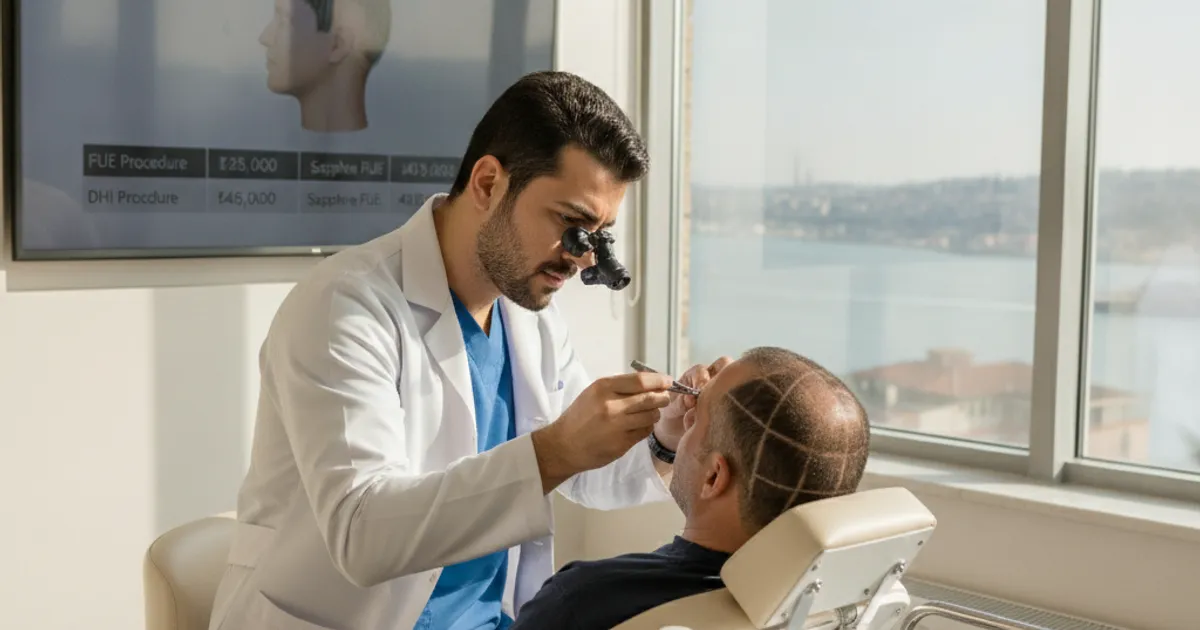
What Is Alopecia Treatment Medicine and How Does It Work?
Alopecia treatment medicine refers to prescription and over-the-counter drugs used to slow down or reverse hair loss. The two most common types are minoxidil (a topical solution or foam) and finasteride (an oral tablet). Both are FDA-approved for androgenetic alopecia, also known as male or female pattern hair loss. Other medicines like dutasteride, spironolactone, and low-dose oral minoxidil are sometimes prescribed off-label. These treatments work in different ways but share a goal: keeping hair follicles in the growth phase longer and reducing the effects of hormones that shrink follicles.
- Minoxidil: Widens blood vessels and extends the growth phase of hair follicles. It is applied directly to the scalp.
- Finasteride: Blocks the enzyme that converts testosterone into DHT, a hormone that miniaturizes hair follicles in genetically prone men.
- Dutasteride: Similar to finasteride but blocks more of the enzyme. Not FDA-approved for hair loss but prescribed off-label.
- Spironolactone: An anti-androgen sometimes used for female pattern hair loss. It reduces testosterone effects on hair follicles.
- Low-dose oral minoxidil: A pill form of minoxidil that is gaining popularity for patients who find topical application inconvenient.
The Evidence: Do These Medications Actually Grow Hair?
Yes, but with caveats. Minoxidil and finasteride have been studied for decades and consistently show they can slow hair loss and regrow some hair in many people. However, they work best for early-stage hair loss and require continuous use. Once you stop, any benefits fade within months. Response rates vary: some people see noticeable regrowth, others only maintain what they have, and a small percentage see no improvement. Clinical trials typically report that a majority of users experience some benefit, but individual results depend on genetics, how long you have had hair loss, and how consistently you use the treatment.
How to Use Alopecia Treatment Medicine: Dosage and Frequency
Dosage depends on the specific medicine and your doctor's instructions. Here is a general overview of common regimens. Always follow your prescriber's guidance, as they may adjust based on your health history and response.
| Medication | Typical Dosage | Frequency | Form |
|---|---|---|---|
| Minoxidil (topical) | 1 mL of solution or half a cap of foam | Twice daily for solution; once daily for foam | Liquid or foam applied to scalp |
| Finasteride | 1 mg | Once daily | Oral tablet |
| Dutasteride | 0.5 mg | Once daily | Oral capsule |
| Spironolactone | 50–200 mg | Once or twice daily | Oral tablet |
| Low-dose oral minoxidil | 0.25–5 mg | Once daily | Oral tablet |
Expected Results and Timeline: What to Expect Month by Month
Hair growth is slow. You will not see changes overnight. Most people need to use the medication for at least three to six months before noticing any difference. The timeline below reflects typical experiences, but yours may be faster or slower.
- First 1–2 months: Shedding may increase temporarily as old hairs fall out to make way for new growth. This is normal and not a sign the treatment is failing.
- Months 3–4: Early signs of regrowth may appear as fine, fuzzy hairs. Hair loss may start to slow.
- Months 6–9: Noticeable improvement in hair density and thickness for many users. This is when most people can judge if the treatment is working.
- Months 12–18: Full benefits are usually visible. Hair count and coverage tend to peak around the one-year mark.
- Beyond 18 months: Continued use maintains results. If you stop, gains are lost within 6–12 months.
Side Effects and Risks: What You Need to Know
Most people tolerate these medications well, but side effects can happen. Some are mild and go away; others may require stopping the drug. It is important to weigh the risks with your doctor, especially if you have other health conditions or are pregnant or planning to become pregnant.
| Medication | Common Side Effects | Serious Risks (rare) |
|---|---|---|
| Minoxidil (topical) | Scalp irritation, itching, dryness, unwanted facial hair growth | Allergic reaction, severe dizziness |
| Finasteride | Decreased libido, erectile dysfunction, breast tenderness | Persistent sexual dysfunction, depression, prostate cancer risk (high-grade) |
| Dutasteride | Similar to finasteride | Similar to finasteride |
| Spironolactone | Breast tenderness, irregular periods, dizziness, increased urination | High potassium levels, kidney issues |
| Low-dose oral minoxidil | Unwanted hair growth, dizziness, fluid retention | Heart problems, severe low blood pressure |
Who Is a Suitable Candidate for Alopecia Treatment Medicine?
These medications work best for people with early to moderate hair loss. They are not effective for hair loss caused by scarring alopecia, chemotherapy, or nutritional deficiencies unless those underlying issues are addressed. A doctor can help determine if you are a good candidate.
- Men with male pattern hair loss (androgenetic alopecia) in the early to moderate stages.
- Women with female pattern hair loss, though finasteride is usually avoided and spironolactone or minoxidil may be preferred.
- People who are willing to use the treatment consistently for at least a year.
- Those who understand that results are not guaranteed and may be subtle.
- Individuals without contraindications such as liver disease, prostate cancer, or pregnancy.
Cost of Alopecia Treatment Medicine
Costs vary widely depending on the medication, your location, and whether you have insurance. Generic versions are much cheaper than brand names. Check with your pharmacy for exact prices.
How Alopecia Treatment Medicine Compares to Other Options
Medication is just one approach. Other options include hair transplant surgery, low-level laser therapy, platelet-rich plasma (PRP) injections, and hair fibers or wigs. Each has pros and cons. The table below gives a quick comparison.
| Option | How It Works | Pros | Cons |
|---|---|---|---|
| Medication (minoxidil, finasteride) | Slows hair loss, may regrow hair | Non-invasive, relatively affordable, can be used long-term | Requires daily use, results take months, side effects possible |
| Hair transplant surgery | Moves hair follicles from donor area to thinning areas | Permanent results, natural-looking | Expensive, invasive, risks include infection and scarring |
| Low-level laser therapy | Stimulates follicles with light energy | Non-invasive, no side effects for most | Mixed evidence, requires frequent sessions, costly |
| PRP injections | Injects platelet-rich plasma into scalp to stimulate growth | Uses your own blood, minimal downtime | Painful, expensive, results vary |
| Hair fibers/wigs | Cosmetic cover-up | Instant results, no side effects | Temporary, can be costly over time, may not suit active lifestyles |
Frequently Asked Questions
Can I use minoxidil and finasteride together?
Yes, many doctors prescribe both. They work in different ways and can be more effective together than either alone. However, using both increases the chance of side effects, so it should be done under medical supervision.
How long do I need to use alopecia treatment medicine?
For as long as you want to maintain the results. If you stop, hair loss will return to its previous pattern within 6 to 12 months. These are not one-time treatments.
Are these medications safe for women?
Minoxidil is approved for women. Finasteride and dutasteride are not recommended for women of childbearing age due to birth defect risks. Spironolactone is sometimes used off-label for women. Always consult a doctor.
What if I miss a dose?
If you miss a dose, take it as soon as you remember. If it is almost time for your next dose, skip the missed one. Do not double up. Consistency matters more than perfection.
Combination Therapy: When One Medicine Isn't Enough
Many dermatologists recommend using more than one alopecia treatment at the same time, because the medications work through different mechanisms. Minoxidil extends the growth phase and improves blood flow to the follicle, while finasteride or dutasteride lowers DHT levels. Together, they can address hair loss from two angles. Clinical experience suggests that combination therapy often produces better results than either drug alone, especially for men with moderate pattern hair loss. For women, combining topical minoxidil with spironolactone or low-dose oral minoxidil is common. However, more medicines mean more potential side effects and higher costs, so combination therapy should be guided by a doctor who can monitor your response and adjust as needed.
Practical Tips for Getting the Most from Your Treatment
Consistency is the single most important factor in whether these medications work. Missing doses or applying minoxidil irregularly can reduce effectiveness. Here are some practical strategies to help you stay on track and avoid common pitfalls.
- Set a daily reminder on your phone or pair the treatment with an existing habit, like brushing your teeth.
- For topical minoxidil, apply to a dry scalp and wash your hands afterward. Avoid applying right before bed if you use a foam that can transfer to pillows.
- Keep the medication visible—store it next to your toothbrush or on your nightstand—so you don't forget.
- If you experience scalp irritation from topical minoxidil, ask your doctor about switching from the liquid to the foam version, which contains less propylene glycol.
- Refill your prescription before you run out; gaps in treatment can cause shedding.
- Take photos of your scalp under the same lighting and angle every few months to track progress objectively.
Common Concerns and Misconceptions
Patients often have questions about safety, long-term use, and what happens if they stop. Here are answers to some frequent concerns.
Can I use these medications if I'm trying to conceive or pregnant?
Finasteride and dutasteride are absolutely contraindicated in pregnancy and should not be used by women who may become pregnant. Minoxidil is generally not recommended during pregnancy or breastfeeding without medical advice. Always consult your doctor before starting or continuing any hair loss medication if you are pregnant, planning pregnancy, or breastfeeding.
Do these medications affect fertility?
Finasteride and dutasteride can affect semen quality in some men, but these effects are generally reversible after stopping the drug. They are not considered permanent contraceptives. If you have concerns about fertility, discuss them with your doctor.
Will I need to use these medications forever?
Yes, to maintain benefits, you need to continue using them. Hair loss is a chronic condition, and stopping treatment typically leads to loss of gained hair and resumption of the original balding pattern within months. Some people choose to transition to other treatments, like hair transplant surgery, after stabilizing their loss.
Are generic versions as effective as brand names?
Yes, generic medications contain the same active ingredients and are regulated to the same standards as brand-name drugs. They are often much less expensive. However, the delivery method (e.g., foam vs. liquid) can affect how well you tolerate the product, so discuss options with your pharmacist.
Can I use minoxidil on my beard or eyebrows?
Topical minoxidil is sometimes used off-label to promote facial hair growth, but it is not FDA-approved for this purpose. It can cause irritation and unwanted hair growth elsewhere. Consult a doctor before using it on areas other than the scalp.
More Guides
- Alopecia Hair Treatment: Options for Every Type
Explore alopecia hair treatment options, from minoxidil to transplants. Learn about types, evidence, usage, results, side effects, and suitability.
- Alopecia Shampoo Treatment: What to Look For and What Works
A practical guide to alopecia shampoo treatment: how it works, evidence, key ingredients, usage, results timeline, side effects, cost, and alternatives.
- FDA-Approved Treatments for Alopecia: Your Options
Explore FDA-approved treatments for alopecia: how they work, evidence, usage, results, side effects, cost, and how they compare to alternatives.
- Dermaroller for Hair Loss: Session Guide and Results
A practical guide to dermaroller treatment for hair loss: how it works, session frequency, expected results timeline, side effects, cost, and who it suits.