
Can You Reverse a Receding Hairline? What Actually Works
Can you reverse a receding hairline? We break down what actually works, from minoxidil and finasteride to transplants, with timelines, costs and side effects.
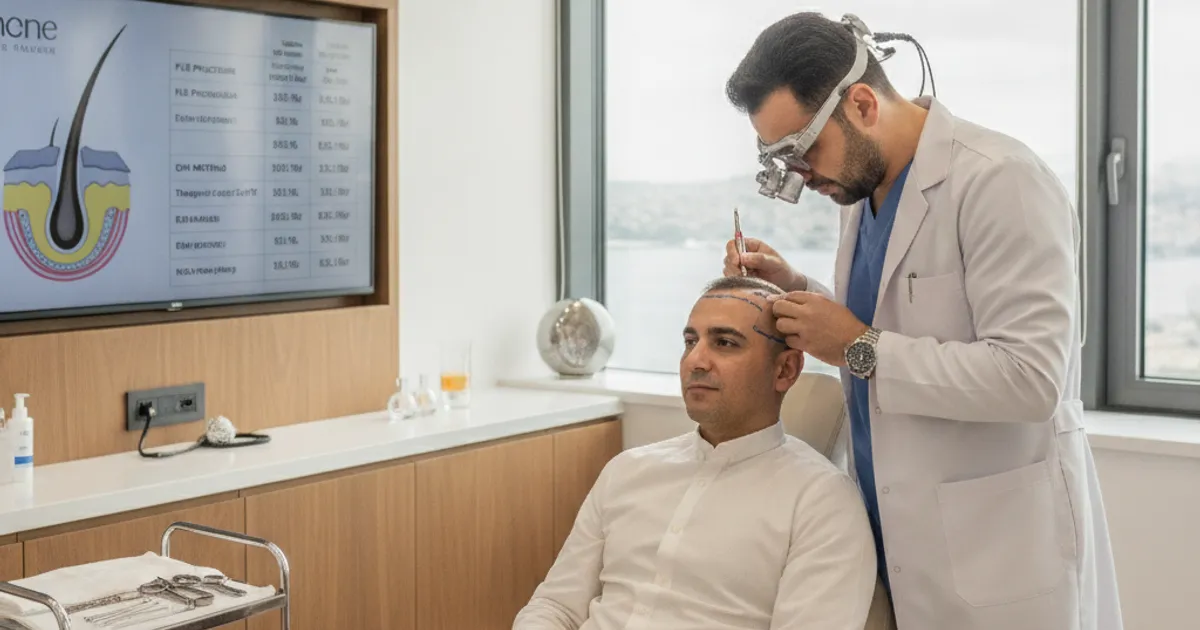
What Is a Receding Hairline and Can It Be Reversed?
A receding hairline is the gradual thinning and pulling back of hair along the front of the scalp, usually at the temples first. It is the earliest visible sign of male pattern baldness (androgenetic alopecia) for most men, though some women experience a similar frontal thinning. The cause is genetic sensitivity to dihydrotestosterone (DHT), a hormone that shrinks hair follicles over time until they stop producing visible hair. The short answer to whether it can be reversed: partially, yes, but with caveats. You can slow it down, thicken existing hair, and in some cases regrow hair on thinning areas. What you cannot do is bring back a follicle that has completely died and scarred over. That is why timing matters so much. The earlier you start treatment, the more hair you have to work with.
How Do Hair Loss Treatments Work?
Hair loss treatments fall into three broad categories, and they work in different ways. Some block the hormone that causes follicle shrinkage. Some extend the growth phase of the hair cycle. Others physically relocate healthy follicles from the back of the scalp to the front. The most effective approach is usually a combination, because each method tackles a different part of the problem.
- DHT blockers (finasteride, dutasteride): reduce the conversion of testosterone into DHT, slowing or stopping further hair loss. Finasteride is oral; dutasteride is stronger but less commonly prescribed for hair.
- Vasodilators (minoxidil): widen blood vessels and increase blood flow to the follicle, pushing hair into the growth phase. Available as a topical liquid or foam, and as an oral tablet in low doses.
- Topical anti-androgens (ketoconazole shampoo, topical finasteride): weaker than oral options but useful for people who want to avoid systemic side effects.
- Hair transplants (FUE, FUT, DHI): surgically move DHT-resistant follicles from the donor area (usually the back of the head) to the thinning front. This is the only way to restore hair where follicles are already dead.
- Low-level laser therapy (LLLT): devices like caps and combs emit red light that may stimulate follicle activity. Evidence is mixed but some people see modest improvement.
- Platelet-rich plasma (PRP): injections of your own concentrated platelets into the scalp. Thought to stimulate growth factors. Often used alongside transplants.
What Does the Evidence Say About Hair Regrowth?
Not all treatments are equal. Some have decades of clinical trials behind them, others are promising but unproven. Here is a plain summary of what the research actually supports.
| Treatment | Evidence for regrowth | Best for |
|---|---|---|
| Finasteride (oral) | Strong. Multiple large trials show reduced hair loss and modest regrowth in most men. | Slowing loss and thickening existing hair |
| Minoxidil (topical) | Strong. Proven to increase hair count and slow loss, especially at the crown. | Early thinning and crown loss |
| Minoxidil (oral low-dose) | Moderate. Growing off-label evidence, but less long-term data. | People who dislike topical application |
| Hair transplant | Very strong. Hair grows permanently in the transplanted area. | Restoring a receded hairline |
| LLLT | Mixed. Some studies show benefit, others show none. Effect is small. | Mild thinning, as an add-on |
| PRP | Moderate. Some trials show increased density, but protocols vary widely. | Adjunct to transplant or medication |
| Ketoconazole shampoo | Weak to moderate. May help as a supporting treatment. | Scalp health and mild DHT blocking |
How to Use Treatments: Dosage and Frequency
Getting the dosage and routine right matters as much as choosing the treatment. Here is how the main options are typically used. Always follow the instructions from your doctor or pharmacist, and do not adjust doses on your own.
- Finasteride: 1 mg tablet once daily. Takes 3–6 months to show effect. Must be taken consistently.
- Topical minoxidil: 5% strength for men, 2% for women. Apply 1 ml or half a capful to the scalp twice daily. Let it dry before styling.
- Oral minoxidil (low-dose): typically 0.25–2.5 mg daily, prescribed off-label. Requires monitoring.
- Ketoconazole shampoo: 2% strength, used 2–3 times per week. Leave on scalp for 3–5 minutes before rinsing.
- LLLT devices: most caps are used for 15–30 minutes, 3–4 times per week. Consistency is key.
- PRP: usually 3–4 sessions spaced 4–6 weeks apart, then maintenance every 6–12 months.
- Hair transplant: a one-off procedure. Recovery takes about 10–14 days for scabs to heal, with full results at 12–18 months.
Expected Results and Timeline
Nobody regrows a full head of hair overnight. Most treatments follow a predictable timeline, and it helps to know what to expect so you do not give up too early.
Side Effects and Risks
Every treatment has potential side effects. Most are mild and reversible, but some are more serious. Here is what to watch for.
- Finasteride: reduced libido, erectile dysfunction, and decreased ejaculate volume in a small percentage of users. These usually resolve after stopping, but a minority report persistent symptoms. Also not for women of childbearing age.
- Minoxidil (topical): scalp irritation, dryness, itching, and unwanted facial hair if it drips. Rarely, dizziness or rapid heartbeat.
- Minoxidil (oral): fluid retention, dizziness, rapid heartbeat, and unwanted hair growth on the face and body. Requires medical supervision.
- Hair transplant: swelling, redness, scabbing, numbness, and risk of infection. Poor growth or unnatural hairline if done by an inexperienced surgeon.
- LLLT: generally very safe. Some users report mild scalp irritation or headache.
- PRP: injection site pain, bruising, swelling, and small risk of infection.
Who Is Suitable for Hairline Reversal?
Not everyone is a good candidate for every treatment. Suitability depends on how far the hair loss has progressed, your age, your health, and your expectations.
- Medication (finasteride, minoxidil): best for men and women with early to moderate thinning and a still-visible hairline. Not suitable for pregnant or breastfeeding women.
- Hair transplant: best for people with stable hair loss and a healthy donor area. Not recommended for those with diffuse unpatterned hair loss or active scalp infections.
- LLLT: suitable for mild thinning and as an add-on. Not a standalone solution for advanced loss.
- PRP: suitable for most people, but results vary. Often used alongside other treatments.
- Lifestyle changes: stress reduction, better diet, and treating underlying conditions like thyroid issues can help, but they will not reverse genetic hair loss on their own.
Cost of Hair Loss Treatments
Costs vary widely depending on where you live, the clinic you choose, and the stage of your hair loss. The figures below are average case pricing for hair transplant procedures, presented by stage. They are medians from our directory data and are meant as a general guide, not a quote.
Medication costs are much lower. Finasteride is typically a few dollars to a few tens of dollars per month, depending on the pharmacy and country. Minoxidil is similar. LLLT devices range from around $200 to $800. PRP sessions usually cost a few hundred dollars each. These are general ranges; check with local providers for exact pricing.
How Treatments Compare to Alternatives
If you are weighing up your options, here is a side-by-side look at the most common approaches. Remember that combining treatments often works better than any single one.
| Approach | Effectiveness | Cost | Commitment | Best for |
|---|---|---|---|---|
| Medication (finasteride + minoxidil) | Good for slowing loss and modest regrowth | Low monthly cost | Daily, long-term | Early to moderate thinning |
| Hair transplant | Excellent for restoring hairline | High one-off cost | One procedure, then maintenance | Receded hairline with stable loss |
| LLLT | Mild, variable | Moderate device cost | Several times per week | Mild thinning, add-on |
| PRP | Moderate, variable | Moderate per session | Regular sessions | Adjunct to other treatments |
| Lifestyle changes | Weak for genetic loss | Low | Ongoing | Overall scalp health |
Frequently Asked Questions
Can a receding hairline grow back naturally?
Only in rare cases where the cause is temporary, such as stress, nutritional deficiency, or medication. For genetic hair loss, natural regrowth without treatment is not typical. The hairline may stabilise for a while, but it rarely fills in on its own.
How long does it take to see results from hair loss treatments?
Most people see early changes in 3–6 months. Noticeable improvement usually takes 6–12 months. Hair transplants take 12–18 months for full results. Consistency is essential.
Is it better to start with medication or a hair transplant?
For most people with early to moderate loss, starting with medication makes sense. It can slow loss and may improve density. A transplant is usually considered when the hairline has receded significantly and medication alone is not enough. Many people do both.
Do hair loss treatments work for women?
Some do. Minoxidil is approved for women. Finasteride is generally not recommended for women of childbearing age. Women should see a dermatologist to rule out other causes like hormonal imbalances or thyroid issues.
More Guides
- Alopecia Hair Treatment: Options for Every Type
Explore alopecia hair treatment options, from minoxidil to transplants. Learn about types, evidence, usage, results, side effects, and suitability.
- Alopecia Shampoo Treatment: What to Look For and What Works
A practical guide to alopecia shampoo treatment: how it works, evidence, key ingredients, usage, results timeline, side effects, cost, and alternatives.
- FDA-Approved Treatments for Alopecia: Your Options
Explore FDA-approved treatments for alopecia: how they work, evidence, usage, results, side effects, cost, and how they compare to alternatives.
- Dermaroller for Hair Loss: Session Guide and Results
A practical guide to dermaroller treatment for hair loss: how it works, session frequency, expected results timeline, side effects, cost, and who it suits.