
Do Hair Loss Shampoos Work? Ingredients Explained
Do hair loss shampoos work? We break down active ingredients, evidence, realistic results, side effects, and how they compare to other treatments.
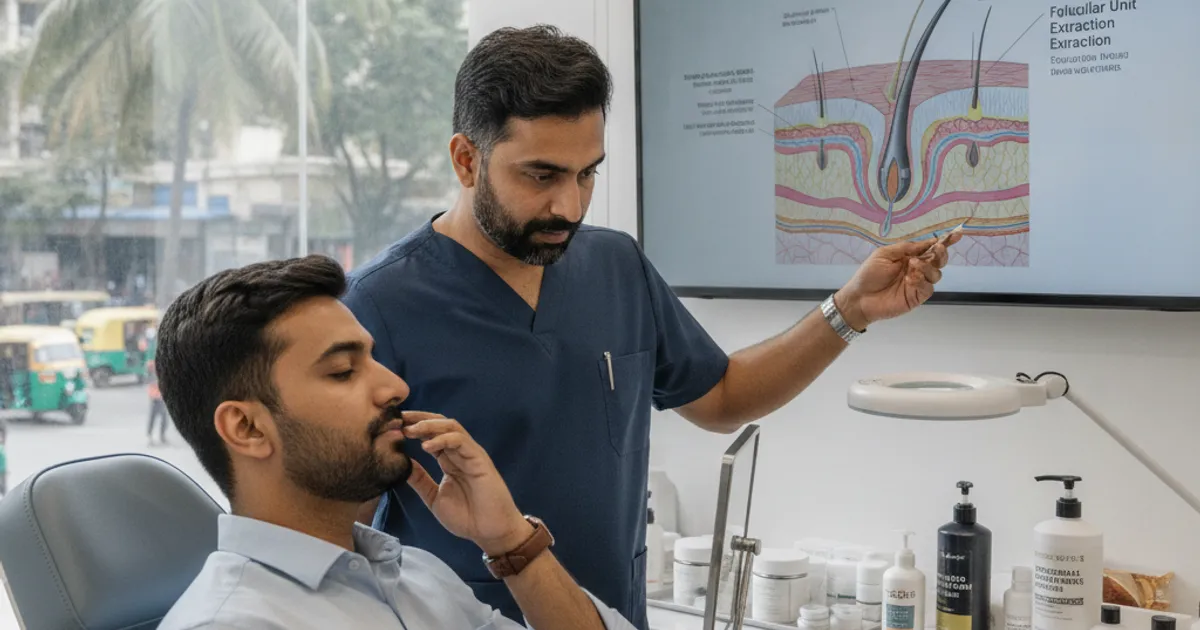
What Are Hair Loss Shampoos and How Do They Work?
Hair loss shampoos are a massive category, and the marketing around them is loud. But do they actually do anything? The short answer: some do, but mostly as support players, not miracle cures. A hair loss shampoo is simply a cleanser with added active ingredients that may help reduce shedding, improve scalp health, or mildly interfere with the hormones and inflammation linked to pattern hair loss. They sit on your scalp for a few minutes at most, so their penetration and impact are limited compared to pills or topical solutions you leave on all day. That doesn't make them useless. It just means you need to understand what they can and can't do.
- They clean the scalp, removing oil, dead skin, and product buildup that can clog follicles and worsen certain types of shedding.
- Some contain ingredients like ketoconazole or caffeine that have shown mild anti-androgenic or circulation-boosting effects in studies.
- They are not prescription drugs and are not regulated as treatments for hair loss in most countries.
- They work best as part of a broader routine, not as a standalone fix for significant pattern baldness.
Active Ingredients in Hair Loss Shampoos: What the Evidence Says
The ingredient list is where things get interesting. Some actives have decent research behind them, others are mostly hype. Here's a breakdown of the most common ones you'll see on labels, and what the science actually suggests.
| Ingredient | How It Works | Evidence Level | Typical Concentration |
|---|---|---|---|
| Ketoconazole | Antifungal that may reduce scalp inflammation and mildly inhibit DHT production locally. | Moderate — several small studies show reduced shedding and some regrowth, especially in men with seborrheic dermatitis. | Varies by formulation |
| Caffeine | May stimulate hair follicle cells and improve blood flow to the scalp. | Limited — some in vitro and small clinical studies suggest reduced shedding, but large trials are lacking. | Varies by formulation |
| Saw Palmetto | Plant extract that may block 5-alpha-reductase, the enzyme that converts testosterone to DHT. | Weak to moderate — a few small studies show mild improvement, but quality varies. | Varies by formulation |
| Biotin | Vitamin B7 involved in keratin production. Deficiency can cause hair loss, but supplementing when not deficient likely does little. | Weak — no strong evidence that topical biotin improves hair growth in non-deficient people. | Varies by formulation |
| Niacinamide | May improve scalp barrier function and reduce inflammation. | Limited — mostly used for scalp health rather than direct hair regrowth. | Varies by formulation |
| Piroctone Olamine | Antifungal similar to ketoconazole, often used in dandruff shampoos. | Limited — may help with scalp conditions that contribute to shedding. | Varies by formulation |
| Peptides (e.g., copper peptides) | May support follicle health and repair. | Weak — mostly cosmetic, with little robust clinical evidence for hair regrowth. | Varies widely |
How to Use Hair Loss Shampoos: Frequency, Dosage, and Application Tips
Using a hair loss shampoo isn't complicated, but how you use it matters. Most medicated shampoos need contact time with the scalp to let the active ingredients do their thing. If you lather and rinse in 30 seconds, you're mostly wasting the product. Here's the practical routine.
- Frequency: Most medicated shampoos are designed for 2–3 uses per week. Using them daily can dry out your scalp and hair, especially if they contain ketoconazole or salicylic acid.
- Contact time: Leave the shampoo on your scalp for 3–5 minutes before rinsing. This is the single most important step.
- Application: Focus on the scalp, not the hair strands. Massage it in gently with your fingertips — no scratching.
- Alternate products: On non-medicated days, use a gentle, sulfate-free shampoo to avoid irritation.
- Consistency: Results, if any, take months. Skipping weeks here and there won't help.
Expected Results and Timeline: What to Realistically Expect
This is where a lot of people get disappointed. Hair loss shampoos are not a quick fix. Even the best ones work slowly, and the results are usually subtle. You might notice less shedding after a few weeks, but visible changes in thickness or density — if they happen at all — typically take several months. And for many people, the main benefit is simply maintaining what they have rather than growing new hair.
- Weeks 1–4: Possible reduction in shedding, especially if the shampoo treats an underlying scalp condition like dandruff or inflammation.
- Months 2–3: Some users report slightly less hair in the shower drain. Visible regrowth is rare at this stage.
- Months 4–6: If the shampoo is going to help, you might see mild improvement in hair quality or density. Don't expect a full head of hair.
- Beyond 6 months: Results plateau. If you stop using the shampoo, any benefits will likely fade.
Side Effects and Risks of Hair Loss Shampoos
Hair loss shampoos are generally well tolerated, but they're not risk-free. The most common issues are scalp irritation, dryness, and itching, especially with medicated formulas. Some people also find that certain ingredients leave their hair feeling straw-like or greasy. Serious side effects are rare, but it's worth knowing what to watch for.
- Scalp irritation: Redness, burning, or itching, often from ketoconazole, salicylic acid, or fragrances.
- Dryness: Medicated shampoos can strip natural oils, leading to dry, brittle hair.
- Allergic reactions: Rare, but possible with any ingredient. Stop use if you develop a rash or swelling.
- Hormonal effects: Topical ketoconazole is unlikely to cause systemic hormonal changes, but oral forms can. Shampoos are considered safe in this regard.
- Eye irritation: Avoid getting shampoo in your eyes, especially if it contains ketoconazole.
Who Are Hair Loss Shampoos Suitable For?
Hair loss shampoos aren't for everyone, and they're not a one-size-fits-all solution. They tend to work best for people with early-stage hair loss, those with scalp conditions that contribute to shedding, or anyone looking to support other treatments. If you're completely bald in an area, no shampoo will bring those follicles back.
- Good candidates: People with early thinning, dandruff, seborrheic dermatitis, or mild androgenetic alopecia who want to slow shedding.
- Less suitable: Those with advanced baldness, scarring alopecia, or hair loss from medical conditions like thyroid disorders or nutritional deficiencies.
- As an add-on: Shampoos can complement minoxidil, finasteride, or low-level laser therapy, but they shouldn't replace them.
- Not for everyone: If you have a sensitive scalp or allergies to common ingredients, you may need to patch-test first.
Cost of Hair Loss Shampoos: What You Might Pay
Hair loss shampoos range from budget drugstore options to premium salon brands. Prices vary widely depending on the active ingredients and where you buy them. For context, here's what you might expect to pay for a hair transplant at different stages of hair loss. This gives you a sense of the cost gap between shampoos and more permanent solutions.
How Hair Loss Shampoos Compare to Other Treatments
Shampoos are just one option in a crowded field. How do they stack up against the heavy hitters like minoxidil, finasteride, and hair transplants? Here's a side-by-side look at effectiveness, convenience, and cost.
| Treatment | How It Works | Effectiveness | Cost (USD) | Convenience |
|---|---|---|---|---|
| Hair loss shampoo | Cleanses scalp, may reduce shedding and inflammation | Low to moderate for shedding; minimal regrowth | Varies by brand | Easy, part of daily routine |
| Minoxidil (topical) | Vasodilator that prolongs hair growth phase | Moderate to high for regrowth in early stages | Varies by pharmacy | Apply twice daily; can be messy |
| Finasteride (oral) | 5-alpha-reductase inhibitor, reduces DHT | High for slowing loss and some regrowth | Varies by pharmacy | One pill daily; prescription needed |
| Low-level laser therapy | Stimulates follicles with light energy | Low to moderate; evidence mixed | Varies by device | A few minutes, several times a week |
| Hair transplant | Surgical relocation of hair follicles | High for restoring density in bald areas | Varies by stage and clinic | One-time procedure with recovery |
Frequently Asked Questions
Can hair loss shampoos regrow hair on a bald spot?
No. Once a follicle is completely dormant or scarred, no shampoo can bring it back. Shampoos may help slow shedding and improve scalp health, but they won't regrow hair on smooth, bald areas. For that, you'd need treatments like minoxidil, finasteride, or a hair transplant.
How long should I use a hair loss shampoo before giving up?
Give it at least 3–4 months of consistent use. If you see no reduction in shedding or improvement in scalp condition by then, it's probably not doing much for you. Remember, shampoos are not a cure for pattern baldness.
Are hair loss shampoos safe for daily use?
Most are safe, but medicated ones with ketoconazole or salicylic acid can dry out your scalp if used too often. Stick to 2–3 times per week unless your doctor says otherwise. Always follow the instructions on the label.
Do I need a prescription for hair loss shampoo?
Most hair loss shampoos are available over the counter. Ketoconazole 1% is OTC in many countries, while 2% typically requires a prescription. Other ingredients like caffeine and saw palmetto are sold freely in cosmetic products.
More Guides
- Alopecia Hair Treatment: Options for Every Type
Explore alopecia hair treatment options, from minoxidil to transplants. Learn about types, evidence, usage, results, side effects, and suitability.
- Alopecia Shampoo Treatment: What to Look For and What Works
A practical guide to alopecia shampoo treatment: how it works, evidence, key ingredients, usage, results timeline, side effects, cost, and alternatives.
- FDA-Approved Treatments for Alopecia: Your Options
Explore FDA-approved treatments for alopecia: how they work, evidence, usage, results, side effects, cost, and how they compare to alternatives.
- Dermaroller for Hair Loss: Session Guide and Results
A practical guide to dermaroller treatment for hair loss: how it works, session frequency, expected results timeline, side effects, cost, and who it suits.