
Does a Hair Transplant Hurt? What to Expect
Does a hair transplant hurt? Most patients feel pressure, not pain, thanks to local anaesthetic. Learn what each stage feels like and how to manage discomfort.
Does a Hair Transplant Hurt?
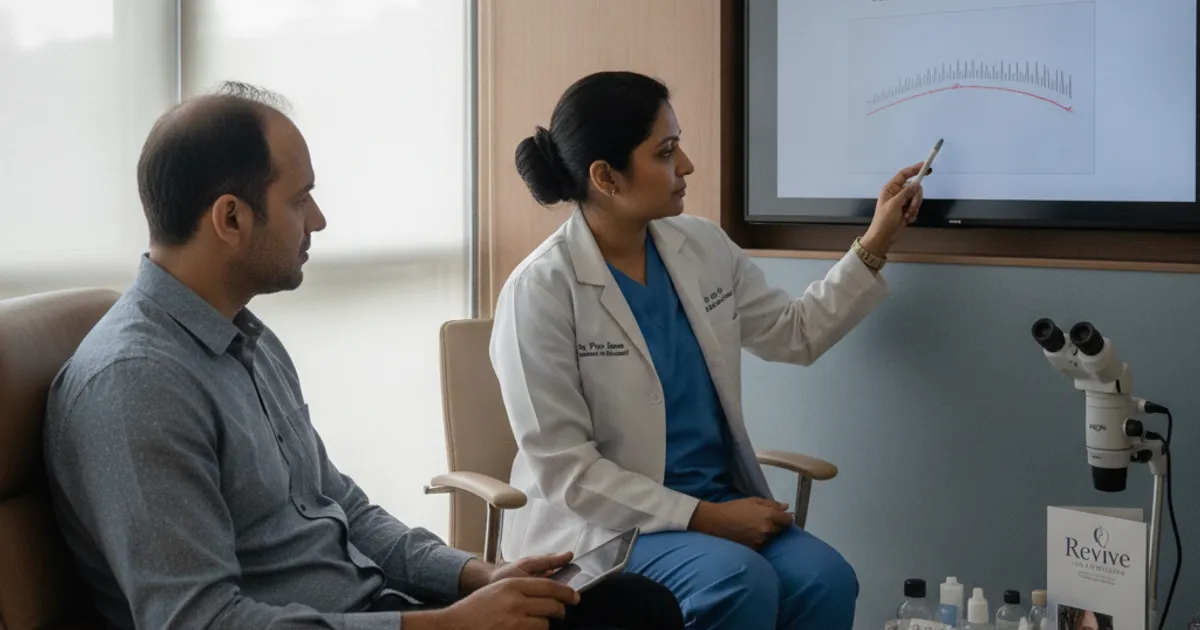
If you're considering a hair transplant, the first question on your mind is probably whether it hurts. It's a fair concern — needles, incisions, and a long procedure sound intimidating. But the reality is that modern hair transplants are performed under local anaesthesia, which means you should feel pressure and movement rather than sharp pain during the surgery itself. Most patients describe the experience as uncomfortable at worst, and many even doze off mid-procedure.
How Painful Is a Hair Transplant, Really?
Pain is subjective, but patient reports consistently place hair transplant discomfort on the lower end of the surgical scale. The procedure itself is not painful once the anaesthetic takes effect. What people remember most is the stinging from the numbing injections and a dull, tight feeling in the donor area for a few days. Anxiety and tension can make discomfort feel worse, so staying relaxed helps.
| Pain Scale (1–10) | What It Feels Like | When It Happens |
|---|---|---|
| 1–2 | Mild pressure, tugging, no sharp pain | During surgery after anaesthetic |
| 3–4 | Dull ache, tightness, soreness | First day or two after surgery |
| 5–6 | Brief stinging or burning | During anaesthetic injections |
| 7–8 | Throbbing or sharp pain | Rare; usually if anaesthetic wears off |
| 9–10 | Severe pain | Extremely rare; not typical for hair transplants |
- The numbing injections are the most uncomfortable part, but they last only seconds.
- After surgery, soreness is usually manageable with over-the-counter pain relief.
- Anxiety and tension can make pain feel worse — relaxing helps.
- If you feel pain mid-procedure, tell your surgeon; they can top up the anaesthetic.
What Does the Pain Feel Like at Each Stage of the Procedure?
Understanding what to expect at each stage can help you prepare mentally. Here's a step-by-step breakdown of what patients typically feel from start to finish.
| Stage | What Happens | What You Feel |
|---|---|---|
| 1. Consultation & marking | Surgeon draws the hairline and donor area | Nothing painful; maybe a cold marker on skin |
| 2. Anaesthetic injections | Numbing solution injected into scalp | Brief stinging or burning, seconds per injection |
| 3. Donor area extraction | Follicles removed from back of scalp | Pressure, vibration, tugging — no sharp pain |
| 4. Recipient site creation | Tiny incisions made in balding area | Pressure and movement, occasionally a scratch |
| 5. Graft implantation | Follicles placed into incisions | Minimal sensation; you may hear a popping sound |
| 6. Immediate post-op | Scalp feels tight and numb | Numbness fading into dull soreness |
Which Hair Transplant Technique Hurts Less: FUE or FUT?
Both FUE (follicular unit extraction) and FUT (follicular unit transplantation) use local anaesthesia, so neither should be painful during surgery. The difference is in recovery. FUE leaves tiny circular puncture wounds that heal quickly and cause less post-op discomfort. FUT involves removing a strip of scalp, which requires stitches and can cause more tightness and soreness in the donor area. Most patients report that FUE is the more comfortable option overall.
FUE (Follicular Unit Extraction)
Consult clinic for pricing
- ✓ No linear scar
- ✓ Less post-op pain and tightness
- ✓ Faster recovery
- ✓ Individual follicle extraction
FUT (Follicular Unit Transplantation)
Consult clinic for pricing
- ✓ Linear scar across donor area
- ✓ More tightness and soreness
- ✓ Longer recovery
- ✓ Strip of scalp removed
How Long Does Pain Last After a Hair Transplant?
Post-operative discomfort is usually mild and short-lived. Most patients feel noticeably better after a few days, and any soreness typically fades as the scalp heals. The donor area tends to be the most sensitive, especially if you had FUT. Here's a typical timeline.
| Time After Surgery | Typical Sensation |
|---|---|
| Day 1 | Numbness, tightness, mild soreness |
| Days 2–3 | Soreness may peak; swelling may appear on forehead |
| Days 4–7 | Soreness fades; itching may start as healing begins |
| Week 2 | Most discomfort gone; scabs fall off |
| Week 3–4 | Occasional tingling or numbness; no real pain |
| Month 2–3 | Sensation returns to normal; no pain |
- Take prescribed or over-the-counter pain relief as directed.
- Sleep with your head elevated for the first few nights to reduce swelling.
- Avoid strenuous exercise until your clinic says it's safe.
- Don't scratch or pick at scabs, even if itchy.
- Cold compresses can help with swelling (not directly on grafts).
What Pain Relief Options Are Available During and After Surgery?
Your clinic will typically provide everything you need to stay comfortable. During surgery, the anaesthetic does the heavy lifting. Afterwards, you'll usually be sent home with a care package. Here's what's commonly available.
- Local anaesthetic (lidocaine with epinephrine) — numbs the scalp during surgery.
- Oral painkillers — ibuprofen or paracetamol for mild soreness.
- Prescription pain relief — stronger options if needed, though rarely required.
- Antibiotics — sometimes prescribed to prevent infection.
- Anti-inflammatory medication — to reduce swelling.
- Cold compresses — for forehead swelling, not directly on grafts.
- Medicated shampoo — to keep the scalp clean and reduce irritation.
Can You Avoid Pain Entirely During a Hair Transplant?
You can't avoid the initial sting of the anaesthetic injections, but you can minimise everything else. Many clinics offer pain-reduction techniques that make the experience far more comfortable. If you're nervous, speak up — good clinics are used to anxious patients and will adjust their approach.
- Ask about numbing cream before injections to dull the sting.
- Request a break if you feel uncomfortable at any point.
- Choose a surgeon experienced in gentle injection techniques.
- Consider sedation options if you're highly anxious (some clinics offer this).
- Bring headphones or something to distract you during the procedure.
- Stay relaxed — tension makes pain worse.
How Do You Choose a Clinic That Minimises Discomfort?
Not all clinics are equal when it comes to patient comfort. A skilled surgeon with modern techniques will make the experience far more tolerable. When researching clinics, look for ones that prioritise pain management and have strong patient reviews about comfort. Clinic Reccy lists verified clinics with detailed profiles, so you can compare options in your area.
- Check if the clinic offers pain management options like numbing cream or sedation.
- Read patient reviews specifically mentioning comfort and pain levels.
- Ask about the surgeon's experience and technique.
- Confirm that the clinic uses modern anaesthetic delivery methods.
- Look for clinics that offer a comfortable, relaxed environment.
- Ask about post-op pain relief and follow-up care.
Frequently Asked Questions About Hair Transplant Pain
Is a hair transplant painful?
No, the procedure itself is not painful because local anaesthetic numbs the scalp. You may feel pressure and movement, but not sharp pain. The most uncomfortable part is usually the initial anaesthetic injections, which sting briefly.
How long does pain last after a hair transplant?
Most patients experience mild soreness for a few days, with discomfort easing as the scalp heals. Any noticeable pain is usually gone within a week or two.
Can I drive home after a hair transplant?
It depends on whether you had sedation. If you only had local anaesthetic, you may be able to drive, but many clinics recommend arranging a ride home, especially if you feel groggy or uncomfortable.
What can I take for pain after a hair transplant?
Your clinic will usually recommend over-the-counter pain relief like paracetamol or ibuprofen. Avoid aspirin unless your doctor approves it, as it can increase bleeding. Always follow your clinic's aftercare instructions.
More Guides
- Hair Transplant and Blood Thinners: Safety and Timing
Can you have a hair transplant on blood thinners? Learn why they matter, which ones raise bleeding risk, how long to stop before surgery, and when to restart.
- Finasteride and PSA Testing: What You Need to Know
Finasteride lowers PSA levels, so your test results need careful interpretation. Learn how finasteride affects PSA, the adjustment factor, and what to tell your
- Can You Cure a Receding Hairline? What's Realistic
Can you cure a receding hairline? Learn what's realistic with medications, transplants, and lifestyle changes, plus expected results and costs.
- Minoxidil Hair Thinning Before Growth: Is It Normal?
Is minoxidil hair thinning before growth normal? Yes, it's a common sign the treatment is working. Learn why it happens, how long it lasts, and when to worry.