
Exosomes vs PRP for Hair Loss: Which Is Worth It?
Exosomes vs PRP for hair loss compared: costs, results, recovery, and who each treatment suits. Find out which is worth it for your stage of hair loss.
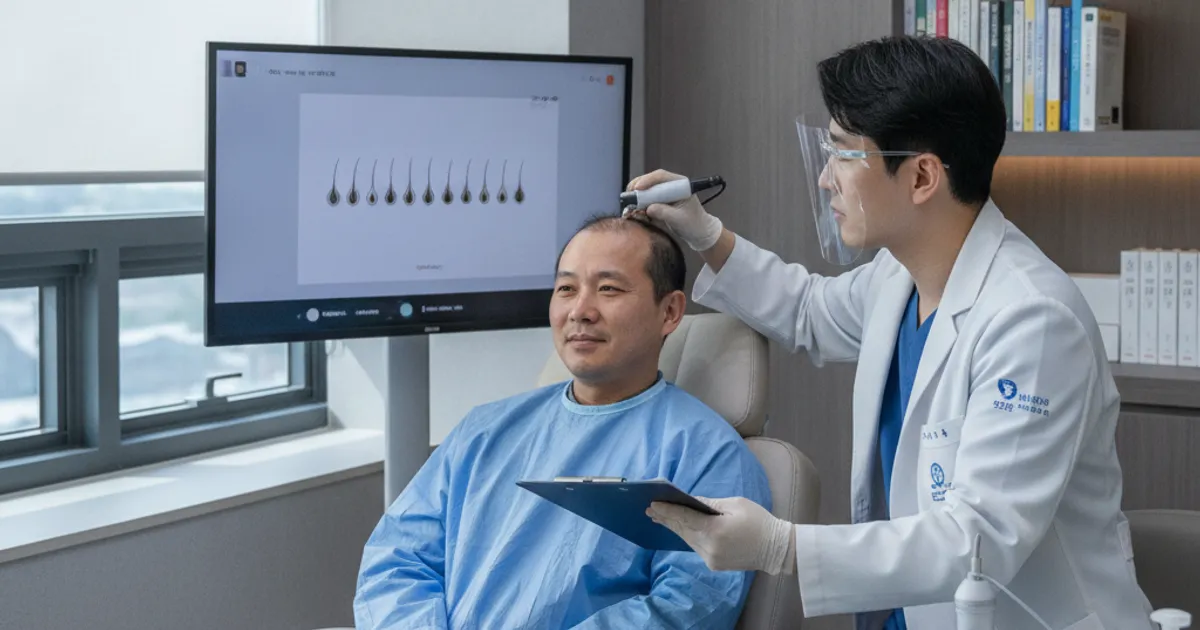
If you're weighing up exosomes vs PRP for hair loss, the short answer is this: PRP is the more established, better-studied option with predictable costs, while exosomes are newer, pricier, and show promising early results but lack long-term data. For most people, PRP is the safer first step — but exosomes may be worth it if you've already tried PRP without success and want to explore next-generation regenerative therapy.
PRP wins on evidence, cost, and availability. Exosomes win on potential efficacy in early studies — but they're not yet a proven upgrade for everyone. Choose PRP first unless you have a specific reason to go straight to exosomes.
What Are Exosomes and PRP?
Both treatments fall under regenerative hair loss therapy, but they work differently. PRP (platelet-rich plasma) uses your own blood, spun down to concentrate growth factors, then injected into the scalp. Exosomes are tiny vesicles derived from stem cells (often donated, not your own) that carry signalling molecules to stimulate hair follicle activity. Neither is a hair transplant — they're adjunct treatments aimed at thickening existing hair and slowing loss.
Key Differences: Exosomes vs PRP
The main differences come down to source material, evidence base, cost, and how many sessions you'll need. PRP uses your own blood and has a long history of clinical use; exosomes use donor-derived products and have shorter track records. PRP is widely available at hair clinics; exosomes are offered at a smaller subset of regenerative-focused practices.
| Factor | PRP | Exosomes |
|---|---|---|
| Source | Your own blood | Donor stem cell-derived vesicles |
| Evidence base | Extensive clinical studies | Early-stage studies, limited long-term data |
| Typical sessions | Multiple sessions, then maintenance | Multiple sessions, maintenance varies |
| Cost per session (USD) | Low to mid range | Mid to high range |
| Pain | Mild (injections, numbing cream) | Mild (similar injection protocol) |
| Recovery | Mild tenderness, no downtime | Mild tenderness, no downtime |
| Availability | Widely offered | Limited to specialised clinics |
| Best for | Early to moderate thinning, post-transplant support | PRP non-responders, early thinning, post-transplant |
Cost: Exosomes vs PRP
Pricing varies by clinic and location, but PRP is consistently cheaper per session. Exosomes command a premium because the product is lab-derived and less widely available. Neither is usually covered by insurance since it's considered cosmetic. Below are general ranges — always confirm with the clinic, as package deals and maintenance plans change the effective cost.
Results and Recovery: What to Expect
Recovery is similar for both: mild scalp tenderness for a day or two, no downtime, and a return to normal activity immediately. Results timelines differ slightly. PRP typically shows visible improvement in hair density and shedding after a few sessions, with full effect over several months. Exosomes may show earlier signalling effects in some studies, but real-world data is thinner — most clinics report noticeable changes after a few months, with maintenance needed to sustain results.
Which One Is Right for You?
There's no single right answer — it depends on your stage of hair loss, budget, and how you respond to treatment. PRP is the sensible first-line regenerative option for most people because it's cheaper, better studied, and widely available. Exosomes make more sense if you've already tried PRP without results, have early thinning and want to try a newer approach, or are having a hair transplant and your surgeon recommends it as an add-on.
Frequently Asked Questions
Is exosome therapy better than PRP for hair loss?
Not necessarily. Early studies suggest exosomes may stimulate follicles more potently, but there's no long-term evidence yet. PRP has a much stronger safety and efficacy record. For most people, PRP is the better first choice; exosomes are a reasonable option if PRP hasn't worked.
How much do PRP and exosome treatments cost?
Costs vary widely by clinic and location. PRP is generally less expensive per session than exosomes, which command a premium due to their lab-derived nature and limited availability. For specific pricing, consult with a clinic directly.
Are exosomes safe?
Short-term studies show a good safety profile, but long-term data is limited. Because exosome products are less regulated than PRP (which uses your own blood), choose a reputable clinic with clear sourcing and clinical oversight.
Can I combine PRP or exosomes with a hair transplant?
Yes. Both are commonly used as adjuncts to support graft survival and healing. PRP is more widely offered for this purpose; exosomes are used at some clinics, but protocols vary. Discuss with your surgeon.
How Each Treatment Is Actually Administered
Understanding the practical steps helps set realistic expectations, because the experience of getting PRP and getting exosomes differs more than the marketing suggests. Both are performed in a clinic as outpatient procedures, but the preparation and product handling are not the same.
With PRP, a nurse or clinician draws a small amount of your blood, usually from your arm, then runs it through a centrifuge to separate and concentrate the platelets and growth factors. That concentrated plasma is then injected across the thinning areas of the scalp using a fine needle, often with a numbing agent or cold pack to reduce discomfort. The whole appointment typically takes under an hour, and because the product comes from your own body, there is no waiting on a lab or shipment.
Exosomes arrive as a prepared, lab-derived product that the clinic stores and reconstitutes according to the manufacturer's instructions. There is no blood draw. The clinician may deliver them by injection, microneedling, or a combination, depending on the protocol the clinic follows. Because exosomes are a regulated biological product, availability can depend on what the clinic is licensed and supplied to use, which is one reason fewer practices offer them.
- PRP requires a blood draw and on-site processing; exosomes are a ready-made product with no draw.
- Both are walk-in, walk-out procedures with no real downtime, though scalp tenderness is common for a day or two.
- Injection depth, needle technique, and the number of injection points vary by clinic and affect comfort and coverage.
- Ask who performs the procedure — some clinics use technicians for injections under a doctor's supervision, others have the physician do it.
- Confirm whether numbing is included, since it changes the comfort level considerably.
Safety, Sourcing, and Regulation
This is where the two treatments diverge most, and it is the area patients tend to under-research. PRP uses your own blood, so the risk of an allergic or immune reaction is very low. The main risks are the ordinary ones of any injection: bruising, temporary soreness, and a small chance of infection if aftercare is poor. Because the product is autologous, there is no supply chain to worry about.
Exosomes are a donor-derived biological product, which raises different questions. Regulation of exosome products varies widely between countries, and in some markets these products are sold with limited oversight. A clinic should be able to tell you where the product comes from, how it is screened and tested, and whether it is approved for cosmetic use in your jurisdiction. Be cautious of any clinic that cannot answer these questions or that presents exosomes as risk-free.
- Ask for the product's source, screening, and testing documentation before treatment.
- Confirm the clinic's licensing and whether the specific product is permitted for cosmetic scalp use where you live.
- Report any unusual swelling, prolonged pain, or signs of infection promptly.
- Tell the clinician about autoimmune conditions, bleeding disorders, or medications that affect clotting, as these can matter for injectable treatments.
- Be wary of claims that a product is sterile, guaranteed, or universally safe — no injectable is entirely without risk.
Combining With a Transplant, and How to Judge Whether It's Working
Both PRP and exosomes are sometimes used alongside a hair transplant rather than as standalone treatments. Surgeons may offer them to support graft survival or to thicken surrounding native hair, but the evidence for add-on benefit is stronger for PRP than for exosomes. If a surgeon recommends either as part of a transplant package, ask what specific role it plays and whether it is included in the quoted price or billed separately.
Judging whether either treatment is working is harder than it sounds, because hair changes slowly and shedding fluctuates. Rather than relying on how your hair feels in the mirror, track it deliberately. Take photos in consistent lighting from the same angles at set intervals, and note shedding when washing or brushing. A clinic may also offer scalp imaging or hair counts, which give a more objective baseline than memory.
- Photograph your scalp from the same angles in the same lighting every few months.
- Keep a simple log of shedding and any changes in how your hair feels.
- Agree in advance with the clinic what 'working' looks like and when you will reassess.
- Give a fair trial before judging — single sessions rarely tell you much, and results build over months.
- If there is no meaningful change after a reasonable course, discuss stopping rather than adding more sessions indefinitely.
Can I switch from PRP to exosomes, or the other way around?
Yes, many patients try one and later switch. There is no rule against it, but discuss timing with your clinician so you allow enough time to judge the first treatment before layering on another.
How many sessions will I need, and how often?
Protocols vary by clinic and by your stage of loss. Most programs start with a short series of sessions spaced a few weeks apart, then move to less frequent maintenance. Ask for the clinic's specific schedule and total first-year commitment before you commit.
Are these treatments safe alongside medication like minoxidil or finasteride?
They are generally used together, and many patients combine them. Tell your clinician about everything you take so they can advise on timing and any precautions.
Will either treatment work if I have advanced hair loss?
Regenerative treatments tend to work best on thinning hair that is still present rather than on areas that are already bald. For advanced loss, a transplant is often the more appropriate option, sometimes with PRP as support.
What should I do if a clinic pressures me toward the more expensive option?
Get a second opinion. A good clinic will explain the reasoning behind its recommendation and be comfortable with you starting with the more established, lower-cost option first.
More Guides
- Dermatologist vs Hair Transplant Clinic for Receding Hairline
Compare dermatologist vs hair transplant clinic for a receding hairline: costs, results, recovery, and which option suits your stage of hair loss.
- SMP vs Hair Transplant for Alopecia: Which Suits You?
Compare SMP vs hair transplant for alopecia: costs, results, recovery, pain, and suitability. Find out which option fits your stage of hair loss.
- Hair Transplant vs Hair System: Long-Term Cost and Results
Compare hair transplant vs hair system: long-term costs, results, recovery, and suitability to decide which option fits your needs and budget.
- Clascoterone vs Minoxidil: Which Is Better for Hair Loss?
Clascoterone vs minoxidil: compare how they work, costs, results, and side effects to decide which hair loss treatment suits you best.