
SMP vs Hair Transplant for Alopecia: Which Suits You?
Compare SMP vs hair transplant for alopecia: costs, results, recovery, pain, and suitability. Find out which option fits your stage of hair loss.
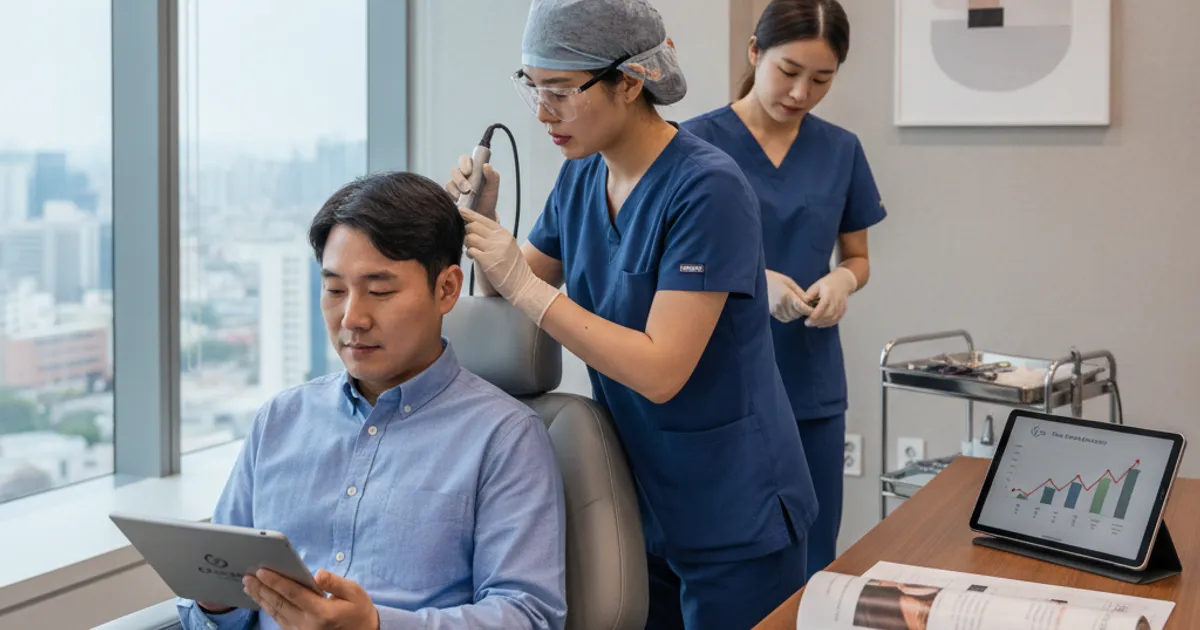
If you're dealing with alopecia and weighing up scalp micropigmentation (SMP) against a hair transplant, the short answer is this: a transplant is the only option that regrows real hair, while SMP is a cosmetic tattoo that creates the look of a shaved head with density. Your stage of hair loss, budget, and how you feel about surgery will decide which one makes more sense.
What Each Treatment Actually Is
They sound like they solve the same problem, but they work in completely different ways. One is a medical procedure that moves hair follicles; the other is a cosmetic tattoo that mimics hair at the surface.
A hair transplant involves surgically extracting hair follicles from a donor area (usually the back and sides of the scalp) and implanting them into thinning or bald areas. The goal is to restore real, growing hair that lasts a lifetime. SMP, on the other hand, uses a specialised tattoo machine to deposit pigment into the upper layer of the skin, creating the illusion of tiny hair follicles. It doesn't grow hair — it simply reduces the contrast between hair and scalp, making thinning areas look fuller and bald patches less noticeable.
Key Differences at a Glance
Here's how the two options stack up across the factors that matter most when you're deciding.
| Factor | SMP | Hair Transplant |
|---|---|---|
| What it does | Cosmetic tattoo that mimics shaved hair follicles | Surgically moves real hair follicles to bald areas |
| Results | Visual density; no hair growth | Real, permanent hair growth |
| Procedure type | Non-surgical, topical numbing | Surgical, local anaesthesia |
| Sessions | Usually multiple sessions (typically 2–4, but varies by clinic and individual) | Single session (sometimes two for large cases) |
| Recovery | Minimal downtime; scalp may be tender for a few days | 1–2 weeks of visible healing; full results take months |
| Pain | Mild discomfort, often described as scratching | Moderate discomfort during recovery; painkillers usually enough |
| Longevity | Fades over time (often 3–5 years, but varies); needs touch-ups | Permanent (transplanted hair lasts a lifetime) |
| Best for | Advanced baldness, shaved-head look, scar camouflage | Early to moderate hair loss with good donor hair |
| Cost | Generally lower upfront | Higher upfront, but one-off procedure |
Cost: What to Expect
SMP is almost always cheaper upfront because it's non-surgical and doesn't involve a medical team. A hair transplant costs more because you're paying for surgery, anaesthesia, and the surgeon's time. But SMP isn't a one-off — touch-ups every few years add up. Hair transplant pricing also varies by the number of grafts you need, which depends on your stage of alopecia. The figures below are illustrative estimates based on general market ranges, not live clinic data. Always get a personalised quote from a qualified provider.
Results and Recovery
This is where the two options diverge most. SMP gives you an immediate visual change but no actual hair. A transplant gives you real hair, but you'll wait months to see the final result.
- SMP: You'll see the effect right after your session, though the pigment looks darker at first and settles over a week or two. Recovery is quick — most people return to work the next day. The look is a closely shaved head with a defined hairline. It won't give you long hair or a full head of hair; it's a density illusion.
- Hair transplant: The transplanted hair sheds in the first few weeks, then regrows slowly. You'll see early growth around 3–4 months, with fuller results at 9–12 months (these timelines are general guides and can vary). Recovery involves scabbing and redness for about 7–10 days. You'll need to avoid strenuous exercise for a couple of weeks and protect the grafts from sun and friction.
- Longevity: SMP fades and needs touch-ups every few years (often 3–5 years, but this varies). Transplanted hair is permanent, though native hair may continue to thin over time.
Pain and Comfort
Neither is painless, but they're different experiences. SMP uses topical numbing cream, and most people describe it as a scratching or vibrating sensation — uncomfortable but tolerable. Some compare it to a tattoo, which is essentially what it is. A hair transplant is done under local anaesthesia, so you won't feel the surgery itself. The discomfort comes afterwards: tightness, soreness, and swelling for a few days. Most people manage with over-the-counter painkillers. If you're needle-averse or want to avoid surgery entirely, SMP is the gentler option.
Suitability: Who Each Option Fits Best
The right choice depends on your type of alopecia, how much donor hair you have, and what look you want. Here's a straightforward breakdown.
- SMP suits you if: you have advanced baldness with limited donor hair; you're happy with a shaved-head look; you want to camouflage scars (from FUT or injury); you have alopecia totalis or areata where transplants aren't predictable; you want a non-surgical option with minimal downtime; or you're not ready for surgery.
- A hair transplant suits you if: you have early to moderate hair loss with healthy donor hair; you want real, growing hair; you're prepared for a surgical procedure and recovery; you're looking for a permanent solution; and you have realistic expectations about density and hairline design.
- Both can be combined: some people have a transplant to restore the hairline and SMP to add density or camouflage donor scars. It's not either/or for everyone.
Which Should You Choose?
There's no universal winner — it comes down to your priorities. Use this decision list to narrow it down.
- If you want real, permanent hair growth and have healthy donor hair, a hair transplant is likely your best bet.
- If you prefer a non-surgical option with minimal downtime and are happy with a shaved-head look, SMP could be the right choice.
- If you have advanced alopecia or limited donor hair, SMP often provides a more realistic visual improvement.
- If you're unsure or want to address both hairline and density, consider combining both treatments (transplant first, then SMP after healing).
- If budget is a primary concern, SMP has a lower upfront cost, but remember to factor in touch-ups over time.
- If you have an autoimmune condition like alopecia areata, SMP is usually more predictable than a transplant.
Frequently Asked Questions
Can SMP be used after a hair transplant?
Yes. SMP is often used to add density to thinning areas or to camouflage donor scars from FUT or FUE. Wait until your transplant has fully healed and results have stabilised — usually 6–12 months, but this can vary — before having SMP.
Does SMP damage hair follicles?
No. SMP deposits pigment into the upper layer of the skin (epidermis), not deep enough to damage hair follicles. It's considered safe when performed by a trained technician. However, it won't stimulate hair growth.
Is a hair transplant suitable for alopecia areata?
Usually not. Alopecia areata is an autoimmune condition, and transplanted hair can also be attacked. Results are unpredictable. SMP is often a better option for camouflage. Always consult a dermatologist first.
How long does SMP last?
SMP typically fades over 3–5 years, depending on your skin type, sun exposure, and aftercare. Most people need a touch-up session every few years to keep the look sharp.
What to Expect During SMP and Hair Transplant Procedures
Understanding the step-by-step process can help you prepare mentally and physically. Here’s a general overview of what each treatment involves.
SMP is typically performed in a clinic or studio. The practitioner will first consult with you to design a hairline and discuss pigment shade. The area is cleaned and numbed with topical cream. Using a fine needle, the practitioner deposits pigment into the scalp’s upper layer, mimicking hair follicles. Sessions usually last a few hours, depending on the area covered. Most people need multiple sessions spaced a week or two apart to build density and allow healing. After each session, you can return to normal activities immediately, though you’ll need to avoid washing the area for a few days and protect it from sun exposure.
A hair transplant is a surgical procedure performed in a clinic under local anaesthesia. The surgeon extracts hair follicles from the donor area (usually the back of the scalp) using either FUT (strip method) or FUE (follicular unit extraction). The extracted grafts are then implanted into the recipient area. The procedure can take several hours to a full day, depending on the number of grafts. After surgery, you’ll have small scabs and redness in both donor and recipient areas. You’ll need to sleep elevated for a few nights and avoid strenuous activities for about two weeks. Most people take a few days off work, but recovery varies.
Risks, Side Effects, and Long-Term Maintenance
Both options have potential risks and require some maintenance, though the nature differs.
SMP risks include infection, allergic reaction to pigment, and uneven fading. Because it’s a tattoo, the pigment can fade over time, especially with sun exposure. Touch-ups are needed every few years to maintain the look. Some people may experience mild swelling or redness immediately after sessions, but these usually subside quickly. Choosing a skilled and hygienic practitioner is crucial to minimize risks.
Hair transplant risks include infection, bleeding, scarring, and poor graft survival. There’s also the possibility of unnatural-looking hairline if not done well. Long-term, transplanted hair is permanent, but native hair may continue to thin, so you might need additional procedures or medical therapy (like minoxidil or finasteride) to maintain overall density. Regular follow-ups with your surgeon are important.
- SMP: touch-ups every 3–5 years; protect from sun; avoid harsh skincare products.
- Hair transplant: lifelong care of transplanted hair; may need medication to prevent further loss; regular check-ups.
Frequently Asked Questions
Can I switch from SMP to a hair transplant later?
Yes, it’s possible, but the pigment may need to be removed or allowed to fade before surgery to avoid complications. Discuss with a surgeon experienced in both treatments.
Does SMP damage hair follicles?
When performed correctly, SMP does not damage hair follicles. However, poor technique or deep pigment placement could cause issues. Choose a reputable provider.
How soon after a hair transplant can I have SMP?
Wait until the scalp is fully healed, typically 6–12 months after surgery, to avoid interfering with graft growth and to assess final density.
Is SMP suitable for all skin types?
SMP can work on most skin types, but pigment may fade differently on oily or sun-damaged skin. A consultation can determine suitability.
Can I exercise after SMP?
Avoid sweating and heavy exercise for a few days after each session to allow pigment to settle. Follow your practitioner’s advice.
More Guides
- Dermatologist vs Hair Transplant Clinic for Receding Hairline
Compare dermatologist vs hair transplant clinic for a receding hairline: costs, results, recovery, and which option suits your stage of hair loss.
- Exosomes vs PRP for Hair Loss: Which Is Worth It?
Exosomes vs PRP for hair loss compared: costs, results, recovery, and who each treatment suits. Find out which is worth it for your stage of hair loss.
- Hair Transplant vs Hair System: Long-Term Cost and Results
Compare hair transplant vs hair system: long-term costs, results, recovery, and suitability to decide which option fits your needs and budget.
- Clascoterone vs Minoxidil: Which Is Better for Hair Loss?
Clascoterone vs minoxidil: compare how they work, costs, results, and side effects to decide which hair loss treatment suits you best.