
Eyebrow Transplant vs Microblading: Which Is Better?
Eyebrow transplant vs microblading compared: cost, recovery, results, pain and who each suits best. Honest breakdown to help you choose the right option.
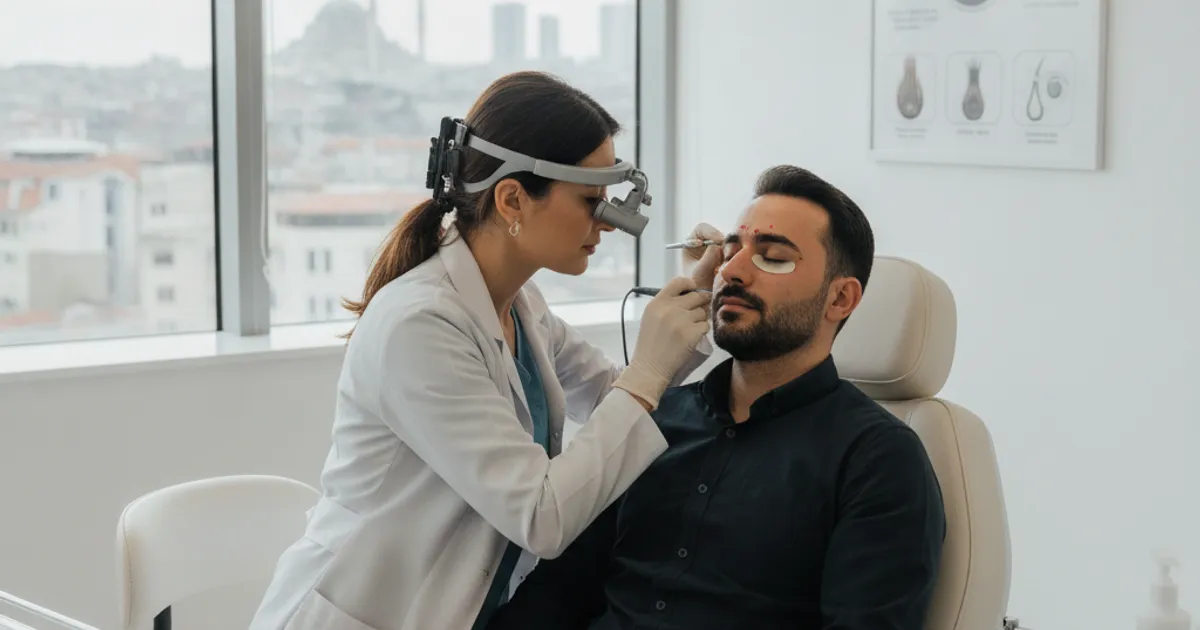
If you want a permanent fix for thin or patchy brows and you're okay with a surgical procedure and a few months of regrowth, an eyebrow transplant is the better long-term choice. If you want a quick, non-surgical cosmetic result that you can top up every year or two, microblading is the more practical option. They solve the same problem in completely different ways, and the right pick depends on your budget, pain tolerance, and how permanent you want the result to be.
What Is an Eyebrow Transplant?
An eyebrow transplant is a surgical hair restoration procedure. A doctor takes healthy hair follicles from the back or side of your scalp — usually via FUE — and implants them one by one into the eyebrow area. Because the transplanted follicles are typically genetically resistant to balding, they often keep growing for life. However, it's not an absolute guarantee: some shedding can occur, and the permanence depends on the individual's hair characteristics and how the grafts take. The catch is that they grow like scalp hair, so you'll need to trim them regularly to keep the shape.
- Permanent result — the transplanted hair usually doesn't fall out, but some shedding is possible
- Performed under local anaesthetic, usually in a single session
- Uses your own donor hair, so immune rejection is not a concern, but poor growth, infection, or scarring are still risks
- Requires trimming every few weeks once the hair grows in
- Full results take several months as the new follicles settle
What Is Microblading?
Microblading is a form of semi-permanent tattooing. A technician uses a hand tool with tiny needles to deposit pigment into the upper layers of the skin, creating fine strokes that mimic individual brow hairs. It's not surgery, there's no downtime to speak of, and you walk out with defined brows the same day. The pigment fades over time, so you'll need touch-ups to keep the look.
- Non-surgical, but it does use needles into the skin (not the scalp) and a topical numbing cream rather than anaesthetic injections
- Results are immediate but fade over time
- Requires touch-up sessions to maintain the look
- Not suitable for very oily skin or people who keloid scar
- Can't create volume — it only adds the illusion of hairs
Key Differences: Eyebrow Transplant vs Microblading
| Factor | Eyebrow Transplant | Microblading |
|---|---|---|
| Type | Surgical hair restoration | Semi-permanent tattooing |
| Permanence | Permanent (with caveats) | Fades over time |
| Session time | Varies by case | Varies by case |
| Pain | Local anaesthetic, mild soreness after | Topical numbing cream, mild discomfort |
| Recovery | Scabbing and redness for several days | Redness for a short period |
| Full results | Several months | Immediate |
| Maintenance | Regular trimming | Touch-ups periodically |
| Best for | Scarring, alopecia, permanent thinning | Sparse but healthy brows, cosmetic enhancement |
Cost: Eyebrow Transplant vs Microblading
Eyebrow transplants cost significantly more upfront because they're a surgical procedure performed by a doctor. Microblading is cheaper per session but you'll pay again every year or two, so the lifetime cost adds up. Exact prices vary by clinic, city and how much work your brows need — always get a personalised quote rather than relying on averages.
Eyebrow transplant pricing is usually quoted per procedure rather than by stage of hair loss. The figures below show typical averaged case pricing for hair restoration procedures at the same clinics, which can give you a rough idea of the range. Early-stage cases need fewer grafts and cost less; advanced cases need more grafts and cost more.
Microblading typically costs a few hundred dollars for the initial session, with touch-ups costing less. Over time, the total can add up, but you still won't have permanent hair.
Results and Recovery: What to Expect
The recovery experience is completely different. A transplant involves scabbing, redness and a period where the transplanted hairs shed before regrowing — you won't see the final result for months. Microblading is a lunchtime procedure with almost no downtime, but the result is cosmetic and temporary.
- Eyebrow transplant: mild swelling and scabbing for about a week, transplanted hairs may shed before new growth starts, full density takes several months
- Microblading: redness and slight tenderness for a short period, pigment looks darker initially, final colour settles after a few weeks
- Transplant results look natural because they're real hair — but they need trimming
- Microblading results look sharp and defined but flat — no 3D volume
Which Option Is Right for You?
There's no universal winner — it comes down to what you value most. If you have scarring, alopecia, or brows that have thinned permanently and you want a one-time fix, a transplant is usually the better investment. If your brows are naturally sparse but healthy and you want a quick cosmetic boost without surgery, microblading makes more sense.
- Choose an eyebrow transplant if: you want a permanent result, you have scarring or medical hair loss, you don't mind a surgical procedure, and you're okay with trimming
- Choose microblading if: you want immediate results, you're not ready for surgery, your brows are sparse but the follicles are still alive, and you're happy with ongoing touch-ups
- Consider both: some people have a transplant first and use microblading to fill gaps while the transplanted hair grows in
Related Guides
Frequently Asked Questions
Does an eyebrow transplant hurt more than microblading?
The transplant itself is done under local anaesthetic, so you won't feel pain during the procedure. Afterwards you'll have some soreness and swelling for a few days. Microblading uses a topical numbing cream, so it's mildly uncomfortable rather than painful, and there's no real recovery period.
How long does an eyebrow transplant last compared to microblading?
An eyebrow transplant is generally permanent — the transplanted follicles are usually resistant to balding and keep producing hair for life, though some shedding is possible. Microblading is semi-permanent and fades over time, so you'll need touch-ups to maintain the look.
Can I get microblading after an eyebrow transplant?
Yes, but you should wait until the transplanted hair has fully grown in — usually several months. Some clinics use microblading to fill in gaps during the regrowth phase, but always check with your transplant surgeon first.
Is microblading safe for everyone?
No. Microblading isn't recommended for people with very oily skin, keloid scarring tendencies, or certain skin conditions. It also carries a small risk of infection or allergic reaction to the pigment. A consultation with a qualified technician will confirm whether you're a suitable candidate.
More Guides
- Clascoterone vs Minoxidil: Which Is Better for Hair Loss?
Clascoterone vs minoxidil: compare how they work, costs, results, and side effects to decide which hair loss treatment suits you best.
- Finasteride 5 mg vs 1 mg: Which Dose Works for Hair?
Finasteride 5 mg vs 1 mg for hair loss: compare effectiveness, side effects, cost, and which dose makes sense for you. Get the facts before you decide.
- Beard Transplant vs Scalp Transplant: A Complete Guide
Compare beard vs scalp transplants: costs, recovery, results, pain, and candidacy to decide which hair restoration procedure fits your goals.
- Hair Transplant vs Medication: Which Is Better for You?
Compare hair transplant vs medication for hair loss. Learn costs, results, recovery, and which option suits early, moderate, or advanced balding.