
Flying After a Hair Transplant: When Is It Safe?
When is it safe to fly after a hair transplant? Most surgeons advise waiting 7–10 days. Learn the timeline, risks, and tips for a safe flight.
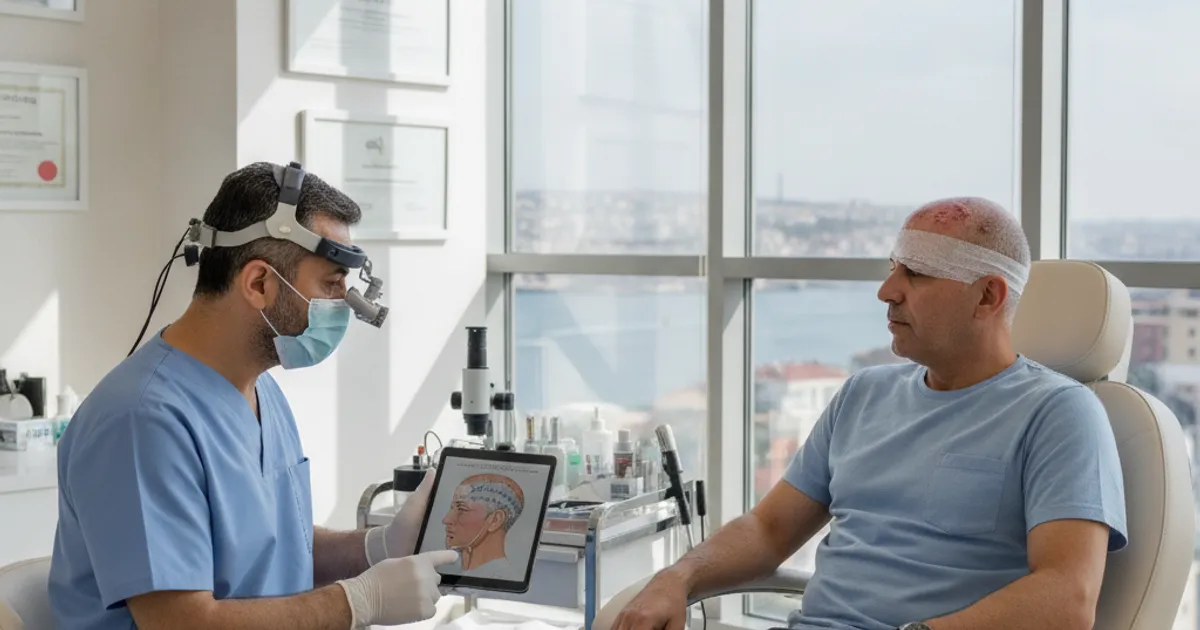
How Long After a Hair Transplant Can You Fly?
Most surgeons recommend waiting at least 7 to 10 days after a hair transplant before flying. This gives the grafts time to settle and reduces the risk of complications from cabin pressure and hygiene issues. However, the exact timing depends on your procedure, graft count, and overall health. Always follow your surgeon’s specific advice.
Why Is Flying After a Hair Transplant a Concern?
Flying soon after surgery can put stress on your scalp and grafts. The main worries are changes in air pressure, risk of infection, and physical discomfort. Here’s what’s actually at play:
- Cabin pressure changes can increase swelling and discomfort in the scalp.
- Dry cabin air may irritate healing wounds and make scabs feel tighter.
- Crowded airports and planes raise the risk of bumping your head or getting an infection.
- Sitting for long periods can affect blood circulation, which isn’t ideal for healing.
- Luggage handling and security checks can be physically awkward with a fresh transplant.
When Is It Safe to Fly After a Hair Transplant? (Timeline by Procedure Type)
The safe flying window depends on the procedure and how many grafts you had. Smaller sessions heal faster, while larger ones need more downtime. Here’s a general timeline. Important: the graft counts and day ranges below are typical estimates from general surgical knowledge, not from a verified database. Your surgeon will give you personalised guidance.
| Procedure Type | Typical Graft Count | Earliest Safe Flight (days) | Notes |
|---|---|---|---|
| FUE (small session) | 1,000–2,000 | 5–7 | Minimal scarring, quicker recovery. |
| FUE (large session) | 2,000–4,000 | 7–10 | More grafts, more care needed. |
| FUT (strip) | 2,000–4,000 | 10–14 | Stitches or staples need monitoring. |
| Revision or repair | Varies | 10–14 | Surgeon’s advice is critical. |
What Factors Affect How Soon You Can Fly?
Not everyone heals at the same pace. Your surgeon will give personalised advice, but these factors often influence the timeline:
- Number of grafts: More grafts mean a larger wound area and longer recovery.
- Technique used: FUE is generally less invasive than FUT, so recovery may be faster.
- Your health: Conditions like diabetes or high blood pressure can slow healing.
- Aftercare: Following post-op instructions (washing, medication) speeds recovery.
- Flight duration: Long-haul flights are harder on the body than short hops.
How Can You Minimise Risks When Flying After a Hair Transplant?
If you must fly soon after surgery, take these steps to protect your grafts and stay comfortable:
- Get written clearance from your surgeon before booking any flight.
- Wear loose-fitting clothing that doesn’t pull over your head.
- Use a travel neck pillow to avoid accidental head bumps.
- Keep your scalp moisturised with a saline spray (if approved by your doctor).
- Avoid alcohol and caffeine before the flight to reduce swelling.
- Walk around the cabin periodically to promote circulation.
- Carry hand sanitiser and avoid touching your scalp.
- Request aisle seating to minimise disturbance and allow easy movement.
- Do not lift heavy luggage; ask for assistance.
What Should You Pack for Your Flight After a Hair Transplant?
Packing smart can make your journey smoother and reduce stress on your scalp. Here’s a checklist:
- Doctor’s note and post-op instructions
- Prescribed medications (pain relief, antibiotics)
- Saline spray or recommended moisturiser
- Loose-fitting hat (surgeon-approved)
- Travel neck pillow
- Hand sanitiser and wet wipes
- Loose, button-up shirt (to avoid pulling over head)
- Small mirror for checking scalp
- Emergency contact numbers
When Should You See a Doctor After Flying?
Most people fly without issues, but watch for these signs and seek medical help if they appear:
- Increased redness, swelling, or pain at the donor or recipient sites.
- Fever or chills.
- Discharge or pus from the scalp.
- Sudden hair loss beyond normal shedding.
- Any signs of infection or allergic reaction.
Frequently Asked Questions
Can I fly 3 days after a hair transplant?
It’s not recommended. Most surgeons advise waiting at least 7 days to let grafts stabilise and reduce infection risk. Note: this is general guidance, not a database-verified figure.
Is it safe to fly 5 days after a hair transplant?
Some clinics allow it for small FUE sessions, but you should get explicit clearance from your surgeon first. The 5-day mark is not universally safe and is not backed by a specific database.
How long after a hair transplant can I fly long-haul?
Wait at least 10–14 days for long-haul flights, as prolonged sitting and cabin pressure can affect healing. These figures are general estimates; confirm with your surgeon.
Do I need to wear a hat on the plane after a hair transplant?
Only if your surgeon approves. A loose-fitting hat can protect the scalp, but avoid anything tight or abrasive.
Final Thoughts
Flying after a hair transplant is generally safe if you wait at least 7–10 days and take sensible precautions. The exact timing varies by procedure, graft count, and individual healing. Always prioritise your surgeon’s advice over general guidelines. If you’re planning a transplant abroad, factor in recovery time before booking your return flight. And remember: the figures in this article are typical estimates, not database-verified statistics—your clinic’s protocol is what matters most.
Medical Tourism: Planning Your Trip Around Recovery
Many people travel abroad for a transplant precisely because they plan to fly home afterward, so the flight becomes part of the treatment plan rather than an afterthought. The practical challenge is that the first week after surgery is when your scalp is most fragile, and it is also when you are furthest from home. Build your itinerary so the recovery days happen somewhere you can rest properly, not in transit.
- Book accommodation for longer than you think you need. If your clinic advises waiting up to 10 to 14 days, plan to stay that long rather than gambling on an early return.
- Schedule a follow-up appointment with the clinic before you leave the country, ideally the day before your flight, so a professional can check the grafts and confirm you are fit to travel.
- Ask the clinic in advance for a written post-operative summary and contact details you can share with a doctor at home if something goes wrong.
- Choose a direct flight where possible. Each connection means more time in crowded terminals, more luggage handling, and more chances to bump your head.
- Tell your travel insurer about the procedure. Some policies exclude complications from elective surgery, and you do not want to discover that at the airport.
- Keep your return flight flexible or refundable if you can. If healing is slower than expected, you may want to delay by a few days.
What to Expect on the Day of Travel
Knowing roughly how the travel day will feel helps you prepare and reduces anxiety. The experience varies by person, but here is the general picture in the first couple of weeks after surgery.
- Your scalp will likely still be tender and may feel tight, especially in dry cabin air. A saline spray, if your surgeon approves it, can ease this.
- Scabs may still be present. They are normal and should not be picked at, particularly in a confined space where you cannot wash your hands easily.
- Swelling, if any, tends to be around the forehead and eyes in the days after surgery. It usually settles on its own, but flying can make it feel more pronounced.
- You may feel more tired than usual. Healing uses energy, and airports are demanding. Allow extra time and avoid rushing between gates.
- Hats are a common question. Many clinics allow a loose, surgeon-approved hat after the first few days, but tight caps or anything that rubs the grafts should be avoided. Confirm the timing with your clinic.
- Security screening is generally not a problem, but you may prefer to explain your situation if a pat-down or head check is requested. A doctor's note can help.
Common Questions About Flying and Recovery
Can I fly the same day as my hair transplant?
This is generally not advisable. The day of surgery is when your scalp is most vulnerable, and you may still be affected by sedation or pain medication. Most surgeons prefer you to rest for at least several days, and many advise a week or more before flying.
Does flying affect graft survival?
There is no strong evidence that cabin pressure alone causes grafts to fail, but the early days are when grafts are most fragile. The bigger practical risks are bumping your head, infection from crowded spaces, and swelling or discomfort. Waiting until your surgeon clears you is the safest approach.
Is a short flight safer than a long-haul flight?
Shorter flights are generally easier on the body, but the timing after surgery matters more than the duration. A short flight too soon is riskier than a longer flight after adequate healing. Discuss both timing and duration with your surgeon.
Can I wear a hat through airport security?
You may be asked to remove headwear for screening. If your surgeon has approved a loose hat, you can usually explain the situation, but be prepared to remove it briefly. A doctor's note can make this smoother.
What if I develop swelling or pain during the flight?
Mild swelling and discomfort can happen. If you experience sudden severe pain, fever, discharge, or worsening redness, seek medical attention as soon as you land or speak to cabin crew if you feel unwell. Do not ignore signs of infection.
When can I fly without worrying about my scalp?
Once your surgeon confirms the grafts are secure and any scabs have healed, usually after the first week or two, flying becomes much less of a concern. After that, normal travel precautions apply.
More Guides
- Does Wegovy Cause Hair Loss? What Users Should Know
Wegovy can cause hair loss in some users, usually due to rapid weight loss or nutrient gaps. Learn why it happens, if it's permanent, and how to manage it.
- Hair Loss on Pillow vs in Shower: What's Normal?
Is hair loss on the pillow or in the shower normal? Learn typical daily shedding, causes, and when to worry. Expert answers for men and women.
- Does Hair Loss Run in Families? Genetics and Your Risk
Does hair loss run in families? Learn how genetics influence your risk, which genes are involved, and what you can do if you have a family history.
- Does Nicotine Cause Hair Loss? Vapes, Pouches, Patches
Does nicotine cause hair loss? We examine the evidence for vapes, pouches, and patches, how nicotine may affect hair growth, and whether quitting can help.