
How to Wash Hair After a Transplant Without Damaging Grafts
Learn how to wash your hair after a transplant without damaging grafts. Step-by-step protocol, recovery timeline, safe products, and common mistakes to avoid.
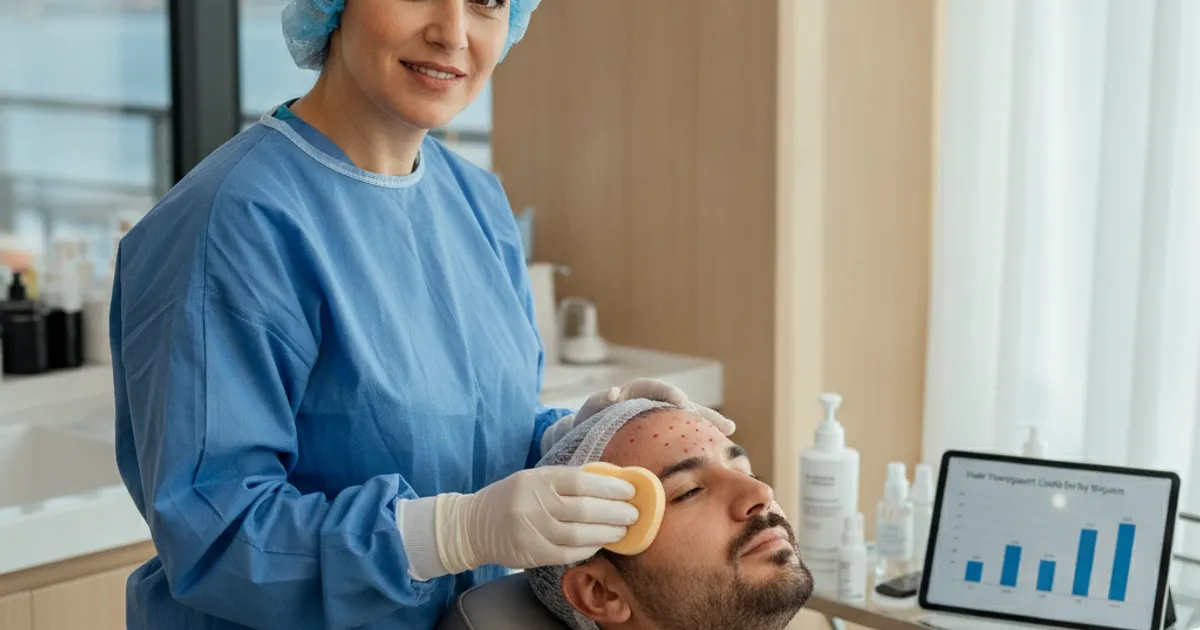
What Is the Post-Transplant Washing Protocol?
After a hair transplant, your scalp is essentially a field of tiny open wounds. Each graft — the follicular unit that was moved from the donor area to the recipient site — needs time to anchor itself into its new blood supply. Washing is not just about hygiene; it is a critical part of protecting those grafts during the first two weeks. The post-transplant washing protocol is a structured set of instructions your clinic gives you to clean the scalp without dislodging newly implanted follicles. It usually starts with a no-touch period, then moves to gentle rinsing, then to controlled shampooing, and finally to normal washing once the grafts are secure.
Why the First 72 Hours Matter for Graft Survival
The first three days after surgery are when grafts are most vulnerable. During this window, the follicles have not yet reconnected to the scalp's blood vessels. They are held in place by a fragile fibrin clot — basically a natural glue that forms around each graft. Any friction, pressure, or direct water pressure can break that clot and cause the graft to pop out. In most cases, once a graft is lost, it cannot be replaced without another procedure, though some clinics may attempt re-implantation during early follow-up if you report it quickly. That is why most clinics tell you to keep the recipient area completely dry for the first 24 to 48 hours, and then only rinse with a gentle stream of water after that.
- Days 0–2: Do not touch, rub, or scratch the recipient area. No direct water pressure.
- Days 2–3: First gentle rinse with lukewarm water and a cup or low-pressure showerhead.
- Days 3–7: Begin using a mild shampoo, but only pat it on — never rub.
- Days 7–10: Crusts start to loosen. Gentle circular motions with fingertips are usually allowed.
- Day 10 onward: Most clinics clear you for normal washing, but still avoid harsh scrubbing.
Step-by-Step: How to Wash Your Hair After a Transplant
Once your clinic gives you the green light to start washing, the technique matters as much as the products. The goal is to clean the scalp without creating friction or pressure on the grafts. Here is the standard approach most surgeons recommend.
Timeline: Washing Rules by Recovery Stage
| Stage | Time After Surgery | Washing Rule | What to Avoid |
|---|---|---|---|
| Immediate | 0–48 hours | Do not wash. Keep recipient area dry. | Water, sweat, touching, hats |
| First rinse | 48–72 hours | Gentle rinse with cup or low-pressure water only. | Shampoo, direct shower pressure, rubbing |
| First shampoo | Day 3–7 | Mild shampoo patted on with fingertips. Rinse gently. | Scrubbing, nails, hot water, strong water pressure |
| Crust removal | Day 7–10 | Gentle circular motions allowed as crusts loosen. | Picking, peeling, forceful rubbing |
| Normal washing | Day 10–14 | Regular washing with mild shampoo. Still be gentle. | Harsh shampoos, scalp scrubs, tight hats |
| Back to normal | Week 3+ | Most clinics clear normal washing and styling. | Aggressive brushing, chemical treatments |
This timeline is a general guide. Some clinics are more conservative and ask you to wait longer before shampooing. Others may clear you for normal washing a bit sooner. The key is to follow your own clinic's instructions, because they know exactly how your procedure was performed and how your scalp is healing.
Products and Tools That Are Safe (and What to Avoid)
Not all shampoos are created equal when you have fresh grafts. The best options are mild, fragrance-free, and free of harsh chemicals. Your clinic may send you home with a specific post-op shampoo, but if not, here is what to look for.
- Safe: Baby shampoo (fragrance-free), mild pH-balanced shampoo, clinic-recommended post-op shampoo.
- Safe: Soft towel, cup or jug for rinsing, wide-tooth comb (only after day 10).
- Avoid: Shampoos with sulfates, parabens, or strong fragrances.
- Avoid: Scalp scrubs, exfoliants, or anything with beads or grit.
- Avoid: Hot water, high-pressure showerheads, and direct water streams on the recipient area.
- Avoid: Hair dryers on high heat, curling irons, and straighteners for at least two weeks.
- Avoid: Tight hats, helmets, or anything that rubs against the grafts.
If you are unsure about a product, ask your clinic. They can tell you whether it is safe for your specific situation. In general, the simpler the ingredient list, the better.
Common Mistakes That Can Damage Grafts
Most people who lose grafts do so because of small, avoidable mistakes. The grafts are more resilient than they look, but they are not indestructible. Here are the most common errors.
- Scrubbing too hard. Even gentle rubbing can dislodge a graft that has not fully anchored.
- Using hot water. Hot water is generally discouraged during early healing because it may increase swelling and scalp sensitivity, though the exact effect on grafts is not firmly established.
- Picking at crusts. Crusts are part of the healing process. Picking them off can take the graft with them.
- Washing too soon. If your clinic says wait 48 hours, wait 48 hours. Do not improvise.
- Using the wrong shampoo. Harsh chemicals can irritate the scalp and slow healing.
- Letting the showerhead blast the recipient area. Direct pressure is one of the fastest ways to lose a graft.
- Sleeping face-down or on the recipient area. This puts pressure on the grafts for hours.
How Washing Compares Across Transplant Techniques
Different transplant techniques — FUE, FUT, and DHI — have slightly different aftercare requirements. The washing rules are similar, but the timing and the level of care can vary.
| Technique | First Wash | Shampoo Start | Key Washing Difference |
|---|---|---|---|
| FUE (Follicular Unit Extraction) | 48–72 hours | Day 3–5 | Small puncture wounds. Gentle rinsing is usually enough. |
| FUT (Follicular Unit Transplantation) | 48–72 hours | Day 3–5 | Donor area has a linear incision. Be extra careful around the suture line. |
| DHI (Direct Hair Implantation) | 48–72 hours | Day 3–5 | Grafts are placed with an implanter pen. Similar washing rules, but some clinics prefer a longer no-touch period. |
In all cases, the core principle is the same: keep the recipient area clean without disturbing the grafts. Your clinic will give you a specific protocol based on the technique used and your individual healing.
When to Contact Your Clinic
Most people get through the washing phase without any problems. But there are times when you should call your clinic rather than try to fix it yourself.
- You are losing a large number of grafts (more than a few strands).
- You have heavy bleeding that does not stop with gentle pressure.
- You notice signs of infection: redness, swelling, pus, or fever.
- You are in significant pain that is not relieved by over-the-counter medication.
- You are unsure whether something is normal or not. It is always better to ask.
Your clinic can assess whether what you are experiencing is normal or something that needs attention. Do not hesitate to reach out.
Frequently Asked Questions
How soon after a hair transplant can I wash my hair?
Most clinics recommend waiting 48 to 72 hours before the first rinse. You can usually start using a mild shampoo around day 3 to 5. Always follow your own clinic's instructions, as they may vary based on your procedure and healing.
What happens if I accidentally rub or scratch my grafts?
A single incident is unlikely to ruin your results, but it can dislodge a graft. If you notice bleeding or a graft coming out, contact your clinic. They can assess whether it is something to worry about.
Can I use my regular shampoo after a transplant?
Not immediately. Regular shampoos often contain sulfates, fragrances, and other chemicals that can irritate a healing scalp. Use a mild, fragrance-free shampoo for at least the first two weeks, or until your clinic says otherwise.
How do I know if I am washing too hard?
If you feel any pulling, stinging, or see blood, you are being too rough. The right pressure is barely more than patting. When in doubt, be gentler than you think you need to be.
More Guides
- Hair Transplant for Men With Sensitive Skin: What to Know
Hair transplant for men with sensitive skin: techniques, recovery, results, cost factors, and how to choose a clinic that handles eczema or psoriasis.
- What Happens 10 Days After a Hair Transplant?
A clear, honest look at what happens 10 days after a hair transplant: healing, scabs, shedding, results, costs, and who it suits.
- ARTAS Hair Transplant: How It Works and Who It's For
A clear guide to ARTAS hair transplant: how the robotic system works, recovery, results, cost factors, who it suits, and how it compares to other techniques.
- Facial Hair Transplant: Procedure, Recovery & Results
A clear guide to facial hair transplant: how it works, recovery timeline, results, who suits it, cost, and how it compares to alternatives.