
Teenage Hair Loss: Causes, Patterns & When to Act
Hair loss in teenagers: learn the causes, normal shedding vs. concerning loss, diagnosis, treatment options, and when a hair transplant may be suitable.
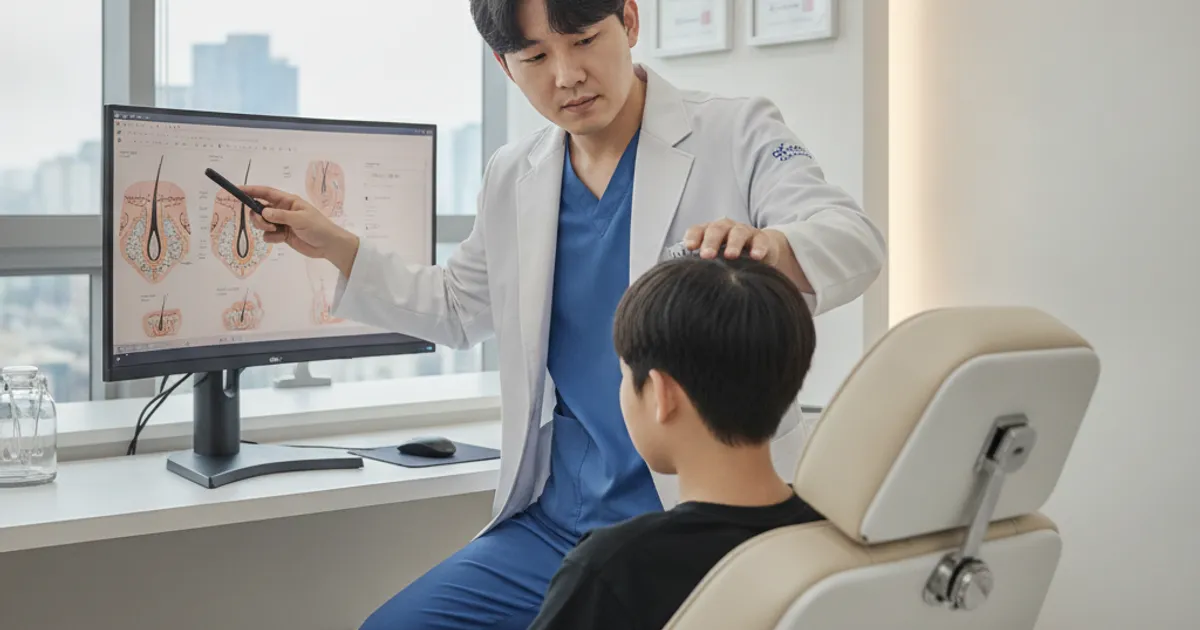
What Is Teenage Hair Loss?
Teenage hair loss refers to excessive hair shedding or thinning that occurs during adolescence. While some hair shedding is completely normal, noticeable thinning or bald patches during the teen years can be distressing and may signal an underlying issue. Hair loss in teenagers can be temporary or permanent, and it often looks different from the gradual recession seen in adult men. It can affect the scalp, eyebrows, or other body hair, and it may come on suddenly or develop slowly over months.
How Common Is Hair Loss in Teenagers?
Hair loss in teenagers is more common than many people assume, though it is often underreported because teens may feel embarrassed or unsure where to turn. The exact prevalence varies by cause, but androgenetic alopecia (pattern hair loss) can begin in the late teens, and telogen effluvium (temporary shedding) is frequently seen after illness, stress, or rapid weight loss. Alopecia areata, an autoimmune condition, also has a peak onset in childhood and adolescence.
- Pattern hair loss (androgenetic alopecia) can start in the mid-to-late teens, especially in males.
- Telogen effluvium is a common cause of temporary shedding in teens and often follows a trigger like illness, surgery, or severe stress.
- Alopecia areata affects children and teens and causes sudden, patchy hair loss.
- Traction alopecia is seen in teens who wear tight hairstyles regularly.
- Nutritional deficiencies (iron, vitamin D, zinc) are a frequent and reversible cause.
Normal Hair Shedding vs. Concerning Hair Loss
Everyone sheds hair daily as part of the normal hair growth cycle. The key difference between normal shedding and concerning hair loss is the pattern, duration, and whether you notice visible thinning or bald spots. Normal shedding is diffuse and temporary; concerning loss is often patchy, progressive, or accompanied by scalp symptoms.
| Feature | Normal Shedding | Concerning Hair Loss |
|---|---|---|
| Daily loss | Some hair loss is expected daily | Noticeably more, clumps on pillow or in shower |
| Pattern | Even, diffuse | Patchy, receding hairline, widening part |
| Duration | Brief, often seasonal | Persists for weeks or months |
| Scalp appearance | Normal | Redness, scaling, itching, or scarring |
| Associated signs | None | Fatigue, weight change, irregular periods, nail changes |
Causes of Hair Loss in Teenagers
Teenage hair loss has many possible causes, and often more than one factor is at play. Hormonal shifts during puberty, genetic predisposition, nutritional gaps, and emotional stress can all contribute. A careful history and physical exam usually point to the likely cause.
- Androgenetic alopecia: genetic sensitivity to dihydrotestosterone (DHT) leading to gradual thinning at the temples or crown.
- Telogen effluvium: temporary shedding triggered by illness, surgery, fever, rapid weight loss, or severe stress.
- Alopecia areata: an autoimmune condition causing sudden, smooth patches of hair loss.
- Nutritional deficiencies: low iron, vitamin D, zinc, or protein can impair hair growth.
- Thyroid disorders: both hypothyroidism and hyperthyroidism can cause hair thinning.
- Polycystic ovary syndrome (PCOS): a common cause of hair thinning in teen girls, often with irregular periods and acne.
- Traction alopecia: caused by tight braids, ponytails, or hair extensions.
- Medications and treatments: certain drugs, including some acne treatments and chemotherapy, can cause hair loss.
- Trichotillomania: a compulsive hair-pulling disorder that often begins in adolescence.
Symptoms and Early Warning Signs
Teens and parents should watch for changes that go beyond ordinary shedding. Early signs are often subtle, so paying attention to hair density and scalp health matters.
- A widening part or visible scalp through the hair.
- Receding hairline at the temples or thinning at the crown.
- Increased hair on pillows, in the shower drain, or on hairbrushes.
- Smooth, round patches of hair loss (possible alopecia areata).
- Scalp itching, flaking, redness, or tenderness.
- Breaking hairs or short, stubbly regrowth.
- Changes in eyebrows or eyelashes.
- Fatigue, weight changes, or irregular periods that may point to a systemic cause.
How Teenage Hair Loss Is Diagnosed
Diagnosis starts with a detailed history and physical exam. A doctor or dermatologist will ask about the timing of hair loss, family history, hairstyling habits, diet, stress, and medications. They will examine the scalp and may use a dermatoscope to look at hair follicles and scalp skin more closely. Blood tests are often ordered to rule out nutritional deficiencies, thyroid problems, and hormonal imbalances.
- Medical history: onset, pattern, triggers, family history, and hair care habits.
- Scalp examination: checking for inflammation, scarring, and hair density.
- Dermatoscopy: magnified view of follicles and scalp to distinguish types of hair loss.
- Hair pull test: gently pulling a small group of hairs to assess shedding phase.
- Blood tests: ferritin, vitamin D, thyroid function, and hormone panels when indicated.
- Scalp biopsy: rarely needed, but can confirm scarring or autoimmune conditions.
Treatment Options for Teenagers
Treatment depends on the cause. For temporary shedding, addressing the trigger (such as correcting an iron deficiency or managing stress) is often enough. For pattern hair loss, medications like minoxidil and finasteride may be considered, though finasteride requires careful discussion with a doctor due to hormonal effects in developing teens. PRP (platelet-rich plasma) therapy is sometimes used as an adjunct, but evidence in teens is limited. Alopecia areata may be treated with topical corticosteroids or other immunomodulators. Always consult a healthcare professional before starting any treatment.
- Minoxidil (topical or oral): FDA-approved for androgenetic alopecia; topical form is often first-line for teens.
- Finasteride: oral medication for male pattern hair loss; typically reserved for adults due to hormonal effects in developing teens.
- PRP therapy: injections of concentrated platelets to stimulate follicles; used in some clinics but not standard for teens.
- Corticosteroids: topical or injectable for alopecia areata.
- Nutritional supplementation: only when a deficiency is confirmed.
- Lifestyle changes: gentle hair care, stress management, and a balanced diet.
| Treatment | Best For | Considerations for Teens |
|---|---|---|
| Minoxidil | Androgenetic alopecia | Topical form preferred; requires consistent use |
| Finasteride | Male pattern hair loss | Discuss risks with doctor; hormonal effects in teens |
| PRP therapy | Adjunct for various types | Limited evidence in teens; cost and needle discomfort |
| Corticosteroids | Alopecia areata | Prescription only; monitor for side effects |
| Supplements | Confirmed deficiencies | Only take if blood tests show a deficiency |
Is a Hair Transplant Suitable for Teenagers?
Hair transplants are rarely recommended for teenagers. The main reason is that hair loss patterns are still evolving, and a transplant now could lead to unnatural results as native hair continues to thin. Most surgeons prefer to wait until hair loss has stabilized. Exceptions exist for scarring alopecia or specific cases, but even then, a cautious approach is advised. Teens and parents should have realistic expectations and explore non-surgical options first.
- Hair loss is often not stable in teens, making surgical planning difficult.
- Donor hair supply is limited; using it prematurely can limit future options.
- Non-surgical treatments should be tried first when appropriate.
- Psychological readiness and informed consent are essential.
- If considering a transplant, seek a surgeon experienced with young patients and realistic planning.
When to Act: A Parent's and Teen's Checklist
Knowing when to seek help can prevent unnecessary worry and ensure treatable causes are addressed. Use this checklist to decide when to book an appointment.
- You notice sudden or patchy hair loss, especially with scalp redness or scaling.
- Shedding seems excessive and persistent.
- There is a visible widening of the part or receding hairline.
- The teen has other symptoms like fatigue, weight change, or irregular periods.
- There is a family history of early hair loss and you want to discuss prevention.
- The hair loss is causing significant distress or affecting self-esteem.
- You have tried basic changes (gentle hair care, balanced diet) without improvement.
Frequently Asked Questions
Can teenagers regrow hair naturally?
Yes, in many cases. If hair loss is due to a temporary trigger like telogen effluvium, nutritional deficiency, or stress, hair often regrows once the cause is corrected. Pattern hair loss may require ongoing treatment.
Is it normal to lose hair during puberty?
Some shedding is normal as hormones fluctuate, but noticeable thinning or patches are not typical and should be evaluated.
Can teenagers use minoxidil?
Topical minoxidil is sometimes prescribed for teens with androgenetic alopecia, but it should only be used under medical supervision.
Is finasteride safe for teenagers?
Finasteride is generally not recommended for teens because it affects hormones involved in development. It should only be considered with careful medical advice.
At what age can you get a hair transplant?
Most surgeons prefer to wait until hair loss has stabilized, which often means not during the teenage years. A consultation with a qualified surgeon is the best way to get personalized advice.
What should I do if my teen is losing hair?
Start with a visit to a doctor or dermatologist. They can assess the cause and recommend appropriate treatment. Avoid self-prescribing supplements or treatments without a diagnosis.
More Guides
- Hair Transplant for Men With Psoriasis or Eczema
Can you get a hair transplant with scalp psoriasis or eczema? Learn causes, symptoms, treatments, and how to prepare safely. Expert guide.
- Hair Transplant and Rosacea: Is It Safe?
Can you have a hair transplant if you have rosacea? Learn how scalp rosacea affects surgery, risks, preparation, and whether you're a suitable candidate.
- Radiation and Hair Loss: Local vs Whole-Body Effects
Does radiation cause hair loss? Learn how local and whole-body radiation affect hair, symptoms, treatment, and hair transplant suitability.
- Crash Dieting and Hair Shedding: Recovery Guide
Crash dieting can trigger telogen effluvium and hair shedding. Learn causes, diagnosis, treatment options, and whether a hair transplant is suitable.