
Hair Transplant After a Hair System: Transition Guide
Planning a hair transplant after wearing a hair system? Learn candidacy, timeline, surgery, recovery, costs, and how to choose a clinic for a smooth transition.
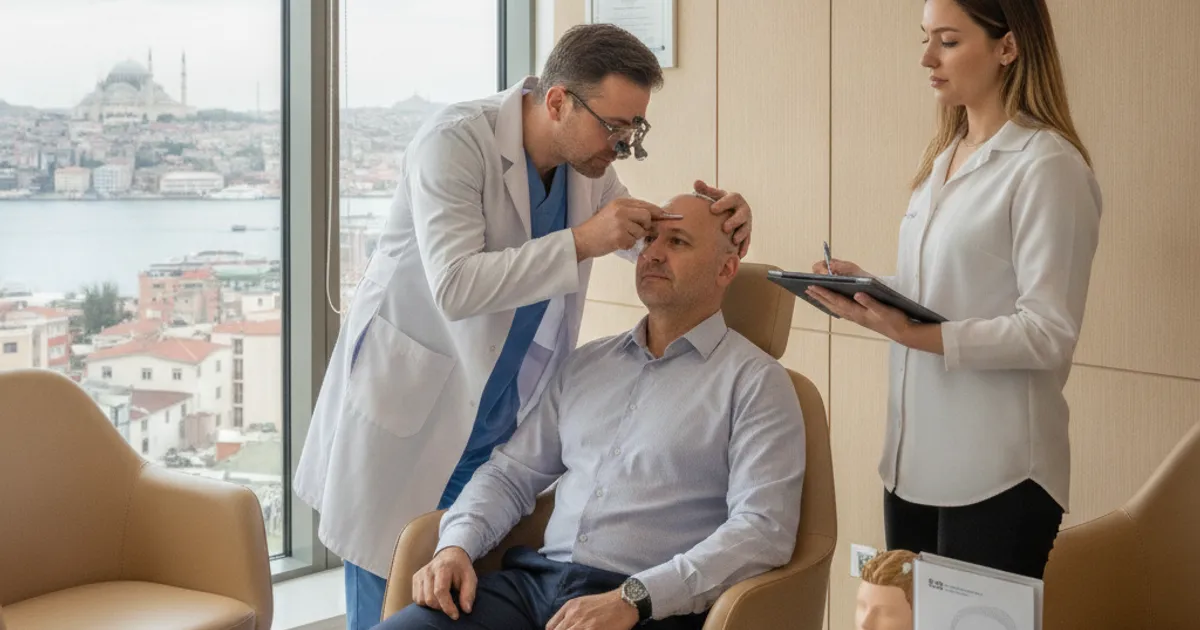
Why Transition from a Hair System to a Transplant?
If you've been wearing a hair system for a while, you already know the upsides: instant coverage, a natural look when done well, and control over your appearance. But many men eventually tire of the maintenance—the adhesives, the cleaning, the regular replacements, and the feeling that you're managing a problem rather than solving it. A hair transplant offers a permanent solution by moving your own hair follicles to thinning areas. The transition isn't instant, and it's not right for everyone, but for the right candidate it can mean saying goodbye to glue and hello to hair that grows from your own scalp. This guide walks you through the practical steps: assessing candidacy, planning the timeline, what surgery involves, aftercare, the psychological shift, costs, and choosing a clinic.
Assessing Your Candidacy: Are You Ready for a Transplant?
Not everyone who wears a hair system is a good candidate for a transplant. The key factors are your donor hair supply, the extent of your hair loss, and your overall health. A surgeon will assess whether you have enough healthy follicles in the donor area (usually the back and sides of the scalp) to cover the thinning areas. They'll also consider your age, family history of hair loss, and whether your pattern of loss has stabilized. If you're still losing hair rapidly, a transplant now might not look good long-term because the transplanted hair stays, but the surrounding native hair may continue to recede. In that case, a surgeon might recommend waiting or combining surgery with medication.
- Sufficient donor hair density and quality
- Stable hair loss pattern (not rapidly progressing)
- Realistic expectations about density and coverage
- Good general health and no contraindications for surgery
- Commitment to aftercare and long-term maintenance
It's also worth noting that wearing a hair system for years can sometimes affect the scalp—adhesives may cause irritation or traction, and the underlying skin needs to be healthy before surgery. Your surgeon will examine your scalp for any issues that need addressing first.
Planning Your Transition: Timeline and Preparation
Transitioning from a hair system to a transplant requires planning. You'll need to stop wearing the system for a period before surgery to allow your scalp to recover and to let the surgeon see your natural hair loss pattern. The exact timeline depends on your surgeon's advice, but here's a typical sequence:
During the transition, you might need a temporary solution for social or work situations. Some patients use a loose-fitting cap or a very light hairpiece that doesn't put pressure on the grafts, but always check with your surgeon first. The key is to avoid anything that could dislodge grafts or irritate the scalp during the critical healing phase.
The Procedure: What to Expect During Surgery
Hair transplant surgery is typically performed under local anesthesia, so you'll be awake but comfortable. The most common techniques are Follicular Unit Extraction (FUE) and Follicular Unit Transplantation (FUT). In FUE, individual follicular units are extracted from the donor area using a small punch tool, leaving tiny dot scars. In FUT, a strip of skin is removed from the donor area and dissected into grafts, leaving a linear scar. Your surgeon will recommend the technique best suited to your donor supply and goals. The procedure can take several hours depending on the number of grafts. You'll be given breaks, and you may feel some pressure or discomfort, but pain is usually minimal during surgery. After the grafts are placed, you'll be sent home with instructions and possibly a bandage or cap.
Recovery After Transplant: Essential Aftercare Steps
Recovery is straightforward if you follow your clinic's instructions. The first few days are the most critical for graft survival. You'll need to avoid touching the recipient area, sleep with your head elevated, and avoid strenuous activity. Scabbing will form and flake off within a week to ten days. Most patients can return to desk work after a few days, but you'll need to avoid heavy lifting or exercise for at least a week or two. Here are the key aftercare steps:
- Follow your surgeon's washing routine exactly—usually a gentle rinse and later mild shampoo.
- Avoid direct sun exposure on the scalp for several weeks.
- Don't wear tight hats or hair systems until cleared by your surgeon.
- Take any prescribed medications (antibiotics, pain relief) as directed.
- Attend follow-up appointments to monitor healing.
- Be patient: transplanted hair sheds in the first month, and new growth appears around three to four months.
It's normal to feel anxious during the shedding phase, but it's a sign the follicles are entering a resting phase before new growth. By six months, you should see noticeable improvement, with final results at 12 to 18 months.
Managing the Psychological Shift: From Hair System to Natural Hair
Going from a hair system to a transplant is as much a psychological transition as a physical one. A hair system gives you immediate control over your appearance; a transplant requires patience and a willingness to go through an awkward in-between phase. You might feel self-conscious during the first few months when your hair is sparse or uneven. Many patients find it helpful to talk to others who have gone through the same process, either through online forums or support groups. It's also important to have realistic expectations: a transplant won't give you the density of a hair system, but it will give you hair that's truly yours. Focus on the long-term freedom from maintenance and the natural look.
Comparing Costs: Hair System vs. Hair Transplant
Cost is a major factor in the decision. Hair systems have ongoing expenses: the initial unit, adhesives, cleaning supplies, and regular replacements. Over years, these add up. A hair transplant is a larger upfront investment, but it's a one-time cost (though you may need future sessions if hair loss progresses). The table below shows average case pricing for hair transplants by stage of hair loss. These figures are medians and represent the typical cost for each category.
Because exact prices vary by clinic and location, we recommend checking the Clinic Reccy directory for up-to-date figures. When comparing, factor in the long-term cost of hair system maintenance—replacement units, adhesives, and time—which can exceed the upfront cost of a transplant over several years.
Choosing a Clinic: Key Factors for a Successful Transition
The clinic you choose plays a huge role in your outcome. Look for a surgeon who specializes in hair restoration and has experience with patients transitioning from hair systems. They should be able to show you before-and-after photos of similar cases and explain the technique they recommend. Don't rush—consult with at least two or three clinics. Here's what to check:
- Surgeon's credentials and membership in reputable hair restoration societies.
- Experience with your specific pattern of hair loss and donor supply.
- Clear explanation of the procedure, risks, and recovery.
- Realistic expectations about density and coverage.
- Transparent pricing with no hidden fees.
- Good aftercare support and follow-up appointments.
You can use the Clinic Reccy directory to find and compare clinics in your area. Check patient reviews and ask for references if possible.
FAQ: Common Questions About Hair Transplant After a Hair System
Can I wear my hair system after a hair transplant?
You should avoid wearing a hair system for at least the first few weeks after surgery to protect the grafts. Your surgeon will give you a specific timeline, but many advise waiting until the grafts are securely healed, often around two to four weeks. After that, you may be able to wear a loose-fitting system, but check with your clinic.
How long should I stop wearing my hair system before surgery?
Most surgeons recommend stopping one to two weeks before surgery to allow the scalp to recover from any irritation and to let the surgeon assess your natural hair. Your clinic will provide exact instructions based on your situation.
Will a hair transplant give me the same density as my hair system?
No, a transplant won't replicate the density of a hair system. It provides natural hair growth, but the coverage depends on your donor supply. Your surgeon will discuss realistic expectations during consultation.
How long until I see results after a hair transplant?
Transplanted hair typically sheds in the first month, and new growth begins around three to four months. You'll see noticeable improvement by six months, with final results at 12 to 18 months.
More Guides
- How Long After Finasteride Before a Hair Transplant?
Planning a hair transplant while on finasteride? Learn the typical waiting period, why timing matters, and how to coordinate with your surgeon for best results.
- Early Symptoms of Hair Loss: What to Watch For First
Learn the early symptoms of hair loss, how to track them, and when to see a specialist. Plan ahead with treatment options and costs.
- Alopecia Treatment: A Comprehensive Guide
A practical guide to alopecia treatment: types, diagnosis, medications, surgery, recovery timeline, and aftercare. Plan your hair restoration with confidence.
- Hair Loss Causes: What You Can and Can't Control
Understand hair loss causes, what's controllable, and how to plan a transplant. Practical guide to factors, aftercare, and when to see a specialist.