
Hair Transplant Package Deals: What's Included and Hidden
A practical guide to hair transplant package deals: what's typically included, what's often excluded, how to compare fairly, and questions to ask before booking
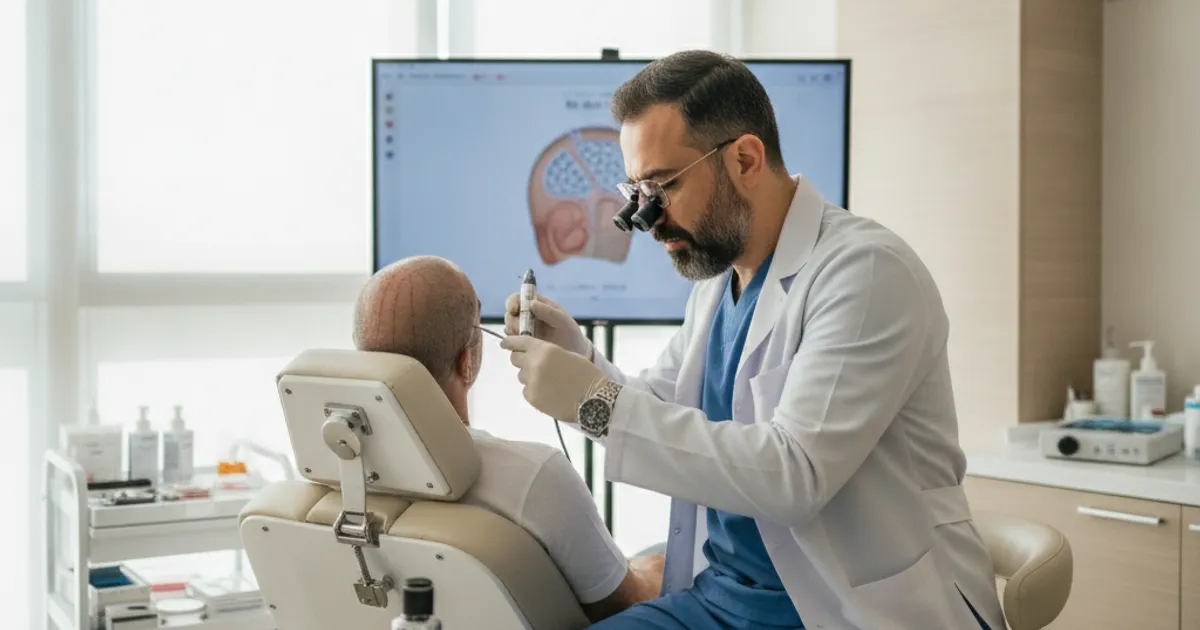
Hair transplant package deals bundle surgery with extras like hotel stays, airport transfers, and follow-up care into one price. They can simplify planning and save money, but only if you know exactly what you're getting. This guide breaks down what's usually included, what's often hidden, and how to compare offers without getting caught out.
What a Hair Transplant Package Deal Really Means
At its core, a package deal is a fixed price for a bundle of services. Instead of paying separately for the procedure, anesthesia, medications, and aftercare, you pay one upfront fee. The idea is convenience and cost certainty. But packages vary wildly between clinics. Some include almost everything you'll need; others cover only the surgery and leave you to arrange and pay for the rest. The key is to read the fine print and understand which services are genuinely included versus merely 'available' at extra cost.
Why Clinics Bundle Services Into Packages
Clinics bundle services for several practical reasons. It streamlines their scheduling, reduces no-shows, and makes it easier for patients traveling from out of town to commit. Packages also help clinics manage expectations and standardize care. From a patient's perspective, a well-designed package can remove a lot of logistical stress. But it's worth remembering that bundles are also a marketing tool — they can make a clinic's price look more competitive than it really is if the included extras are things you don't need or could arrange cheaper yourself.
- Simplifies pricing and reduces surprise bills for patients.
- Encourages out-of-town patients to book by covering travel logistics.
- Helps clinics fill schedules and standardize the patient experience.
- Can make comparison shopping harder if inclusions are vague.
What's Typically Included in a Package
Most reputable packages cover the core surgical episode and a few recovery essentials. The exact list depends on the clinic and the tier you choose, but here are the common inclusions you should look for.
- The hair transplant procedure itself (FUE or FUT) with the agreed graft count.
- Local anesthesia and basic surgical supplies.
- Pre-operative consultation and blood tests (sometimes charged separately).
- Post-operative medications: antibiotics, pain relief, and sometimes minoxidil or finasteride.
- Follow-up visits or remote check-ins for a set period after surgery.
- Airport transfers and hotel accommodation for traveling patients.
- A post-op care kit with saline spray, shampoo, and instructions.
| Service | Often Included | Sometimes Extra |
|---|---|---|
| Surgery and anesthesia | Yes | — |
| Pre-op blood tests | Sometimes | Yes |
| Post-op medications | Often | Yes |
| Follow-up visits | Often | Yes (especially long-term) |
| Hotel and transfers | For travel packages | Yes |
| PRP therapy | Rarely | Usually extra |
| Additional grafts | Up to agreed limit | Charged per graft |
What's Often Hidden or Excluded
The gap between what a package promises and what it actually covers is where most frustration happens. Hidden costs usually fall into a few predictable categories. Before you book, ask for a written breakdown of every service and whether it's included, optional, or excluded.
- Consultation fees: some clinics charge for the initial assessment even if you proceed.
- Blood tests and pre-op screening: often billed separately.
- Additional grafts: if the surgeon needs more than the package states, you pay per graft.
- PRP or mesotherapy sessions: frequently marketed as add-ons.
- Post-op medications and care products: sometimes not included.
- Follow-up visits beyond a certain period or number.
- Travel insurance, visa fees, and meals.
- Revision surgery: almost never included in the original package.
How to Compare Package Deals Fairly
Comparing packages is not just about the bottom line. You need to normalize the offers so you're comparing like with like. Start by listing every service you expect to need, then check each package against that list. Convert prices to a single currency if you're looking abroad, and factor in the cost of anything excluded. A cheaper package that excludes medications and follow-up may end up costing more than a slightly higher package that includes them.
| Comparison Point | Package A | Package B |
|---|---|---|
| Headline price | Lower | Higher |
| Grafts included | As agreed | As agreed |
| Medications included | No | Yes |
| Follow-up included | 1 visit | Multiple visits |
| Adjusted total cost | Higher after extras | Lower overall |
Questions to Ask Before You Book
A short, direct conversation with the clinic can save you a lot of grief later. Ask these questions and get the answers in writing — email is fine. A reputable clinic will be happy to clarify.
- What exactly is included in the package price, and what is not?
- How many grafts are included, and what happens if more are needed?
- Are pre-op tests, medications, and follow-up visits covered?
- Who performs the surgery — the surgeon or technicians?
- What is the policy on revisions or touch-ups?
- Are there any additional fees for travel, accommodation, or aftercare products?
- What is the cancellation and refund policy?
Planning Your Recovery Around the Package
Your recovery plan should match what the package actually provides. If follow-up is remote, make sure you're comfortable with video check-ins. If medications aren't included, budget for them and buy them before you travel. If you're traveling abroad, plan to stay an extra day or two after surgery for a check-up before flying home. Build a buffer around the procedure date so you're not rushing.
- Confirm the post-op check-up schedule and whether it's in person or remote.
- Buy any excluded medications and aftercare products in advance.
- Book accommodation close to the clinic for the first 48 hours.
- Avoid scheduling flights too soon after surgery; allow time for a check-up.
- Have a contact number for the clinic in case of questions during recovery.
Red Flags in Hair Transplant Package Advertising
Most clinics are honest, but some advertising tactics should make you pause. Watch for packages that promise unrealistic graft counts for a low price, or that pressure you to book quickly. Vague language like 'all-inclusive' without a detailed list is another warning sign. If a clinic won't put the inclusions in writing, walk away.
- Prices that seem too low for the number of grafts advertised.
- No clear breakdown of what's included and what's extra.
- High-pressure sales tactics or limited-time discounts.
- No mention of the surgeon's qualifications or role in the procedure.
- Unwillingness to provide a written quote or contract.
- Reviews that mention unexpected charges or poor follow-up.
FAQ: Hair Transplant Package Deals
Are hair transplant packages cheaper than paying separately?
Sometimes, but not always. Packages can save money if you need most of the included services. If you don't need the hotel or transfers, or if the package excludes medications and follow-up, paying separately may be cheaper. Always compare the adjusted total cost.
What should I do if the clinic recommends more grafts than my package includes?
Ask for a revised quote that covers the additional grafts. Clarify the per-graft cost and whether it changes the total price. It's better to know upfront than to be surprised after surgery.
Is follow-up care usually included in a package?
Many packages include a set number of follow-up visits or remote check-ins for a defined period after surgery. Beyond that, or for revision surgery, you may pay extra. Confirm the details in writing.
Can I customize a package?
Often yes. Clinics may let you add or remove services like accommodation or PRP. Ask for a customized quote based on what you actually need, and get it in writing.
More Guides
- How to Document Hair Loss Progression for a Clinic Visit
Learn how to track hair loss progression with consistent photos, notes, and other methods so your clinic consultation is accurate and productive.
- How Many Hair Transplants Can You Have? Donor Limits
How many hair transplants can you have? Learn about donor limits, graft counts, safe spacing between sessions, and aftercare planning in this practical guide.
- Finasteride Coupons & Discount Cards: How to Pay Less
Learn how finasteride coupons and discount cards work, where to find legitimate ones, and how to use them at the pharmacy to lower your prescription costs.
- Donor Hair for Transplant: Graft Math Explained
How much donor hair do you need for a transplant? Learn the graft math, safe extraction limits, and planning tips to protect your donor area.