
Hair Transplant Scabs: How Long They Last and Aftercare Tips
Hair transplant scabs typically last 7–14 days. Learn the healing timeline, aftercare do's and don'ts, and when to worry about infection.
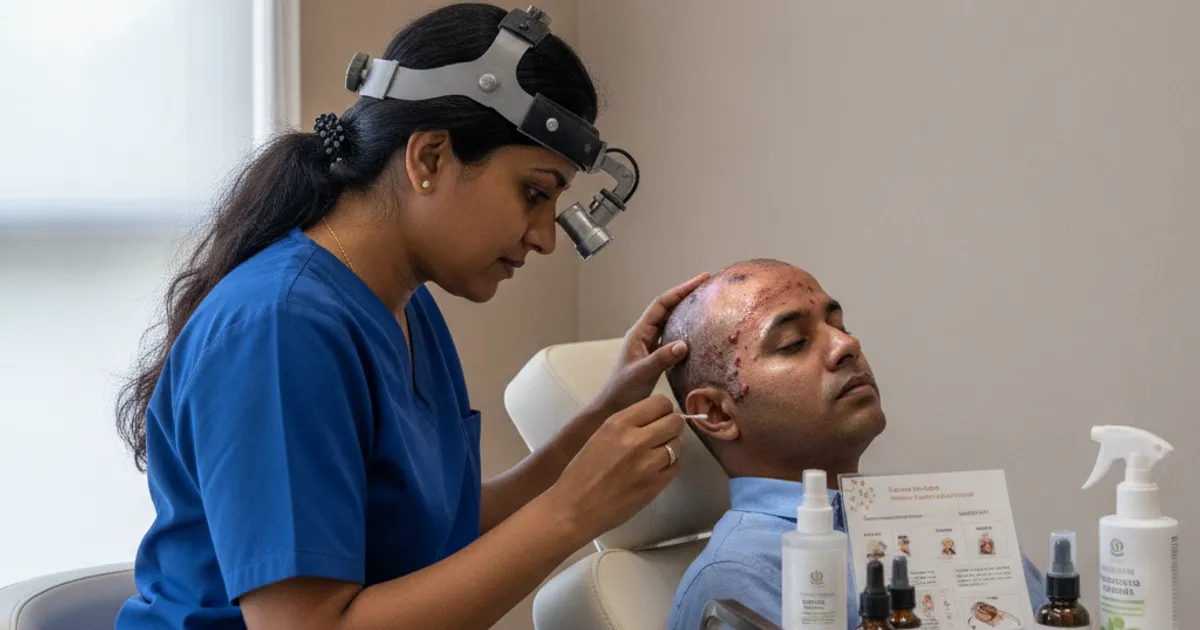
Hair Transplant Scabs: How Long Do They Last?
If you've just had a hair transplant, you're probably staring at your scalp wondering when those little crusts will disappear. The short answer: most scabs from a hair transplant fall off within 7 to 14 days after surgery. Some people see them gone by day 10, others might have a few lingering until day 14 or slightly beyond. It's not an exact science, but the general window is pretty consistent. The key is to let them heal naturally and follow your clinic's aftercare instructions. Picking at them is the fastest way to delay healing and risk infection.
The Typical Timeline for Scab Healing After a Hair Transplant
Healing happens in phases. Right after surgery, tiny wounds form where the grafts were placed. These quickly clot and scab over to protect the new follicles. Over the next two weeks, those scabs dry out, shrink, and eventually flake away. Here's a rough timeline of what most patients experience.
What Scabs Look Like at Each Stage (Days 1–14)
Scabs change appearance as they heal. Knowing what's normal can help you avoid unnecessary worry. Here's a quick reference table.
| Day | Appearance | What's Happening |
|---|---|---|
| 1–3 | Small, reddish-brown crusts around each graft | Clotting and initial healing |
| 4–7 | Darker, drier scabs; may start to flake | Scabs harden and begin to separate |
| 8–10 | Scabs loosen and fall off; scalp may look pink | New skin forming underneath |
| 11–14 | Most scabs gone; occasional flakes remain | Healing nearly complete |
How to Care for Scabs: Do's and Don'ts
Proper aftercare makes a big difference in how quickly and cleanly your scabs heal. Your clinic will give you specific instructions, but here are some general guidelines that apply to most hair transplant patients.
- Do follow your clinic's washing schedule exactly. Most allow gentle washing after 48–72 hours.
- Do use a mild, fragrance-free shampoo and lukewarm water. Pat—don't rub—the scalp.
- Do keep your scalp moisturized if your doctor recommends it. Dry scabs can crack and bleed.
- Do sleep with your head elevated for the first few nights to reduce swelling.
- Don't pick, scratch, or peel scabs. Let them fall off naturally.
- Don't use harsh chemicals, dyes, or styling products until cleared by your doctor.
- Don't expose your scalp to direct sun or extreme heat.
- Don't scratch even if it itches. Itching is a normal part of healing.
When to Worry: Signs of Infection or Poor Healing
Most scabs heal without issues, but complications can happen. Contact your clinic if you notice any of the following signs.
- Increasing redness, swelling, or pain after the first few days
- Pus or foul-smelling discharge from the scabs
- Fever or chills
- Scabs that won't fall off after three weeks
- Excessive bleeding or oozing
- Severe itching that interferes with sleep
Planning Your Recovery: What to Expect Week by Week
Knowing what's coming can help you plan time off work and social events. Here's a week-by-week breakdown of the recovery process.
| Week | What to Expect | Tips |
|---|---|---|
| Week 1 | Scabs form and begin to dry. Swelling may peak around day 3–4. Sleep elevated. | Follow washing instructions. Avoid touching the grafts. |
| Week 2 | Most scabs fall off. Scalp may be pink or sensitive. Itching is common. | Continue gentle washing. Don't scratch. Moisturize if approved. |
| Week 3 | Scabs should be gone. Some redness may persist. Shock loss may start. | Return to normal washing. Avoid harsh products. Be patient. |
| Week 4 | Redness fades. Grafts are secure. You can usually resume light exercise. | Check with your clinic before intense workouts or swimming. |
Choosing a Clinic: Aftercare Support Matters
The quality of your aftercare can make or break your recovery. A good clinic doesn't just perform the surgery—they guide you through the healing process. When researching clinics, ask about their follow-up protocols. Do they offer 24/7 support? How often do they check in? Do they provide written aftercare instructions? These details matter. On Clinic Reccy, you can filter clinics by aftercare services and read reviews from real patients. That kind of transparency helps you choose a provider who won't leave you guessing.
Related Guides
Frequently Asked Questions
How long do scabs last after a hair transplant?
Most scabs fall off within 7 to 14 days. Some people heal faster, others take up to three weeks. If scabs persist beyond three weeks, contact your clinic.
Can I pick at my scabs?
No. Picking can pull out grafts, cause infection, and lead to scarring. Let them fall off naturally.
What should I do if my scabs itch?
Itching is normal. Use a gentle moisturizer if your doctor approves, or apply a cool compress. Avoid scratching.
When can I wash my hair after a hair transplant?
Most clinics allow gentle washing after 48–72 hours. Follow your clinic's specific instructions.
More Guides
- Hair Transplant Graft Count: How Many Do You Need?
How many grafts for a hair transplant? Learn how graft counts are estimated, typical ranges by Norwood stage, and what to confirm before surgery.
- How to Choose a Hair Transplant Surgeon: Credentials to Check
Learn how to choose a hair transplant surgeon by checking credentials, board certification, training, and real patient results. A practical guide.
- Costco Finasteride: Price, Membership & Prescription Steps
A practical guide to getting finasteride at Costco: membership rules, prescription steps, generic vs. brand costs, and aftercare planning.
- Smoking and Hair Transplant Healing: What to Know
Smoking slows hair transplant healing and threatens graft survival. Learn why to stop before surgery, how long to avoid nicotine after, and recovery tips.