
How to Choose an Alopecia Treatment Center: Guide
Learn how to choose an alopecia treatment center with confidence. Compare clinics, ask the right questions, plan aftercare, and avoid common red flags.
What to Look for in an Alopecia Treatment Center
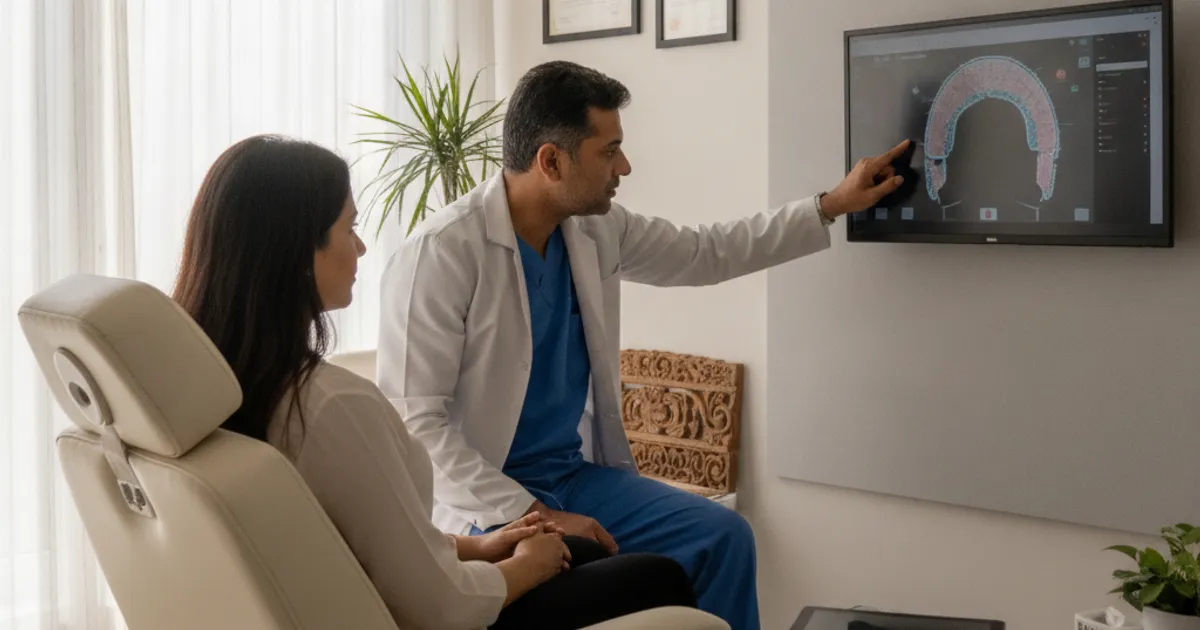
Choosing an alopecia treatment center is not just about finding the lowest price or the flashiest website. It is about finding a clinic that matches your type of hair loss, your budget, and your comfort level with the procedure. Alopecia is a broad term. It covers everything from small patches of hair loss to full scalp baldness, and the right treatment plan depends heavily on your diagnosis. A good center will start with a proper assessment, not a sales pitch. They will explain what is causing your hair loss and whether a transplant is even the right option. If a clinic jumps straight to booking a surgery without examining your scalp or asking about your medical history, that is a sign to keep looking.
- A clear diagnosis process, including blood tests or scalp biopsies if needed
- Surgeons who specialize in alopecia, not just general cosmetic procedures
- Transparent pricing with no hidden fees for consultations or follow-ups
- Before-and-after photos of real patients with your type of hair loss
- A written treatment plan that explains the technique, graft count, and recovery timeline
- Access to aftercare support, including medication and follow-up visits
Planning Your Treatment: Questions to Ask Before You Commit
Once you have a shortlist of centers, the next step is to ask direct questions. This is your chance to separate clinics that are organized and honest from those that are vague or pushy. Write these down and bring them to your consultation. A reputable center will welcome the questions. If they dodge or rush you, that tells you something important about how they will treat you after you pay.
How to Compare Alopecia Treatment Centers
Comparing centers side by side makes the decision much easier. You are not just comparing prices. You are comparing what you get for that price, how convenient the location is, and how much support you receive before and after the procedure. Use a simple table to keep track. Fill it in after each consultation so you are working from facts, not impressions.
| Factor | What to Check | Why It Matters |
|---|---|---|
| Surgeon experience | Years in practice, alopecia-specific cases | Directly affects graft survival and natural look |
| Technique | FUE, FUT, or combination | Determines scarring, recovery time, and cost |
| Consultation | Free or paid, in-person or online | Affects your upfront cost and convenience |
| Aftercare | Follow-up visits, medication, support line | Reduces risk of complications and poor growth |
| Location | Travel time, airport pickup, accommodation | Adds to total cost and stress if not planned |
| Pricing | All-inclusive vs. itemized | Helps you avoid surprise charges later |
What's Included in a Treatment Plan (and What's Not)
Treatment plans vary widely between centers. Some quote a single price that covers everything from the consultation to the final follow-up. Others quote a base price and charge extra for medications, PRP sessions, or accommodation. Neither approach is automatically better, but you need to know which one you are getting. Ask for a written breakdown. If a clinic cannot provide one, that is a problem. Also ask whether the quoted price includes treatment for the underlying cause of your alopecia, such as medication for autoimmune-related hair loss. A transplant alone will not stop ongoing hair loss if the cause is not managed.
- Pre-operative consultation and scalp analysis
- Blood tests or other diagnostic procedures
- The surgical procedure itself, including anesthesia
- Post-operative medications, such as antibiotics or pain relief
- PRP therapy or other add-on treatments
- Follow-up visits within the first year
- Accommodation and airport transfers for out-of-town patients
- A written guarantee or revision policy
Aftercare and Recovery: What to Expect
Recovery from an alopecia treatment procedure is not complicated, but it does require patience. The first few days are the most delicate. You will need to sleep upright, avoid touching the graft area, and follow your clinic's washing instructions exactly. Most people can return to desk work within a few days, but strenuous exercise and direct sun exposure should wait longer. The timeline below gives you a general idea of what to expect. Your clinic may adjust these based on your specific procedure and health.
Red Flags to Avoid When Choosing a Center
Most alopecia treatment centers are legitimate, but there are bad actors in every market. Knowing the warning signs can save you money, time, and disappointment. The biggest red flag is pressure. If a clinic tries to get you to book surgery on the same day as your consultation, walk away. Good clinics want you to think about it. They also do not promise perfect results. Hair restoration is a medical procedure, and no honest surgeon guarantees a specific outcome. Be wary of prices that seem too low compared to other quotes. That often means corners are being cut on staff, equipment, or aftercare.
- High-pressure sales tactics or same-day surgery discounts
- No clear explanation of who will perform the procedure
- Unwillingness to show real patient results or provide references
- Prices that are dramatically lower than other local clinics
- No written treatment plan or itemized quote
- No aftercare plan or follow-up schedule
- Staff who cannot answer basic questions about alopecia
- Reviews that mention poor communication or hidden fees
Making Your Final Decision
By this point, you should have a shortlist of two or three centers that meet your criteria. The final decision usually comes down to trust and logistics. Which clinic made you feel heard? Which one gave you a clear, written plan? Which one is realistic about what a transplant can and cannot do for your alopecia? If you are traveling for treatment, factor in the cost of flights, accommodation, and time off work. A slightly higher procedure price at a local clinic may end up cheaper than a bargain abroad once you add travel. There is no single best center for everyone. The best one for you is the one that fits your medical needs, your budget, and your comfort level.
- Review your notes and comparison table one more time
- Check that the clinic has answered all your questions in writing
- Confirm the total cost, including travel and aftercare
- Ask about the surgeon's availability on your preferred date
- Make sure you understand the cancellation and revision policies
- Trust your gut. If something feels off, keep looking.
Frequently Asked Questions
How long should I wait before choosing an alopecia treatment center?
There is no fixed timeline, but give yourself at least a few weeks to research, book consultations, and compare options. Avoid rushing into a decision based on a limited-time offer. If your hair loss is active, your doctor may recommend stabilizing it first before considering a transplant.
Can I get a transplant if my alopecia is still active?
It depends on the cause. For some types of alopecia, such as androgenetic alopecia, a transplant can work well even if hair loss is ongoing, as long as you are on medication to slow further loss. For autoimmune-related alopecia, surgeons often wait until the condition is stable. Your consultation should cover this.
What is the most important factor when choosing a center?
Surgeon experience and honesty. A skilled surgeon who specializes in alopecia will give you a realistic plan and better results. Honesty matters because you need to know what the procedure can and cannot achieve for your specific type of hair loss.
Should I choose a clinic based on price alone?
No. Price is one factor, but it should not be the only one. A low price may mean fewer grafts, less experienced staff, or no aftercare. Compare what is included in the price, not just the number. The cheapest option is rarely the best value in hair restoration.
Understanding Your Type of Alopecia Before You Choose a Center
Alopecia is an umbrella term, and the type you have changes what a center can realistically do for you. Knowing the basics before you consult helps you judge whether a clinic is diagnosing you properly or simply selling a procedure. Two people with the same amount of visible hair loss can need very different plans.
- Androgenetic alopecia (pattern hair loss) is progressive and driven largely by genetics and hormones. It usually responds to ongoing medical treatment, and transplants work best when the loss has stabilized.
- Alopecia areata is an autoimmune condition that causes patches of loss and can be unpredictable. It may improve on its own or with medical therapy, and surgery during an active flare is generally not advised.
- Scarring alopecias (such as lichen planopilaris or frontal fibrosing alopecia) destroy hair follicles permanently. These need a firm diagnosis, often via biopsy, and control of the inflammation before any transplant is considered.
- Traction alopecia comes from sustained tension on the hair, often from tight styling. Early cases can recover once the tension stops; later cases may leave permanent loss.
- Telogen effluvium is a temporary shedding response to stress, illness, or other triggers. It usually resolves, so rushing to surgery can be a mistake.
The practical takeaway: a center that treats every patient the same way is not assessing you as an individual. Ask directly how they confirm your diagnosis and whether they would ever decline to operate. A clinic willing to say no to surgery when it is not appropriate is usually a better sign than one that says yes to everyone.
Who Should Actually Perform Your Procedure
The person doing the incisions and placing grafts matters more than the clinic's branding. In many markets, the surgeon's role versus that of technicians varies widely, and it is reasonable to ask exactly who will be involved in each stage of your procedure. Some clinics have the surgeon design the hairline and make incisions while trained technicians extract and implant grafts; others have the surgeon present throughout. Neither model is automatically wrong, but you should know which one you are paying for.
- Ask who extracts the grafts, who makes the recipient sites, and who places the grafts, and confirm this in writing.
- Ask how many procedures the surgeon performs and whether they focus on hair restoration or spread across many cosmetic treatments.
- Check that the clinic can describe its licensing, accreditation, and how it handles complications or emergencies.
- Ask what happens if a staff member is unavailable on your surgery date and who the backup is.
- Confirm whether the quoted price changes if a different team member performs part of the work.
Realistic Expectations, Risks, and the Long View
A transplant moves hair; it does not create new hair. The density you end up with depends on your donor supply, the size of the area being treated, and how well the grafts take. It is common for transplanted hair to shed in the weeks after surgery before regrowing, and final results typically take many months to mature. Planning around that timeline, rather than expecting immediate change, prevents a lot of disappointment.
Every procedure carries risks, and an honest center will discuss them without being asked. These include infection, scarring, poor graft survival, an unnatural-looking hairline, and continued loss of native hair that can leave gaps around transplanted areas over time. Ongoing medical treatment is often part of the plan precisely because surgery alone does not stop progressive hair loss.
- Ask how the clinic manages a poor result and what a revision policy actually covers, including any additional cost.
- Ask what medical therapy they recommend alongside surgery and how long you would need to stay on it.
- Understand that results are gradual and that you will likely need to be patient for the better part of a year.
- Plan for the possibility that you may want or need further treatment later, and ask how the clinic handles returning patients.
Common Questions Patients Ask
Can I have a transplant if my hair loss is still active?
It depends on the cause. For progressive pattern loss, surgeons often prefer to see the loss stabilized with medical treatment first, because operating on an unstable scalp can lead to gaps as native hair continues to thin. For conditions like alopecia areata or scarring alopecias, active disease usually needs to be controlled before surgery is considered. Ask the clinic how they assess stability in your case.
How soon can I go back to normal life?
Most people can return to desk work within a few days, but healing and graft security vary by procedure and individual. Strenuous exercise, swimming, and direct sun exposure generally need to wait longer. Follow your clinic's written aftercare instructions rather than general advice online, since they know your specific procedure.
Is a cheaper clinic always a bad choice?
Not necessarily, but a price that is dramatically lower than others in the same market often means something is being reduced, whether that is staff time, equipment, or aftercare. Compare what is included, not just the headline number, and be wary if a clinic cannot give you an itemized written quote.
What should I bring to a consultation?
Bring a list of your medications, any relevant medical history, photos showing how your hair loss has changed over time, and your written questions. Taking notes and asking for answers in writing makes it much easier to compare centers fairly afterward.
How do I verify a clinic's claims?
Ask for real patient references you can contact, look for independent reviews that mention communication and aftercare, and confirm licensing and accreditation directly rather than relying on the clinic's own materials. A center confident in its work will not resist these requests.
More Guides
- How Long After Finasteride Before a Hair Transplant?
Planning a hair transplant while on finasteride? Learn the typical waiting period, why timing matters, and how to coordinate with your surgeon for best results.
- Early Symptoms of Hair Loss: What to Watch For First
Learn the early symptoms of hair loss, how to track them, and when to see a specialist. Plan ahead with treatment options and costs.
- Alopecia Treatment: A Comprehensive Guide
A practical guide to alopecia treatment: types, diagnosis, medications, surgery, recovery timeline, and aftercare. Plan your hair restoration with confidence.
- Hair Loss Causes: What You Can and Can't Control
Understand hair loss causes, what's controllable, and how to plan a transplant. Practical guide to factors, aftercare, and when to see a specialist.