
Hairline Design Consultation: What to Expect & Ask
Learn what a hairline design consultation involves, what to ask, costs, recovery, and how it compares to alternatives. Your complete guide to natural results.
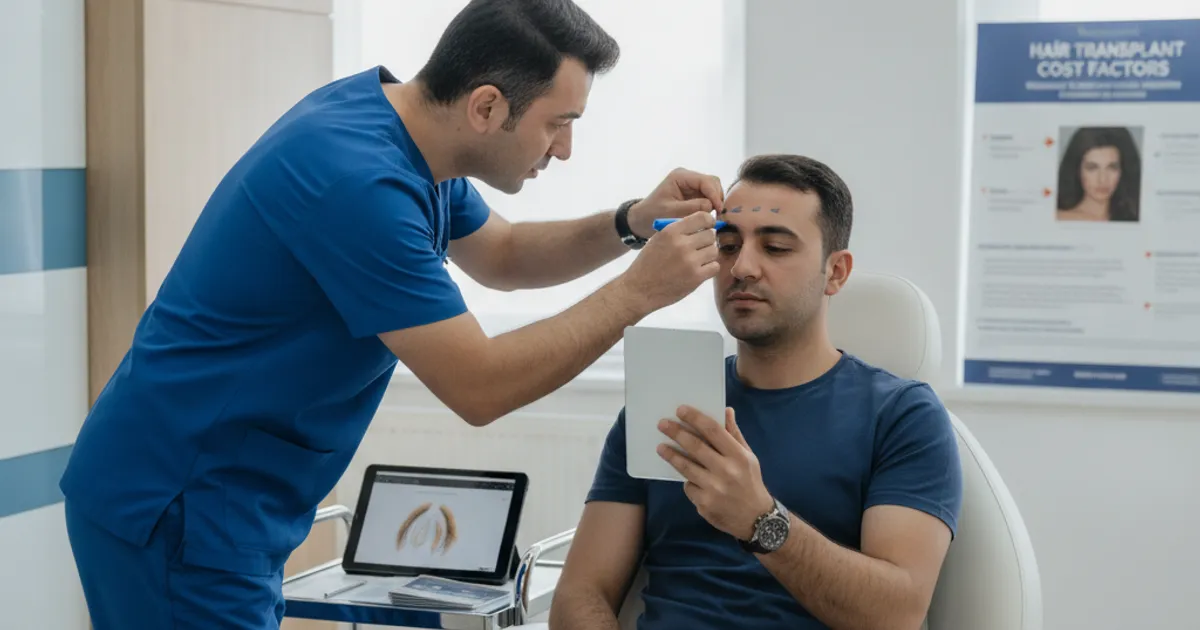
What Is a Hairline Design Consultation?
A hairline design consultation is a pre-surgical appointment where a hair restoration surgeon maps out the exact shape, position, and density of your new hairline. It's not just a quick chat about how many grafts you need. It's a detailed planning session that combines art and anatomy to create a hairline that looks natural for your face, age, and future hair loss pattern. During this visit, the doctor examines your donor area, assesses your hair characteristics, and uses measurements and sometimes digital imaging to sketch a design. You'll discuss your goals, and the surgeon will explain what's realistic. This consultation is the blueprint for your entire transplant, so getting it right is critical.
Why Hairline Design Matters for Natural Results
The difference between a good hair transplant and a great one often comes down to the hairline. A poorly designed hairline looks pluggy, too low, too straight, or incompatible with your facial proportions. It can also waste precious donor grafts if the design doesn't account for future balding. A well-designed hairline mimics the irregular, soft transition zones of natural hair, with micro- and macro-irregularities that avoid a harsh line. It also considers the direction of hair growth, the angle of the follicles, and the density gradient from front to back. Getting this right means you can wear your hair short, style it up, or comb it back without revealing surgery. It's the single most visible outcome of the procedure.
- Facial proportions: The hairline should complement your forehead height, eyebrow position, and overall face shape.
- Age-appropriate placement: A youthful low hairline on a mature face can look unnatural and may not age well.
- Future-proofing: The design must consider potential future hair loss so you don't end up with isolated patches.
- Graft distribution: A natural hairline uses single-hair grafts at the front and gradually thicker grafts behind for density.
- Hair direction and angle: Follicles must be placed at the same angles as your natural hair to blend seamlessly.
How a Hairline Design Consultation Is Performed
The consultation usually takes 30 to 60 minutes and follows a structured process. It starts with a medical history and hair loss assessment, then moves to physical examination and design. Some clinics use digital tools like hairline simulation software or 3D imaging to show you a preview. Others rely on manual measurements and marking with a surgical pen. You'll be involved in the decision-making, so speak up if you have preferences. The surgeon will also discuss the number of grafts needed, the technique (FUE or FUT), and the expected density. At the end, you should leave with a clear plan and a cost estimate.
What to Ask During Your Consultation
The consultation is a two-way street. You need to gather enough information to make an informed decision. Don't be shy about asking about the surgeon's experience, the clinic's protocols, and what happens if you're not happy with the result. Here are key questions to cover, followed by a quick-reference table of the most important ones.
- How many hair transplant procedures have you performed, and how many specifically for hairline design?
- Can you show me before-and-after photos of patients with similar hair loss and hair type?
- What technique do you recommend for me and why?
- How many grafts do you estimate, and how do you distribute them across the zones?
- What is the expected density, and how will it look as I age?
- What are the risks and possible complications?
- What is the total cost, and what does it include?
- What is the recovery timeline, and when can I return to work and exercise?
- Do you offer a guarantee or touch-up policy?
- Who will perform the surgery—you or technicians?
| Question | Why It Matters |
|---|---|
| How many procedures have you done? | Experience directly impacts natural results and complication rates. |
| Can I see photos of similar cases? | Helps you judge the surgeon's aesthetic style and consistency. |
| What's the graft distribution plan? | Ensures the hairline transitions naturally and doesn't waste grafts. |
| What's included in the price? | Avoids surprise costs for medications, PRP, or follow-ups. |
| What's the touch-up policy? | Protects you if density is lower than expected. |
Recovery and Results: What to Expect After Surgery
Recovery from a hair transplant is gradual. The first few days involve scabbing and tenderness. By day 10, most scabs are gone. Shock loss of transplanted hair is normal and happens around weeks 2 to 4. New hair starts to grow around month 3 to 4, with noticeable improvement by month 6. Final results take 12 to 18 months. The timeline below gives a realistic picture.
Who Is a Good Candidate for a Hairline Design Consultation?
Almost anyone concerned about hairline recession can benefit from a consultation, but the best candidates share certain traits. You should have realistic expectations, stable hair loss (or be on medication to stabilize it), and sufficient donor hair. Age matters too—surgeons often prefer patients over 25 because hair loss patterns are clearer. If you have active scalp infections, uncontrolled medical conditions, or unrealistic goals, you may be advised to wait or reconsider.
- You have noticeable hairline recession or thinning at the front.
- Your donor area (back and sides) has good density and quality.
- Your hair loss has stabilized or you're willing to use medication to maintain it.
- You're in good general health and can undergo a minor surgical procedure.
- You understand that results take months and may require a second session for optimal density.
- You have realistic expectations about density and coverage.
Cost of a Hairline Design Consultation
The consultation itself is often free, but some clinics charge a nominal fee that may be credited toward surgery. The real cost is the transplant procedure, which varies by stage of hair loss, clinic location, and surgeon expertise. Below are average case prices by stage. These are medians and should be used as a rough guide only. Always get a personalized quote.
| Stage of Hair Loss | Average Cost (USD) | What It Typically Covers |
|---|---|---|
| Early (Norwood 2–3) | $3,000 | 1,000–1,500 grafts, hairline refinement |
| Moderate (Norwood 4–5) | $5,500 | 2,000–3,000 grafts, hairline and mid-scalp |
| Advanced (Norwood 6–7) | $8,500 | 3,500+ grafts, extensive coverage, may need two sessions |
How Hairline Design Compares to Alternatives
A hair transplant with careful hairline design is a permanent way to restore a receding hairline. But it's not the only option. Medications like finasteride and minoxidil can slow loss and sometimes regrow hair, but they don't restore a hairline. Hair fibers and concealers mask thinning temporarily. Hair systems offer instant coverage but require maintenance. Each has trade-offs in cost, commitment, and results. The comparison below highlights the main differences.
| Option | Cost (USD) | Permanence | Best For |
|---|---|---|---|
| Hair transplant with hairline design | $3,000–$8,500 | Permanent | Those wanting a permanent, natural-looking hairline |
| Medications (finasteride/minoxidil) | $20–$60/month | Ongoing use required | Early stages, slowing loss, maintaining existing hair |
| Hair fibers/concealers | $20–$50/month | Temporary | Camouflaging thinning areas for special occasions |
| Hair system (toupee) | $200–$800 initial, plus maintenance | Temporary (weeks to months) | Instant coverage, non-surgical, reversible |
Choosing the Right Clinic for Your Hairline Design
The clinic and surgeon you choose will make or break your results. Look for board-certified surgeons who specialize in hair restoration and have a portfolio of natural-looking hairlines. Read reviews, watch video testimonials, and ask about their complication rates and touch-up policies. Don't choose based on price alone—cheap transplants often cost more to fix. Also consider location: traveling to a reputable clinic may be worth it. Use our directory to compare clinics and see average prices by city.
- Verify credentials: Board certification in dermatology or plastic surgery, and membership in hair restoration societies.
- Check before-and-after photos: Look for cases similar to your hair type and loss pattern.
- Read patient reviews: Focus on long-term results and aftercare, not just the procedure day.
- Ask about the surgical team: Will the surgeon perform the critical steps, or will technicians do most of the work?
- Discuss the plan: A good clinic will tailor the hairline design to your face and future needs.
- Compare costs transparently: Ensure the quote includes all fees, medications, and follow-ups.
Frequently Asked Questions
Is a hairline design consultation free?
Many clinics offer free consultations, but some charge a fee that may be credited toward surgery. It's best to ask when you book.
How long does a hairline design consultation take?
Typically 30 to 60 minutes, depending on the clinic and the complexity of your case. Some clinics also offer online consultations.
Can I choose my own hairline shape?
You can share your preferences, but the surgeon will advise on what looks natural and is technically feasible. The final design should be a collaboration.
Will the consultation hurt?
No, it's non-invasive. The surgeon may touch your scalp and measure, but there's no pain.
More Guides
- Hair Transplant for Men With Sensitive Skin: What to Know
Hair transplant for men with sensitive skin: techniques, recovery, results, cost factors, and how to choose a clinic that handles eczema or psoriasis.
- What Happens 10 Days After a Hair Transplant?
A clear, honest look at what happens 10 days after a hair transplant: healing, scabs, shedding, results, costs, and who it suits.
- ARTAS Hair Transplant: How It Works and Who It's For
A clear guide to ARTAS hair transplant: how the robotic system works, recovery, results, cost factors, who it suits, and how it compares to other techniques.
- Facial Hair Transplant: Procedure, Recovery & Results
A clear guide to facial hair transplant: how it works, recovery timeline, results, who suits it, cost, and how it compares to alternatives.