
How to Shampoo Correctly to Minimize Hair Loss in the Shower
Learn how to shampoo correctly to minimize hair loss in the shower. Step-by-step guide, shampoo tips, and aftercare advice for healthier hair.
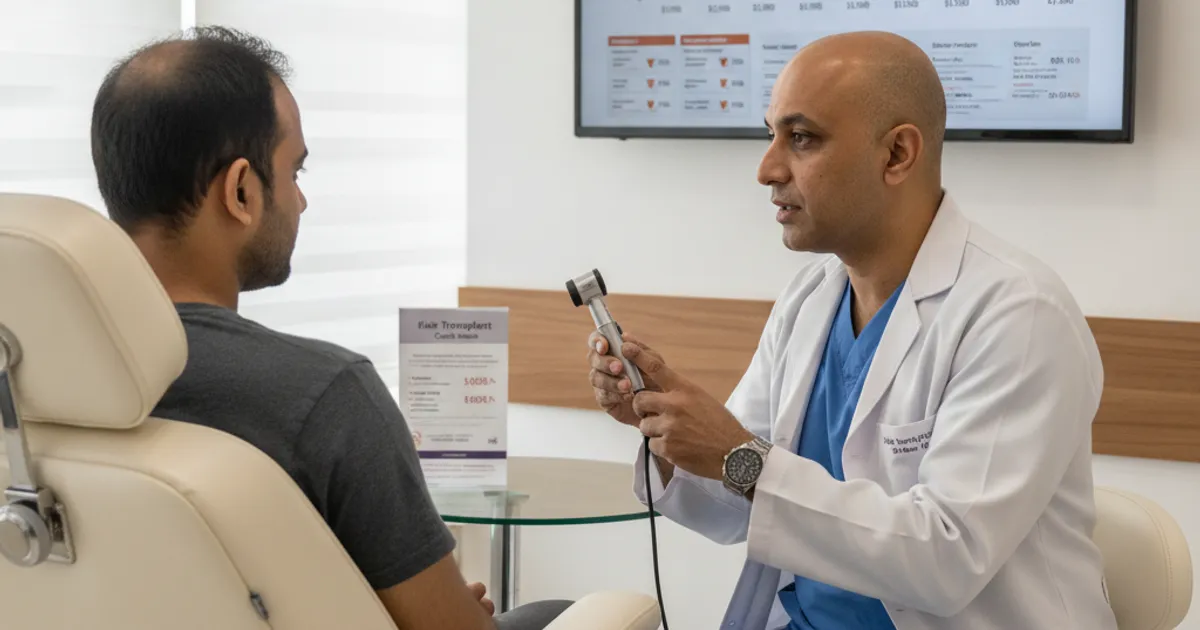
If you're worried about hair loss, the shower can feel like a crime scene. You see strands on your hands, in the drain, on the shower wall. It's easy to panic. But here's the truth: some shedding in the shower is normal. The question is whether your shampooing technique is making it worse. Learning how to shampoo correctly to minimize hair loss is one of the simplest things you can do to protect the hair you have. This guide walks you through the science, the steps, and the aftercare plan if you're seeing more shedding than usual.
Why Shampooing Technique Matters for Hair Loss
Hair goes through natural cycles of growth, rest, and shedding. On any given day, it's normal to lose dozens of strands. Many of those come out in the shower because water and friction loosen hairs that were already in the shedding phase. That doesn't mean shampooing causes permanent hair loss. But rough handling, harsh products, and aggressive scrubbing can pull out hairs that would otherwise stay put. Over time, that adds up. Good technique won't regrow hair, but it can reduce unnecessary breakage and shedding.
The Science of Hair Shedding in the Shower
When you wash your hair, you're doing several things at once: wetting the shaft, massaging the scalp, and applying friction. Each of these can dislodge hairs that were already loose. The key is to understand what's normal and what's not.
- Normal shedding: 50–100 hairs per day, with many coming out during washing.
- Telogen effluvium: a temporary increase in shedding after stress, illness, or hormonal changes.
- Breakage vs. shedding: breakage snaps the hair mid-shaft; shedding comes from the root with a white bulb.
- Scalp health: inflammation or buildup can weaken follicles and increase shedding.
- Product residue: heavy conditioners or styling products can clog follicles and cause irritation.
If you're seeing clumps of hair or a sudden change in shedding, that's a signal to adjust your routine and possibly see a professional.
Step-by-Step: How to Shampoo Correctly to Minimize Hair Loss
This routine takes a few extra minutes but makes a real difference. The goal is to clean the scalp without traumatizing the follicles.
Choosing the Right Shampoo for Hair Loss
Not all shampoos are created equal. If you're dealing with thinning hair or excessive shedding, look for formulas that are gentle and support scalp health. Avoid anything that leaves your scalp tight, itchy, or irritated.
- Sulfate-free: gentler on the scalp and less likely to strip natural oils.
- pH-balanced: helps maintain the scalp's natural barrier.
- Ketoconazole or zinc pyrithione: may help with dandruff and inflammation linked to shedding.
- Biotin or caffeine: some evidence they support hair strength, though results vary.
- Avoid heavy silicones and parabens if you have sensitive skin.
- Patch-test new products to rule out allergic reactions.
If you have a diagnosed condition like androgenetic alopecia, your dermatologist may recommend a medicated shampoo. Otherwise, a gentle, sulfate-free option is a safe starting point.
Common Shampooing Mistakes That Increase Hair Loss
- Using hot water: strips oils and irritates the scalp.
- Scrubbing with fingernails: causes micro-tears and inflammation.
- Applying shampoo to the ends: dries out hair and causes breakage.
- Over-washing: can strip natural oils and lead to compensatory oil production.
- Rubbing hair with a rough towel: causes friction and breakage.
- Brushing wet hair aggressively: wet hair is more fragile.
- Using too much product: leaves residue that clogs follicles.
Fixing even one or two of these habits can reduce the amount of hair you see in the drain.
Aftercare and Planning: What to Do If You Notice Excessive Shedding
If you're consistently losing more hair than usual, don't ignore it. Start by tracking your shedding for a few weeks. Take photos, note how much you see in the shower, and pay attention to other factors like stress, diet, and medications.
- Keep a shedding diary: note daily loss and any changes in routine.
- Review your diet: iron, zinc, vitamin D, and protein deficiencies can contribute to shedding.
- Manage stress: chronic stress can trigger telogen effluvium.
- Check your medications: some drugs list hair loss as a side effect.
- See a dermatologist or trichologist if shedding persists beyond a few weeks.
- Consider a scalp biopsy or blood tests to rule out underlying conditions.
If you're planning a hair transplant, good shampooing habits are part of your aftercare. Your clinic will give you specific instructions for the first few weeks post-op. Follow them closely.
When to Consider Professional Treatment: A Brief Overview
Shampooing correctly can minimize avoidable hair loss, but it won't reverse genetic or hormonal hair loss. If you're seeing a receding hairline, thinning crown, or widening part, it may be time to explore medical or surgical options. Treatments range from topical minoxidil and oral finasteride to PRP therapy and hair transplant surgery. A dermatologist can help you decide what's appropriate for your stage of hair loss.
If you're considering a hair transplant, costs vary by stage of hair loss. On Clinic Reccy, averaged case pricing for early hair loss is typically lower than for advanced cases. These are general ranges; actual quotes depend on your donor supply, clinic, and location.
Frequently Asked Questions
Is it normal to lose hair when shampooing?
Yes. It's normal to shed 50–100 hairs per day, and many come out during washing. If you're losing clumps or noticing a sudden increase, that's worth investigating.
Can shampooing cause permanent hair loss?
No. Shampooing doesn't cause permanent hair loss. But rough technique can pull out hairs that were already loose and cause breakage. Gentle washing helps protect the hair you have.
How often should I shampoo if I'm losing hair?
There's no one-size-fits-all answer. Most people do well washing every other day or 2–3 times per week. If you have an oily scalp, daily washing with a gentle shampoo is fine. The key is to avoid over-stripping.
Should I switch to a hair loss shampoo?
If you have dandruff or scalp inflammation, a medicated shampoo with ketoconazole or zinc pyrithione may help. Otherwise, a gentle, sulfate-free shampoo is a good choice. Talk to a dermatologist if you're unsure.
How Water Quality and Temperature Affect Hair Shedding
The water you wash with can influence how much hair you see in the drain. Hard water contains dissolved minerals like calcium and magnesium, which can leave a film on the hair and scalp. This residue may make hair feel rough and lead to more friction during washing, potentially increasing breakage. If you live in a hard water area, consider installing a shower filter or using a chelating shampoo once a week to remove mineral buildup. Water temperature also matters: hot water strips natural oils and can irritate the scalp, while lukewarm water is gentler and still effective for cleaning. Rinsing with cool water at the end of your shower can help seal the hair cuticle and reduce frizz, making hair less prone to tangling and breakage.
The Role of Diet and Supplements in Shower Shedding
What you eat affects the health of your hair follicles and how well they hold onto hair. Deficiencies in key nutrients can push more hairs into the shedding phase, making shower shedding more noticeable. While shampooing technique can reduce unnecessary loss, addressing nutritional gaps is equally important. Focus on a balanced diet rich in protein (hair is mostly protein), iron, zinc, vitamin D, and B vitamins like biotin. If you suspect a deficiency, ask your doctor for blood tests before starting supplements—taking extra nutrients without a deficiency rarely helps and can sometimes cause harm. A dermatologist or registered dietitian can guide you on appropriate supplementation if needed.
Post-Transplant Shampooing: What to Expect Week by Week
If you've had a hair transplant, your scalp is healing and the newly implanted grafts are fragile. Shampooing correctly during the first few weeks is critical to protect the grafts and avoid complications. Your clinic will provide specific instructions, but here is a general timeline of what to expect. Always follow your surgeon's advice over general guidance.
- Days 1–3: Do not wash the scalp unless instructed. The clinic may perform the first wash. Avoid getting the graft area wet beyond what they advise.
- Days 4–7: Begin gentle washing with a mild shampoo, using only fingertips to lightly pat the area. Do not rub or scrub. Rinse with lukewarm water using a cup or low-pressure showerhead.
- Week 2: Crusts may start to loosen. Continue gentle washing. Some clinics allow more normal washing by the end of this week, but avoid direct water pressure on the grafts.
- Weeks 3–4: Most scabs should be gone. You can gradually return to your regular gentle shampooing routine, but still avoid aggressive scrubbing or hot water.
- Month 2 onward: Usually safe to resume normal washing, but continue to use gentle techniques to protect the transplanted area as it heals and grows.
Frequently Asked Questions
Can shampooing cause permanent hair loss?
No, shampooing does not cause permanent hair loss. It can dislodge hairs that are already in the shedding phase or cause breakage if you are rough, but the follicle remains intact and will grow new hair. Permanent hair loss is typically due to genetics, hormones, or medical conditions.
How often should I wash my hair if I'm experiencing hair loss?
There is no one-size-fits-all answer. For most people, washing every 1–3 days is sufficient. If you have an oily scalp, you may need to wash daily with a gentle shampoo. Over-washing can strip oils and irritate the scalp, so adjust based on your scalp's needs.
Should I use a scalp massager?
A soft silicone scalp massager can help distribute shampoo and stimulate blood flow, but use it gently. Avoid harsh bristles or vigorous scrubbing, which can damage hair and scalp. If you have a transplant, wait until your surgeon approves its use.
What is the best way to dry my hair after washing to minimize loss?
Pat your hair gently with a soft microfiber towel or an old cotton t-shirt to absorb water. Avoid rubbing vigorously. Let your hair air-dry when possible, or use a blow dryer on a low heat and low speed setting, keeping it at a distance.
More Guides
- Alopecia Treatment: A Comprehensive Guide
A practical guide to alopecia treatment: types, diagnosis, medications, surgery, recovery timeline, and aftercare. Plan your hair restoration with confidence.
- Hair Loss Causes: What You Can and Can't Control
Understand hair loss causes, what's controllable, and how to plan a transplant. Practical guide to factors, aftercare, and when to see a specialist.
- Male Hair Transplant: What Every Man Should Know
A practical guide to male hair transplant planning and recovery: candidacy, FUE vs FUT, costs by stage, week-by-week aftercare, and clinic vetting tips.
- Hair Transplant and Hair Dye: When Can You Color Again?
When can you dye your hair after a transplant? Get a clear recovery timeline, risks of coloring too soon, and tips for choosing safe dye. Plan your aftercare.