
Itching After Hair Transplant: Causes & Relief Guide
Itching after a hair transplant is common. Learn why it happens, safe relief tips, and warning signs to watch for during recovery.
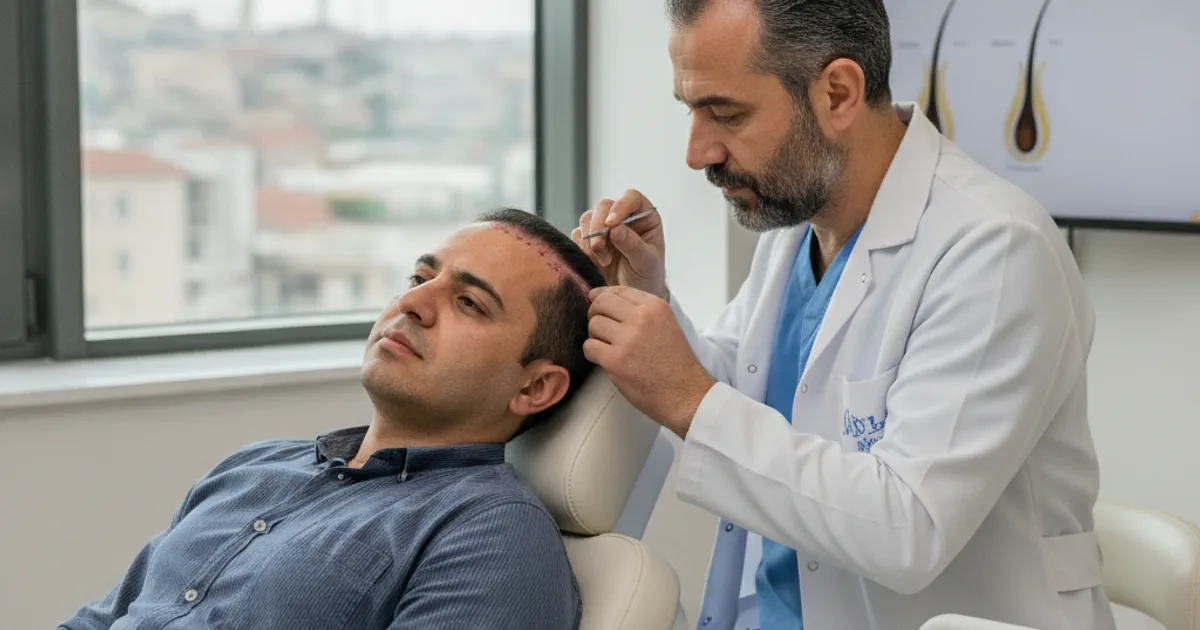
Why Does Your Scalp Itch After a Hair Transplant?
If you've just had a hair transplant, you're probably dealing with an itchy scalp. It's one of the most common complaints during the first couple of weeks. The good news: in most cases, itching after a hair transplant is a normal part of healing. Your scalp is repairing itself, and that process triggers all sorts of sensations. The key is knowing what's expected, what's not, and how to get relief without damaging your new grafts.
- Itching is usually a sign of healing, not a problem.
- It typically peaks in the first few days and fades over a few weeks.
- Scratching can dislodge grafts — resist the urge.
- Severe pain, pus, or spreading redness are not normal — contact your clinic.
Is Itching Normal? What's Expected vs. What's Not
Mild to moderate itching is completely normal after a hair transplant. Your body is releasing histamines as part of the inflammatory response, and the tiny wounds are closing up. But not all itching is harmless. Here's a quick comparison to help you tell the difference.
| Expected (Normal) | Not Normal (Contact Your Clinic) |
|---|---|
| Mild, intermittent itch | Constant, intense itching that disrupts sleep |
| Slight redness around grafts | Spreading redness or swelling |
| Tenderness when touched | Severe pain or throbbing |
| Small scabs forming and flaking | Pus, foul smell, or yellow discharge |
| Itch fades gradually over a few weeks | Itch gets worse after the first week |
The Healing Timeline: When Itching Peaks and Fades
Everyone heals at a slightly different pace, but the pattern is fairly predictable. Knowing what to expect day by day can help you stay calm and avoid scratching. Note: these timelines are general and may vary based on your surgeon's protocol and your individual healing.
| Timeframe | What's Happening | Itch Level |
|---|---|---|
| First few days | Tiny wounds close, inflammation peaks | Mild to moderate |
| End of first week | Scabs form, scalp tightens | Moderate — often the itchiest phase |
| Second week | Scabs flake off, new hair starts shedding | Decreasing |
| Third to fourth week | Skin mostly healed, shedding continues | Occasional, mild |
| Second to third month | Grafts settle, new growth begins | Rare, if any |
Common Causes of Post-Transplant Itching
Several things can make your scalp itch after a transplant. Some are part of normal healing; others are avoidable.
- Histamine release — your immune system responds to the micro-injuries.
- Dry scalp — the shampoo or aftercare routine may strip natural oils.
- Scab formation — as scabs dry and tighten, they pull on the skin.
- Folliculitis — mild inflammation around hair follicles, common after surgery.
- Product reaction — some shampoos or ointments can irritate sensitive skin.
- Tightness from swelling — fluid retention can make the scalp feel tight and itchy.
- New hair growth — as grafts start producing hair, it can irritate nerve endings.
How to Relieve Itching Safely: Do's and Don'ts
You can't scratch, but you can find relief. Here's what works and what to avoid.
| Do | Don't |
|---|---|
| Use a cold compress on the forehead or back of neck | Scratch, pick, or rub the grafts |
| Follow your clinic's washing instructions exactly | Use harsh shampoos or hot water |
| Keep the scalp moisturized with approved products | Apply random creams or oils without asking |
| Take antihistamines if your doctor approves | Use steroid creams unless prescribed |
| Sleep with your head elevated to reduce swelling | Wear tight hats or helmets |
| Distract yourself — itching usually passes in minutes | Exercise heavily or sweat excessively in the first week |
Warning Signs: When to Call Your Clinic
Most itching resolves on its own. But some symptoms mean you should pick up the phone.
- Itching that gets worse after the first week instead of better.
- Redness, swelling, or pain that spreads beyond the transplant area.
- Pus, yellow crusting, or a foul smell.
- Fever or chills.
- Grafts falling out with blood or pus.
- Itching so severe it prevents sleep for more than two nights.
Planning Ahead: Choosing a Clinic That Supports Your Recovery
The best time to think about aftercare is before you book. A clinic that provides clear post-op instructions, easy access to follow-up, and a written recovery plan will make your first two weeks much easier. When comparing clinics, ask about their aftercare protocol, how quickly you can reach a nurse or doctor, and whether they offer remote check-ins. You can browse clinics and read recovery-focused reviews on Clinic Reccy to find a provider that takes aftercare seriously.
Aftercare Products and Habits That Help
You don't need a cabinet full of products. A few simple items and habits can keep itching under control.
- Gentle, fragrance-free shampoo recommended by your clinic.
- Saline spray to keep the scalp moist without heavy creams.
- Cold gel packs wrapped in a cloth — never directly on grafts.
- Loose, breathable hats if you must cover up outdoors.
- A humidifier in your bedroom if the air is dry.
- Plenty of water and anti-inflammatory foods (berries, leafy greens, fatty fish).
- A travel neck pillow to avoid rolling onto the grafts at night.
Frequently Asked Questions About Itching After Hair Transplant
How long does itching last after a hair transplant?
Most people experience itching for a few weeks. It usually peaks in the first week and gradually fades as scabs fall off and the skin heals. If itching persists beyond a month or gets worse, check with your clinic.
Can I scratch my scalp after a hair transplant?
No. Scratching can dislodge grafts and lead to infection or poor growth. Use cold compresses, approved moisturizers, or antihistamines (if your doctor says it's okay) to manage the urge.
What can I put on my scalp to stop itching?
Stick to what your clinic recommends. Usually that means a gentle saline spray, a prescribed ointment, or a mild moisturizer. Avoid random oils, steroid creams, or heavy products unless your surgeon approves them.
Is itching a sign of infection?
Not by itself. Normal itching is part of healing. But if itching comes with spreading redness, pus, severe pain, or fever, it could be an infection — contact your clinic right away.
Itching after a hair transplant is annoying, but it's usually a sign that your body is doing its job. Follow your clinic's instructions, resist the urge to scratch, and keep an eye out for anything unusual. With a little patience, the itch will pass — and you'll be left with the results you paid for.
More Guides
- Hair Transplant Graft Count: How Many Do You Need?
How many grafts for a hair transplant? Learn how graft counts are estimated, typical ranges by Norwood stage, and what to confirm before surgery.
- How to Choose a Hair Transplant Surgeon: Credentials to Check
Learn how to choose a hair transplant surgeon by checking credentials, board certification, training, and real patient results. A practical guide.
- Costco Finasteride: Price, Membership & Prescription Steps
A practical guide to getting finasteride at Costco: membership rules, prescription steps, generic vs. brand costs, and aftercare planning.
- Smoking and Hair Transplant Healing: What to Know
Smoking slows hair transplant healing and threatens graft survival. Learn why to stop before surgery, how long to avoid nicotine after, and recovery tips.