
Traction Alopecia: Causes, Treatment and Hair Transplant
Traction alopecia explained: causes, symptoms, diagnosis, treatment options including hair transplant, and prevention tips. A complete guide.
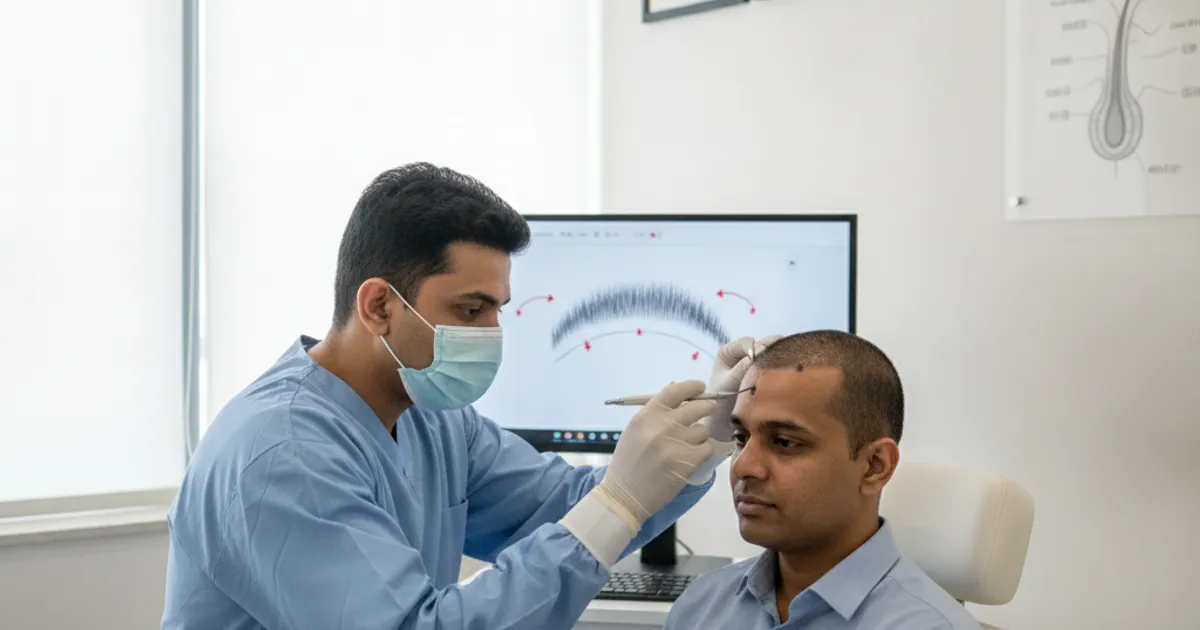
What Is Traction Alopecia?
Traction alopecia is a type of hair loss caused by prolonged or repeated tension on the hair follicles. It most commonly affects people who wear tight hairstyles such as braids, cornrows, tight ponytails, buns, or extensions. Over time, the constant pulling damages the hair follicles, leading to thinning and eventually permanent hair loss if the tension is not stopped. Unlike some other forms of alopecia, traction alopecia is entirely preventable in most cases, and early intervention can reverse the damage before it becomes permanent.
Causes of Traction Alopecia
The root cause is mechanical stress on the hair follicles. When hair is pulled tightly for long periods, the follicle becomes inflamed and eventually scarred. This scarring can permanently destroy the follicle's ability to grow hair. While anyone can develop traction alopecia, it is more common in people with certain hair types and styling practices. Here are the main causes:
- Tight hairstyles: braids, cornrows, dreadlocks, tight ponytails, buns, and hair extensions that pull at the roots.
- Frequent use of chemical relaxers or perms, which can weaken hair and make it more susceptible to tension damage.
- Wearing tight headbands, hats, or helmets that rub against the hairline.
- Repeated styling without giving hair a break, especially if the same area is pulled consistently.
- Underlying conditions like trichotillomania (hair-pulling disorder) that cause repetitive pulling.
Symptoms and Early Warning Signs
Traction alopecia usually develops gradually. The first signs are often subtle, and many people dismiss them as normal shedding. Recognizing the early symptoms is crucial because once the follicles are scarred, hair loss becomes permanent. Here's what to look out for:
- Thinning hair along the hairline, especially around the temples and forehead.
- Small bumps or pimples on the scalp where hair is pulled.
- Redness, itching, or tenderness in the affected areas.
- Broken hairs or short, stubbly hairs along the edge of the scalp.
- Widening of the part or a receding hairline that doesn't follow a typical male pattern.
- In advanced stages, smooth, shiny patches of scalp where hair no longer grows.
How Traction Alopecia Is Diagnosed
Diagnosis is usually straightforward and starts with a physical examination and a detailed history of your hair care routine. A dermatologist or trichologist will look for patterns of hair loss that match tension areas. They may also use a dermoscope to examine the scalp closely. In some cases, a scalp biopsy might be done to rule out other conditions like scarring alopecia or androgenetic alopecia. Here's what the diagnostic process typically involves:
- Medical history: questions about hairstyles, styling frequency, and any pulling habits.
- Physical exam: checking for thinning patterns, redness, and broken hairs.
- Dermoscopy: using a magnifying tool to look at follicle openings and scalp health.
- Pull test: gently pulling a few hairs to see how easily they come out.
- Biopsy (rare): taking a small scalp sample to check for scarring or other conditions.
Treatment Options for Traction Alopecia
Treatment depends on how early you catch it. If the follicles are not yet scarred, simply stopping the tight hairstyles can allow hair to regrow. However, if scarring has occurred, hair may not return without intervention. Medical treatments like minoxidil, finasteride (for men), and platelet-rich plasma (PRP) therapy can help stimulate regrowth in some cases. For permanent loss, a hair transplant may be an option. Below is a comparison of common treatments:
| Treatment | How It Works | Best For |
|---|---|---|
| Minoxidil (topical) | Increases blood flow to follicles, prolongs growth phase | Early traction alopecia, mild thinning |
| Finasteride (oral) | Blocks DHT, a hormone that shrinks follicles | Men with concurrent androgenetic alopecia |
| PRP Therapy | Injects concentrated platelets to stimulate repair | Early to moderate cases, non-scarred follicles |
| Hair Transplant | Moves healthy follicles to bald areas | Permanent scarring, stable donor area |
| Corticosteroids | Reduces inflammation in the scalp | Active inflammation, early stages |
It's important to note that finasteride is not typically used for traction alopecia alone unless there's an underlying androgenetic component. Minoxidil and PRP are more commonly recommended for traction alopecia because they target follicle health directly. Always consult a doctor before starting any treatment.
Is a Hair Transplant Suitable for Traction Alopecia?
A hair transplant can be a viable option for traction alopecia, but only if the hair loss is permanent and the donor area (usually the back of the scalp) is healthy. The key is that the transplanted follicles must be taken from areas not affected by traction. If the scarring is extensive, there may not be enough healthy donor hair to cover the bald patches. Also, if you continue to wear tight hairstyles, the transplanted hair can also be lost. So a transplant is usually considered only after you've stopped the damaging styling habits and the condition has stabilized. Here are some factors to consider:
- The bald areas must be stable (no active inflammation or ongoing hair loss).
- You need a sufficient donor supply of healthy hair follicles.
- You must commit to avoiding tight hairstyles permanently.
- A transplant works best for well-defined bald patches rather than diffuse thinning.
- Results are permanent, but you may need more than one session for larger areas.
If you're considering a hair transplant for traction alopecia, it's essential to choose a qualified surgeon who has experience with this specific condition. They can assess your donor area and discuss realistic expectations.
Related Hair Loss Conditions
Traction alopecia can sometimes be confused with other types of hair loss, and it's possible to have more than one condition at the same time. For example, androgenetic alopecia (male or female pattern baldness) can coexist with traction alopecia, making diagnosis more complex. Other conditions like telogen effluvium (stress-related shedding) or alopecia areata (autoimmune patches) have different causes and treatments. If you're unsure about your type of hair loss, it's worth reading up on the differences.
Preventing Traction Alopecia: Hair Care Tips
Prevention is the best medicine for traction alopecia. By adjusting your hair care routine, you can avoid the condition altogether or stop it from getting worse. Here are some practical tips:
- Avoid tight hairstyles that pull at the roots. Opt for loose braids, buns, or wearing hair down.
- Give your hair regular breaks from styling. Don't keep the same style for weeks on end.
- Avoid chemical relaxers and harsh treatments that weaken hair.
- Use gentle hair ties and accessories that don't tug or break hair.
- If you wear extensions, make sure they are applied loosely and not left in too long.
- Massage your scalp to promote blood flow and relax tension.
- See a dermatologist if you notice early signs of thinning or tenderness.
Frequently Asked Questions
Can traction alopecia be reversed?
Yes, if caught early before scarring occurs. Stopping the tight hairstyles and using treatments like minoxidil can help hair regrow. Once the follicles are scarred, hair loss is permanent and may require a hair transplant.
How long does it take for hair to grow back after traction alopecia?
If the follicles are not permanently damaged, you may see regrowth within a few months after stopping the tension. However, it can take longer, and some hair may not return if scarring has occurred.
Is traction alopecia common in men?
It's more common in women, particularly those who wear tight braids or ponytails. However, men can also develop it from tight hairstyles, hats, or helmets.
Can I get a hair transplant if I have traction alopecia?
Yes, but only if the hair loss is permanent and you have a healthy donor area. You must also commit to avoiding tight hairstyles to protect the transplanted hair.
What treatments are available for traction alopecia?
Treatment options include minoxidil, PRP therapy, corticosteroids for inflammation, and in severe cases, hair transplant surgery. Finasteride is sometimes used if there's an underlying androgenetic component.
How can I prevent traction alopecia?
Avoid tight hairstyles, give your hair breaks from styling, use gentle hair accessories, and avoid chemical treatments. Early detection and changing habits are key.
More Guides
- Minoxidil Contact Dermatitis: Signs and Alternatives
Learn the signs of minoxidil contact dermatitis, how it's diagnosed, treatment options, and alternatives like finasteride, PRP, and hair transplant surgery.
- Can Radiotherapy Cause Hair Loss? What to Expect
Radiotherapy can cause temporary or permanent hair loss. Learn the causes, symptoms, diagnosis, treatment options, and whether a hair transplant is suitable.
- Hair Loss After Illness or High Fever: When Does It Stop?
Hair loss after illness or high fever is usually temporary telogen effluvium. Learn causes, symptoms, diagnosis, treatment, and when a hair transplant may help.
- Can Dandruff Cause Hair Loss? Facts vs Folklore
Does dandruff cause hair loss? We separate fact from folklore, explain the real connection, diagnosis, treatments, and when a hair transplant makes sense.