
When Can I Wear a Hat After a Hair Transplant?
A practical guide to wearing a hat after a hair transplant. Learn the week-by-week timeline, safe hat types, and aftercare tips to protect new grafts.
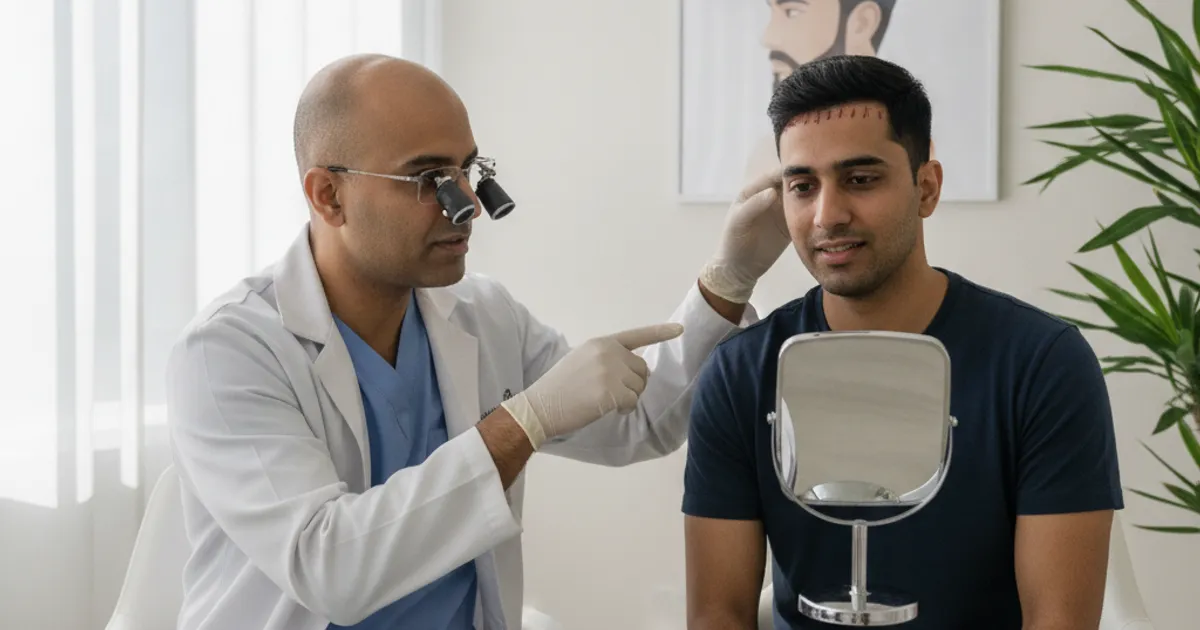
When Can I Wear a Hat After a Transplant? The Short Answer
Most clinics tell patients to avoid wearing a hat for the first 7 to 14 days after a hair transplant. The exact window depends on how quickly your scalp heals and the technique used. After that initial period, you can usually wear a loose-fitting hat for short periods, but you still need to be careful. The new grafts are fragile for the first two weeks, and any friction or pressure can dislodge them. Once the grafts have settled — usually around day 14 — you can start wearing hats more normally, provided they are clean and not too tight.
Why Hats Are a Risk in the First Two Weeks
In the first two weeks, your newly transplanted hair follicles are essentially trying to anchor themselves into the scalp. They are not firmly rooted yet. Any rubbing, pressure, or pulling can dislodge them. Hats sit directly on the recipient area, so they create friction every time you put them on or take them off. Even a gentle adjustment can shift a graft. There is also the risk of infection. A hat traps sweat and bacteria against healing wounds, which can lead to irritation or folliculitis. That is why most surgeons are strict about the no-hat rule early on.
- Friction from putting on or removing a hat can pull out grafts.
- Pressure from a tight band can reduce blood flow to the scalp.
- Sweat trapped under a hat increases infection risk.
- Dirty hats introduce bacteria to open wounds.
- Even loose hats can shift if you move your head suddenly.
A Week-by-Week Hat Timeline for Recovery
Recovery is not a straight line for everyone, but most clinics follow a similar timeline. Here is a general guide to when you can start wearing a hat again. Remember that your own healing speed and your surgeon's advice always come first.
| Week | What to Expect | Hat Guidelines |
|---|---|---|
| Week 1 | Grafts are fragile and anchoring. Scabs form. | No hats. If you must cover up, use a loose surgical cap provided by your clinic. |
| Week 2 | Scabs begin to fall off. Grafts are more secure but still delicate. | Avoid hats. If necessary, a very loose, clean hat for short periods only. |
| Week 3 | Grafts are settling. Scalp may still be sensitive. | Loose hats allowed for short periods. Avoid tight bands or rough materials. |
| Week 4 | Grafts are secure. Healing continues. | Most hats are fine if loose and clean. Still avoid tight beanies or helmets. |
| Month 2-3 | Shock loss may occur. New hair starts to grow. | Normal hat wear resumes, but keep hats clean and avoid excessive friction. |
| Month 4+ | Hair growth is visible. Scalp is healed. | No restrictions, but sun protection is key. |
This timeline is a general guide. Your clinic may have different recommendations based on your specific procedure and healing progress. Always follow their advice.
How to Wear a Hat Safely After the Grafts Settle
Once your surgeon gives the green light, you can start wearing hats again. But you should still be careful. The goal is to protect the grafts without causing friction or trapping dirt. Here is a step-by-step approach to wearing a hat safely.
- Choose a loose-fitting hat made from soft, breathable fabric like cotton or bamboo.
- Avoid tight beanies, caps with elastic bands, or rough materials like straw.
- Put the hat on gently, without pulling it down over the recipient area.
- Keep the hat clean — wash it regularly to prevent bacteria buildup.
- Limit wear time at first, and take it off if you feel any discomfort.
- Never share hats, and avoid wearing a hat that has been stored in a dusty place.
Hats, Sun Protection, and Long-Term Graft Health
After the first month, sun protection becomes your top priority. UV rays can damage newly transplanted follicles and cause hyperpigmentation on healing skin. A hat is one of the best ways to shield your scalp, but you still need sunscreen on any exposed areas. Choose a hat with a wide brim or a UPF rating. Avoid straw hats with rough textures that can scratch the scalp. And remember that even with a hat, you should apply a gentle, mineral-based sunscreen to your hairline and any thinning areas.
- Wear a wide-brimmed hat or a cap with UPF protection.
- Apply SPF 30+ mineral sunscreen to exposed scalp.
- Avoid straw or rough-woven hats that can irritate skin.
- Reapply sunscreen every two hours if you're outside.
- Hats alone are not enough — combine with sunscreen for full protection.
Planning Your Recovery Wardrobe and Return to Work
If you have to go back to work or attend social events soon after your transplant, plan your wardrobe ahead of time. You will not be able to style your hair or wear tight hats, so choose outfits that work with a loose cap or a soft scarf. Many people take 3–5 days off work, but if your job requires a hat or helmet, you may need more time. Talk to your employer about temporary accommodations. Pack a clean, loose hat in your bag for the commute, and keep a small bottle of sunscreen with you.
What to Ask Your Clinic Before Wearing a Hat
Every surgeon has a slightly different aftercare protocol. Before you put on any hat, make sure you have clear answers from your clinic. Write these questions down and ask at your follow-up appointment or via email.
- When exactly can I start wearing a hat?
- What type of hat do you recommend?
- Are there any hats I should avoid completely?
- How long can I wear a hat each day at first?
- Do I need to clean my hats in a special way?
- What signs of trouble should I watch for?
Related Clinic Reccy Guides
Recovery is just one part of the journey. If you are still comparing clinics or planning your procedure, these guides can help.
Frequently Asked Questions
Can I wear a hat the day after my hair transplant?
No. The day after surgery, your grafts are extremely fragile. Most clinics advise against any headwear for at least the first week. If you must cover your head, ask your surgeon about a loose surgical cap, but do not wear a regular hat.
What kind of hat is safest after a hair transplant?
A loose-fitting hat made from soft, breathable fabric like cotton or bamboo is safest. Avoid tight beanies, caps with elastic bands, or rough materials like straw. A clean bucket hat or a slightly loose baseball cap worn forward is usually fine after the first two weeks.
How long after a transplant can I wear a baseball cap?
Most clinics allow a loose baseball cap after 14 days, but only for short periods at first. You should still avoid pulling it down tightly over the recipient area. By week 3 or 4, you can wear one more normally as long as your scalp is not irritated.
Can wearing a hat cause my grafts to fall out?
Yes, if you wear a hat too soon or if it causes friction. In the first two weeks, any rubbing or pressure can dislodge grafts. After that, the grafts are secure, and a clean, loose hat will not cause them to fall out. Always follow your clinic's timeline.
More Guides
- Hair Transplant Graft Count: How Many Do You Need?
How many grafts for a hair transplant? Learn how graft counts are estimated, typical ranges by Norwood stage, and what to confirm before surgery.
- How to Choose a Hair Transplant Surgeon: Credentials to Check
Learn how to choose a hair transplant surgeon by checking credentials, board certification, training, and real patient results. A practical guide.
- Costco Finasteride: Price, Membership & Prescription Steps
A practical guide to getting finasteride at Costco: membership rules, prescription steps, generic vs. brand costs, and aftercare planning.
- Smoking and Hair Transplant Healing: What to Know
Smoking slows hair transplant healing and threatens graft survival. Learn why to stop before surgery, how long to avoid nicotine after, and recovery tips.