
Alcohol After Hair Transplant: Recovery Guide
When can you drink alcohol after a hair transplant? Learn how alcohol affects healing, graft survival, and the safe timeline for drinking again.
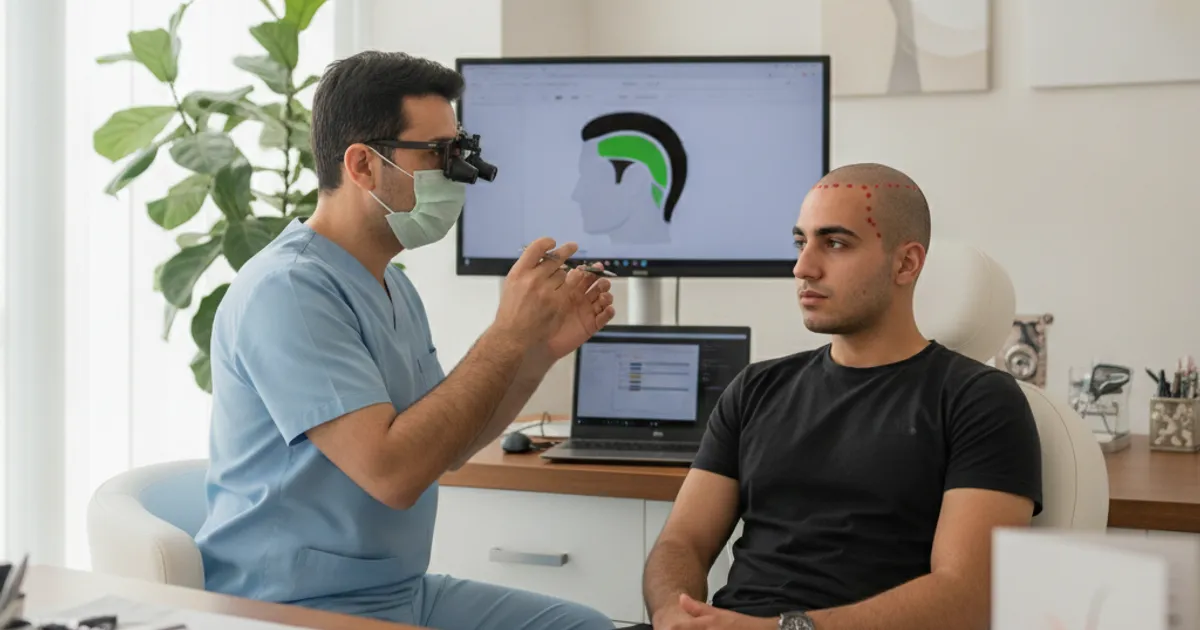
If you're planning a hair transplant, you've probably already thought about the big stuff: cost, clinic choice, how many grafts you need. But there's one question that comes up again and again in recovery forums and clinic consultations — can I drink alcohol after a hair transplant? The short answer is no, not for a while. Alcohol affects blood flow, hydration, immune response, and how your body heals. All of those things matter enormously in the first couple of weeks after surgery, when your grafts are trying to take root and your scalp is repairing itself. This guide walks through exactly why alcohol is a problem, how long you need to avoid it, and what you can drink instead while you're recovering.
How Alcohol Affects Healing and Graft Survival
Alcohol isn't just a social lubricant — it affects your body in several ways that work against you during hair transplant recovery. It causes blood vessels to widen, which can increase bleeding and swelling around the donor and recipient areas. It acts as a diuretic, pulling water out of your system, and dehydration slows down cell repair. And it thins the blood, making it harder for your body to form the tiny clots that seal off incisions and protect newly placed grafts. On top of that, alcohol suppresses the immune system, which raises the risk of infection at a time when your scalp is essentially a field of small open wounds.
- Increased bleeding: Alcohol thins the blood and widens blood vessels, which can cause more oozing around grafts and donor sites.
- Slower wound healing: Dehydration and reduced nutrient delivery delay tissue repair.
- Higher infection risk: Alcohol weakens immune response, making it easier for bacteria to take hold.
- More swelling: Widened blood vessels can worsen post-operative edema in the forehead and scalp.
- Graft failure risk: Poor blood supply and movement from swelling can cause grafts to not take.
- Medication interactions: Alcohol can interact badly with painkillers, antibiotics, and sedatives prescribed after surgery.
The Recommended Alcohol-Free Window: Before and After Surgery
Most surgeons ask patients to stop drinking alcohol at least a few days before surgery, and some prefer a full week. The reason is simple: they need your blood to clot normally during the procedure and your body to be well-hydrated. After surgery, the alcohol-free window is longer. The general recommendation is to avoid alcohol for at least a week, and many clinics suggest waiting a full two weeks. If your procedure was large, if you had a lot of bleeding, or if you're on any medications that interact with alcohol, your surgeon may ask you to wait even longer. Always follow your own clinic's instructions — they know your case.
- Stop drinking at least 3 days before surgery — 7 days is safer.
- Avoid alcohol for a minimum of 7–10 days after surgery.
- Wait 14 days if you had a large session or experienced bleeding.
- Never drink while taking prescription painkillers or antibiotics.
- If in doubt, ask your clinic for a personalised timeline.
Risks of Drinking Too Soon: Bleeding, Swelling, and Infection
Drinking alcohol too soon after a hair transplant isn't just a minor setback — it can actively damage your results. The first week is when grafts are most vulnerable. They don't have a proper blood supply yet, and they're essentially being held in place by tiny clots and the surrounding tissue. Alcohol can dissolve those clots, increase bleeding, and cause swelling that shifts grafts out of position. Even a single drink can be enough to trigger problems in some patients. And if you're unlucky enough to develop an infection, you're looking at antibiotics, extra clinic visits, and potentially permanent scarring or graft loss.
- Bleeding under the scalp can lift grafts and prevent them from anchoring.
- Swelling in the forehead and eyes can become severe and last longer.
- Infection risk rises because alcohol impairs immune function.
- Dehydration slows down the delivery of oxygen and nutrients to healing tissue.
- Alcohol can interact with medications, causing dizziness, nausea, or worse.
- Poor healing in the first two weeks can lead to patchy growth and wasted grafts.
What About Non-Alcoholic Beer, Wine, and Mocktails?
Non-alcoholic beer and wine are better than the real thing, but they're not automatically safe. Many non-alcoholic beers still contain a small amount of alcohol, and that can add up if you drink several. More importantly, they're often carbonated and can cause bloating or dehydration. Mocktails are usually fine as long as they're not loaded with sugar or caffeine, both of which can affect hydration and sleep. The safest bet in the first two weeks is water, herbal tea, and fresh juices. If you really want something that feels like a drink, a sparkling water with lime or a non-alcoholic gin alternative is a reasonable compromise — but check the label and don't overdo it.
| Drink Type | Alcohol Content | Safe After Surgery? |
|---|---|---|
| Regular beer, wine, spirits | Contains alcohol | No — wait at least 2 weeks |
| Non-alcoholic beer | May contain trace amounts | Usually after 7 days, but check with clinic |
| Non-alcoholic wine | May contain trace amounts | Usually after 7 days, but check with clinic |
| Mocktails (no alcohol) | Alcohol-free | Generally safe after 3–5 days if low sugar |
| Sparkling water with lime | Alcohol-free | Safe from day 1 |
| Herbal tea | Alcohol-free | Safe from day 1 |
Safe Alternatives and Social Strategies During Recovery
The hardest part of avoiding alcohol isn't the physical craving — it's the social pressure. If you're used to having a drink at dinner, at a party, or after work, suddenly saying no can feel awkward. The good news is that most people won't notice or care what's in your glass. You can hold a sparkling water with lime and no one will ask questions. If you're at a bar, order a virgin mojito or a non-alcoholic beer. If you're hosting, make a batch of mocktails so you're not the only one without a drink. And if you're worried about explaining yourself, a simple 'I'm on medication' or 'I'm recovering from a procedure' is usually enough to shut down the conversation.
- Bring your own non-alcoholic drinks to parties so you're not stuck with water.
- Order a mocktail or sparkling water with lime at bars — it looks like a real drink.
- Tell close friends about your surgery so they don't pressure you.
- Use the 'designated driver' excuse if you don't want to explain.
- Plan social events around activities that don't revolve around drinking.
- Keep a water bottle with you at all times to stay hydrated.
When Can You Drink Alcohol Again? A Practical Timeline
There's no single answer that fits everyone, but most surgeons agree on a rough timeline. The first 48 hours after surgery are absolutely off-limits. The first week is still a no. By day 10 to 14, many patients are cleared for light drinking, but only if healing is on track. By week three, most people can return to their normal habits, though heavy drinking should still be avoided for at least a month. If you had a large session, if you're a slow healer, or if you're on blood thinners, your timeline will be longer. Always get the green light from your surgeon before you pick up a glass.
Planning Your Recovery: Clinic Advice and Aftercare
Every clinic has its own aftercare protocol, and alcohol rules are usually part of it. When you're researching clinics, ask about their post-op instructions — specifically how long they want you to avoid alcohol. Some clinics are stricter than others, and some provide written timelines. If you're comparing options, it's worth checking whether aftercare is included in the price. You can browse verified clinics and read their aftercare policies on Clinic Reccy. For a deeper dive into what happens after surgery, see our guide on hair transplant aftercare. And if you're still deciding where to go, our country comparison guide can help you weigh up options.
Frequently Asked Questions
Can I drink alcohol the night before my hair transplant?
No. Most surgeons require you to stop drinking at least 48 to 72 hours before surgery, and some prefer a full week. Alcohol thins your blood and dehydrates you, which can complicate the procedure and slow down healing.
How long after a hair transplant can I have a beer?
The general recommendation is to wait at least 7 to 10 days, though many clinics suggest a full two weeks. If you had a large session or any complications, wait longer. Always check with your own surgeon.
Does alcohol affect graft survival?
Yes. Alcohol can increase bleeding and swelling, which can dislodge grafts before they've anchored. It also impairs immune function and hydration, both of which are critical for graft survival in the first two weeks.
Is non-alcoholic beer safe after a hair transplant?
It's safer than regular beer, but many non-alcoholic beers still contain trace amounts of alcohol. It's best to wait at least a week and confirm with your clinic. Mocktails and sparkling water are safer choices.
More Guides
- Hair Transplant Graft Count: How Many Do You Need?
How many grafts for a hair transplant? Learn how graft counts are estimated, typical ranges by Norwood stage, and what to confirm before surgery.
- How to Choose a Hair Transplant Surgeon: Credentials to Check
Learn how to choose a hair transplant surgeon by checking credentials, board certification, training, and real patient results. A practical guide.
- Costco Finasteride: Price, Membership & Prescription Steps
A practical guide to getting finasteride at Costco: membership rules, prescription steps, generic vs. brand costs, and aftercare planning.
- Smoking and Hair Transplant Healing: What to Know
Smoking slows hair transplant healing and threatens graft survival. Learn why to stop before surgery, how long to avoid nicotine after, and recovery tips.