
Alopecia Alternative Treatments: What Else Can You Try?
Explore alternative alopecia treatments: how they work, evidence, results, side effects, and costs. Learn what may help and when to consider other options.
What Are Alopecia Alternative Treatments?
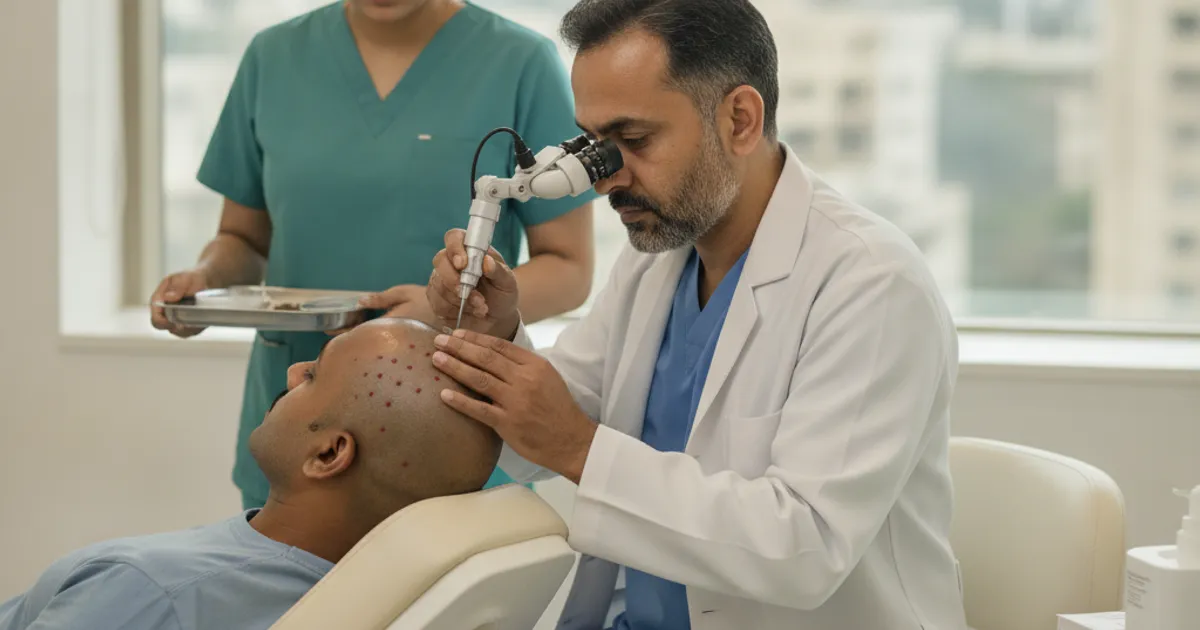
Alopecia is the medical term for hair loss, and it can stem from genetics, hormones, stress, nutrition, or autoimmune triggers. While hair transplant surgery gets most of the attention, plenty of people want to explore non-surgical routes first — or simply avoid going under the knife altogether. That's where alternative treatments come in. These are options outside of standard prescription drugs like minoxidil and finasteride, and outside of surgical restoration. They range from natural supplements and topical oils to low-level laser therapy, microneedling, platelet-rich plasma (PRP), and even dietary overhauls. Some have solid research behind them; others are mostly anecdotal. This guide breaks down what actually works, what doesn't, and how these options stack up against other approaches.
- Natural supplements: biotin, zinc, iron, vitamin D, saw palmetto, pumpkin seed oil
- Topical remedies: rosemary oil, peppermint oil, onion juice, caffeine shampoos
- Devices: low-level laser therapy (LLLT) caps and combs, microneedling rollers
- In-office procedures: platelet-rich plasma (PRP), mesotherapy, exosome injections
- Lifestyle changes: stress reduction, sleep hygiene, balanced diet, quitting smoking
How Do Alternative Treatments for Hair Loss Work?
Each alternative treatment targets hair loss through a different mechanism. Understanding the 'how' helps you pick the right one for your situation. Here's a breakdown of the main pathways:
Evidence for Hair Growth: What the Research Says
Not all alternative treatments are created equal. Some have randomized controlled trials backing them; others rely on small studies or traditional use. Here's a quick rundown of the evidence quality for common options.
| Treatment | Evidence Level | Notes |
|---|---|---|
| PRP injections | Moderate to strong | Multiple studies show increased hair density and thickness; results vary by protocol. |
| Low-level laser therapy (LLLT) | Moderate | Devices cleared by regulatory agencies; meta-analyses suggest modest improvement in hair count. |
| Rosemary oil | Moderate | Some research suggests it may support hair growth in androgenetic alopecia, but studies are limited. |
| Microneedling | Moderate | Often combined with minoxidil; may enhance absorption and stimulate growth factors. |
| Saw palmetto | Limited | Some evidence for mild DHT blocking; studies are small and short-term. |
| Biotin | Weak (unless deficient) | No benefit for hair growth in people with normal biotin levels. |
| Onion juice | Limited | Small studies suggest possible improvement in alopecia areata; not for pattern baldness. |
| Exosomes | Emerging | Early research is promising but expensive and unregulated. |
How to Use Alternative Treatments: Dosage, Frequency, and Best Practices
If you're going to try an alternative treatment, you need to use it correctly. Here's a practical guide for the most common options. Always patch-test topical remedies and talk to a doctor before starting supplements, especially if you take medication.
- Rosemary oil: Mix a few drops with a carrier oil (jojoba, coconut). Massage into scalp 2–3 times per week. Leave for at least 30 minutes before washing out.
- Peppermint oil: Dilute with a carrier oil before applying. Apply once daily. Can cause irritation if used undiluted.
- Saw palmetto: Follow the dosage on the product label or as recommended by your doctor. Take with food to avoid stomach upset.
- Biotin: Only take if you have a diagnosed deficiency. Follow your doctor's recommended dose.
- LLLT: Use a device cleared by regulatory agencies for the recommended time, typically several times per week. Consistency is key.
- Microneedling: Use a roller with a depth suitable for home use, typically once weekly. Sterilize before and after. Do not use on active acne or irritated skin.
- PRP: Typically a series of sessions spaced several weeks apart, then maintenance treatments. Performed in a clinic.
Expected Results and Timeline: What to Realistically Expect
Hair grows slowly. No alternative treatment will give you a full head of hair overnight — or even in a month. Most options require several months of consistent use before you see noticeable changes. Some people respond well; others see little difference. Genetics, the cause of your hair loss, and how early you start all play a role.
| Treatment | Time to See Results | Best Case Outcome |
|---|---|---|
| PRP | Several months | Increased density, thicker hairs, reduced shedding |
| LLLT | Several months | Modest increase in hair count, improved scalp coverage |
| Rosemary oil | Several months | Possible improvement in hair thickness |
| Microneedling | Several months | Enhanced growth when combined with minoxidil |
| Supplements | Several months (if deficient) | Restoration of normal growth cycle |
| Saw palmetto | Several months to a year | Mild slowing of hair loss, possible regrowth |
Side Effects and Risks of Alternative Alopecia Treatments
Just because something is natural or non-surgical doesn't mean it's risk-free. Some alternative treatments can cause irritation, interact with medications, or lead to disappointing results if you expect too much. Here's what to watch for.
- Topical oils: Allergic contact dermatitis, scalp irritation, folliculitis if not diluted properly.
- Supplements: Gastrointestinal upset, interactions with blood thinners (saw palmetto, vitamin E), hormonal effects (saw palmetto may lower PSA readings).
- LLLT: Generally safe; rare reports of headache, scalp tenderness, or dizziness.
- Microneedling: Pain, bleeding, infection risk if not sterilized; can worsen scarring alopecia.
- PRP: Injection site pain, swelling, bruising, infection (rare); not suitable for active scalp infections or blood disorders.
- Exosomes: Unregulated, long-term safety unknown, high cost, risk of unproven claims.
Who Is Suitable for Alternative Treatments?
Alternative treatments work best for people with early-stage hair loss, mild to moderate thinning, or a specific deficiency that can be corrected. They're less effective for advanced baldness where follicles have completely miniaturized. If you're looking to avoid surgery, maintain existing hair, or complement a transplant, alternatives can be a good fit.
- Early-stage androgenetic alopecia
- Telogen effluvium triggered by stress, illness, or nutritional gaps
- Alopecia areata (some topical options may help, but medical treatment is often needed)
- People who want to delay or avoid surgery
- Post-transplant patients looking to support graft survival and native hair
- Anyone with a diagnosed vitamin or mineral deficiency affecting hair
Cost of Alternative Treatments: What to Expect
Costs vary widely depending on the treatment, where you live, and whether you go to a clinic or DIY at home. Below are average price ranges for common alternative options. Keep in mind that most require ongoing use, so the monthly cost adds up over time.
| Treatment | Typical Cost (USD) | Frequency |
|---|---|---|
| Rosemary oil | Varies | 2–3 times per week |
| Saw palmetto | Varies | Daily |
| LLLT device | Varies | Several times per week |
| Microneedling roller | Varies | Weekly |
| PRP session | Varies | Series, then maintenance |
| Exosome injection | Varies | Varies |
How Alternative Treatments Compare to Other Options
Alternative treatments are just one piece of the puzzle. Here's how they stack up against standard medications and surgical hair restoration.
| Factor | Alternative Treatments | Medications (Minoxidil/Finasteride) | Surgical Hair Restoration |
|---|---|---|---|
| Effectiveness | Modest, varies by treatment | Proven for many, especially early use | Highest for restoring density in bald areas |
| Time to results | Several months to a year | Several months | Several months for full growth |
| Duration of use | Ongoing | Ongoing | One-time procedure (plus maintenance) |
| Side effects | Generally mild, but possible | Known side effects (sexual, scalp irritation) | Surgical risks: scarring, infection, shock loss |
| Cost | Low to moderate monthly | Low monthly | High upfront |
| Best for | Early loss, prevention, complementary use | Early to moderate loss | Moderate to advanced loss, stable donor area |
Frequently Asked Questions (FAQ)
Can alternative treatments regrow hair completely?
No. Alternative treatments are best at slowing hair loss, improving density, or supporting existing hair. They rarely regrow hair in completely bald areas. For significant regrowth, surgical hair restoration is usually required.
How long should I try an alternative treatment before giving up?
Give it at least 6 months of consistent use. Hair growth cycles are slow, and many treatments need months to show effects. If you see no change after 6–12 months, it's probably not working for you.
Are natural treatments safer than prescription drugs?
Not necessarily. Natural doesn't always mean safe. Some supplements can interact with medications or cause side effects. Prescription drugs have more research but also known risks. Talk to a doctor to weigh the pros and cons for your situation.
Can I combine alternative treatments with a hair transplant?
Yes, many people do. PRP, LLLT, and supplements are often used before and after surgery to support graft survival and native hair. Always clear any treatment with your surgeon.
More Guides
- Alopecia Hair Treatment: Options for Every Type
Explore alopecia hair treatment options, from minoxidil to transplants. Learn about types, evidence, usage, results, side effects, and suitability.
- Alopecia Shampoo Treatment: What to Look For and What Works
A practical guide to alopecia shampoo treatment: how it works, evidence, key ingredients, usage, results timeline, side effects, cost, and alternatives.
- FDA-Approved Treatments for Alopecia: Your Options
Explore FDA-approved treatments for alopecia: how they work, evidence, usage, results, side effects, cost, and how they compare to alternatives.
- Dermaroller for Hair Loss: Session Guide and Results
A practical guide to dermaroller treatment for hair loss: how it works, session frequency, expected results timeline, side effects, cost, and who it suits.