
Exercise After a Hair Transplant: Recovery Guide
When can you exercise after a hair transplant? A week-by-week timeline, safe activities, and tips to protect new grafts while staying fit.
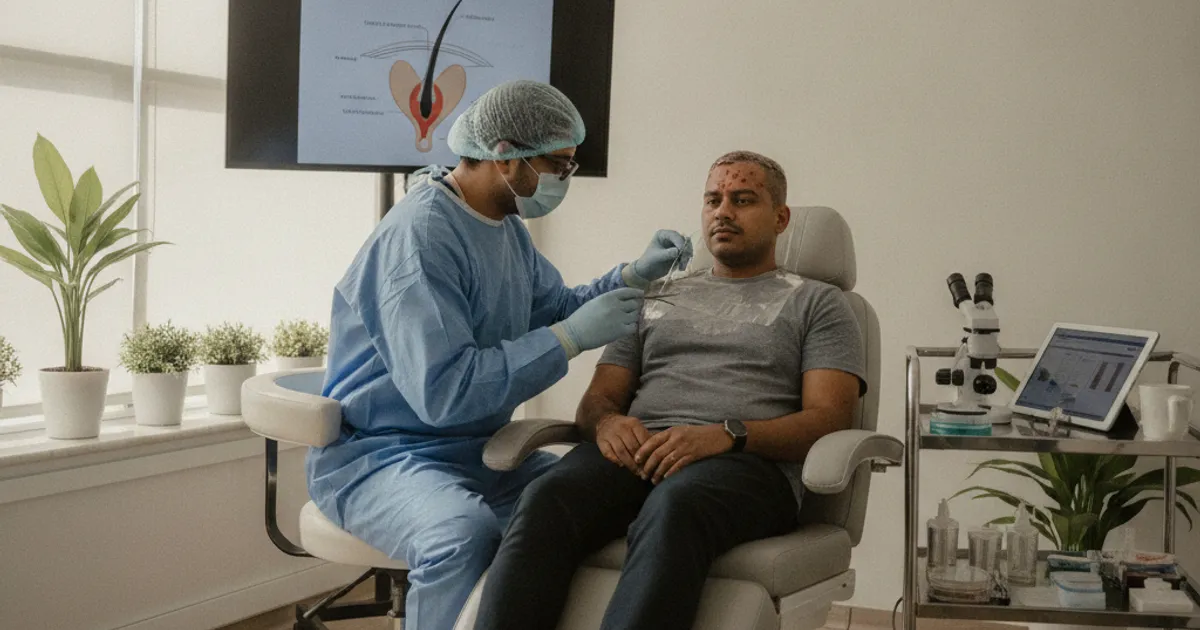
Exercise after a hair transplant is one of the most common concerns for patients who train regularly. The short answer: you need to wait. Most clinics ask you to avoid strenuous activity for at least the first week, and to hold off on heavy lifting and high-impact training for two to three weeks. The reason is simple. Your new grafts are fragile for the first several days, and anything that raises your blood pressure, makes you sweat heavily, or causes you to bump your scalp can put them at risk.
Why Exercise Pauses After a Hair Transplant
During a hair transplant, thousands of individual grafts are placed into tiny incisions in the scalp. For the first few days, those grafts are held in place mostly by a fragile clot. Physical activity works against that in a few ways.
- Increased blood pressure and blood flow can dislodge freshly placed grafts.
- Sweating introduces bacteria and irritation to healing wounds.
- Bending, straining, or heavy lifting raises pressure in the head and neck.
- Contact sports and gym equipment carry a direct risk of knocking the scalp.
- Heat and dehydration slow down the healing process.
The good news is that this window is short. Once the grafts have anchored, usually within 7 to 10 days, the risk drops sharply. That's why most surgeons clear light activity early and reserve the longer restrictions for heavy training.
Week-by-Week Exercise Timeline
Every clinic words this slightly differently, but the general pattern is consistent. Use the timeline below as a planning reference, not a substitute for your surgeon's advice.
| Activity | Earliest Typical Return | Notes |
|---|---|---|
| Walking | Day 3–4 | Keep it short and sweat-free |
| Light cardio | Week 2 | No bouncing or heavy sweating |
| Weight training | Week 3–4 | Start light, avoid straining |
| Running | Week 3–4 | Watch for sweat and friction |
| Swimming | Week 4+ | Only after scalp is fully closed |
| Contact sports | Week 8+ | Risk of direct impact to grafts |
Safe Activities During Early Recovery
You don't have to be completely sedentary. Gentle movement actually supports circulation and general wellbeing. The trick is keeping your heart rate low and your scalp untouched.
- Short walks around the block or on a treadmill at low incline.
- Light stretching that doesn't involve bending the head forward.
- Stationary cycling at an easy pace with no sweating.
- Gentle yoga, avoiding inversions and any pose that puts pressure on the scalp.
- Desk-based mobility work for shoulders and hips.
Exercises to Avoid and Why
Some movements are riskier than others, even weeks after surgery. These are the ones most clinics flag as no-go zones during the first month.
- Heavy deadlifts, squats, and overhead presses — they spike blood pressure hard.
- CrossFit-style circuits and HIIT — unpredictable strain and sweat.
- Boxing, wrestling, and martial arts — direct impact risk.
- Swimming in pools, lakes, or the sea — infection risk until the scalp closes.
- Hot yoga and sauna sessions — heat and sweat stress the grafts.
- Headstands and inverted poses — pressure on the scalp.
How to Return to Training Safely
Coming back too fast is the most common mistake. Build up gradually and listen to your body.
Planning Your Procedure Around Your Fitness Routine
If you train seriously, timing matters. Book your procedure when you can afford two to three weeks of reduced activity. Avoid scheduling right before a competition, a marathon, or a lifting meet. Many patients use a quiet period at work or a short holiday as their recovery window. If you're still comparing providers, it's worth reading up on how to choose a clinic and what aftercare support they offer.
It also helps to know what recovery actually looks like day by day. Our guide on the hair transplant recovery timeline walks through the first two weeks in detail, including washing, sleeping, and what's normal.
When to Ask Your Clinic
Every surgeon has their own protocol. Some are stricter than others, and factors like graft count, technique, and your healing speed all play a role. Before you book, ask how long they recommend waiting before cardio, weights, and contact sports. Get it in writing if you can.
Frequently Asked Questions
Can I exercise the day after a hair transplant?
No. The first 72 hours are the most fragile period for your grafts. Even a short walk is usually discouraged on day one. Wait until your clinic gives you the green light, typically around day three or four for gentle walking.
Will sweating damage my hair grafts?
Sweat itself doesn't dissolve grafts, but it creates a moist, warm environment that can irritate healing wounds and increase infection risk. Heavy sweating also usually means elevated blood pressure, which is the bigger concern in the first week.
How soon can I lift weights after a hair transplant?
Most clinics allow light resistance training around week three or four. Heavy lifting that involves straining, like deadlifts or max squats, is usually pushed to week five or six. Start light and build up gradually.
Does exercise affect hair transplant results long term?
Once your grafts have fully anchored and the scalp has healed, exercise has no negative effect on results. In fact, good circulation supports healthy hair growth. The risk is only during the early healing window.
More Guides
- Hair Transplant Graft Count: How Many Do You Need?
How many grafts for a hair transplant? Learn how graft counts are estimated, typical ranges by Norwood stage, and what to confirm before surgery.
- How to Choose a Hair Transplant Surgeon: Credentials to Check
Learn how to choose a hair transplant surgeon by checking credentials, board certification, training, and real patient results. A practical guide.
- Costco Finasteride: Price, Membership & Prescription Steps
A practical guide to getting finasteride at Costco: membership rules, prescription steps, generic vs. brand costs, and aftercare planning.
- Smoking and Hair Transplant Healing: What to Know
Smoking slows hair transplant healing and threatens graft survival. Learn why to stop before surgery, how long to avoid nicotine after, and recovery tips.