
Eyebrow and Eyelash Loss: Causes and Treatment Options
Learn about eyebrow and eyelash loss, its causes, symptoms, diagnosis, and treatment options including hair transplants. A comprehensive guide.
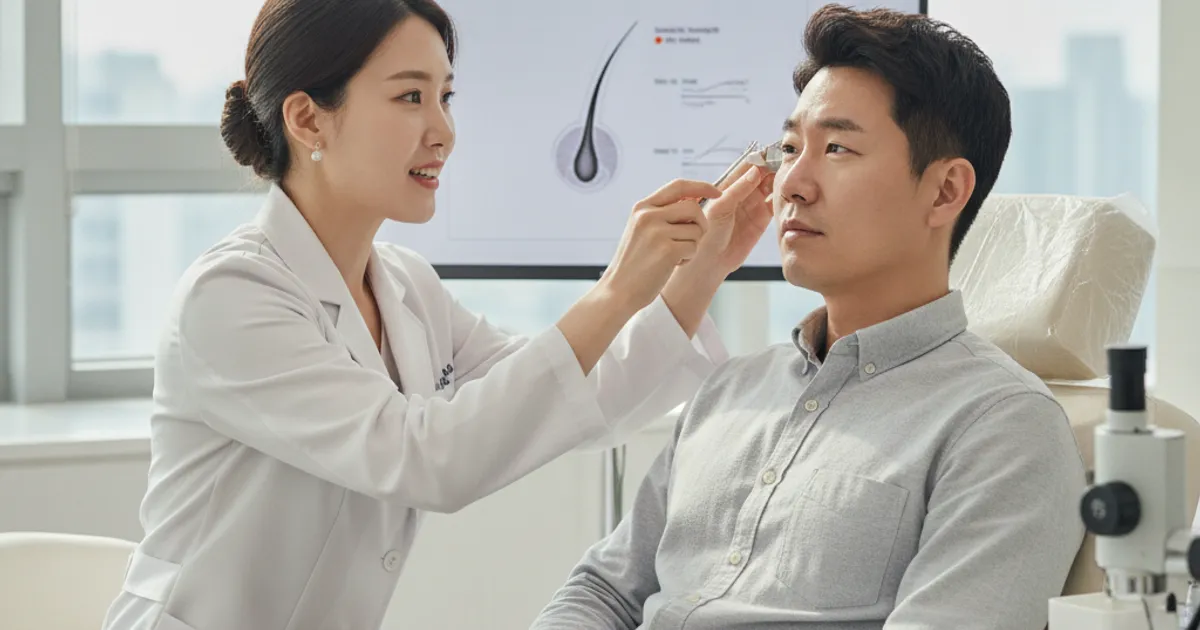
What Is Eyebrow and Eyelash Loss?
Eyebrow and eyelash loss, medically known as madarosis when it affects the eyebrows and eyelids, is a condition where hair falls out from these areas. It can be partial or complete, temporary or permanent, and it affects both men and women. While it's not a health threat on its own, it can significantly impact appearance and self-esteem. The hair on our eyebrows and eyelashes serves practical purposes too—keeping sweat and debris out of the eyes—so losing it can be more than just a cosmetic concern.
Common Causes of Eyebrow and Eyelash Loss
There are many reasons why someone might lose hair from their eyebrows or eyelashes. Some causes are temporary and easily treated, while others are chronic and require ongoing management. Here are the most common culprits:
- Alopecia areata: An autoimmune condition where the body attacks its own hair follicles, leading to patchy hair loss. It can affect eyebrows and eyelashes.
- Thyroid disorders: Both hypothyroidism and hyperthyroidism can cause hair loss, including eyebrow thinning (often losing the outer third of the eyebrow).
- Chemotherapy: A well-known side effect of cancer treatment is hair loss all over the body, including eyebrows and eyelashes.
- Nutritional deficiencies: Lack of iron, zinc, biotin, or vitamins can contribute to hair shedding.
- Skin conditions: Eczema, psoriasis, or infections like blepharitis can damage hair follicles.
- Over-plucking or trauma: Years of aggressive eyebrow shaping can lead to permanent follicle damage.
- Aging: Natural hair thinning occurs with age, and eyebrows and eyelashes are not exempt.
- Medications: Some drugs, such as certain acne treatments or blood thinners, can cause hair loss.
| Cause | Typical Pattern | Reversibility |
|---|---|---|
| Alopecia areata | Patchy loss, may be sudden | Often reversible with treatment |
| Thyroid disorder | Diffuse thinning, outer eyebrow loss | Reversible once thyroid is regulated |
| Chemotherapy | Complete loss of eyebrows and eyelashes | Usually regrows after treatment ends |
| Nutritional deficiency | General thinning | Reversible with supplementation |
| Over-plucking | Sparse eyebrows, especially tails | May be permanent if follicles are damaged |
Symptoms and Signs to Watch For
The signs of eyebrow and eyelash loss are usually obvious, but sometimes they develop gradually. Pay attention to these symptoms:
- Thinning or sparse eyebrows, often starting at the outer edges
- Patches of missing hair in the eyebrows
- Loss of eyelashes, either evenly or in patches
- Redness, itching, or flaking around the eyebrows or eyelids (if caused by skin conditions)
- Eyebrows that feel itchy or painful
- Changes in eyebrow texture or color
How Is Eyebrow and Eyelash Loss Diagnosed?
Diagnosis typically starts with a visit to a dermatologist or trichologist. They will take a medical history, examine the affected areas, and may perform tests to identify the underlying cause. Here's what to expect during the diagnostic process:
- Medical history review: Your doctor will ask about your hair loss pattern, family history, medications, and any recent illnesses or stressors.
- Physical examination: A close look at the eyebrows, eyelashes, and surrounding skin to check for redness, scaling, or scarring.
- Hair pull test: A small sample of hairs is gently pulled to see how easily they come out, which can indicate active shedding.
- Blood tests: To check for thyroid function, iron levels, vitamin deficiencies, and autoimmune markers.
- Skin biopsy: In rare cases, a small skin sample may be taken to rule out conditions like lupus or lichen planopilaris.
Treatment Options: From Topicals to Procedures
Treatment depends on the cause. If an underlying condition like a thyroid disorder or nutritional deficiency is identified, addressing that often resolves the hair loss. For other causes, a range of treatments can help stimulate regrowth or restore appearance.
- Topical minoxidil: Often used off-label for eyebrows and eyelashes, but must be applied carefully to avoid eye irritation.
- Corticosteroid creams or injections: For alopecia areata, to reduce inflammation and suppress the immune attack.
- Prescription eyelash serums: Products containing bimatoprost (like Latisse) are FDA-approved for eyelash growth.
- Platelet-rich plasma (PRP): Injections of concentrated platelets from your own blood to stimulate hair follicles.
- Finasteride: Not typically used for eyebrows/eyelashes, but sometimes prescribed for general hair loss if androgenetic alopecia is a factor.
- Micropigmentation: Cosmetic tattooing to mimic eyebrow hair.
- Hair transplant: Surgical relocation of hair follicles from the scalp to the eyebrows or eyelashes.
| Treatment | Best For | Notes |
|---|---|---|
| Minoxidil | General thinning | Off-label for eyebrows/eyelashes; avoid eye contact |
| Corticosteroids | Alopecia areata | Can be topical or injected |
| Bimatoprost serum | Eyelash hypotrichosis | Prescription only; may cause iris darkening |
| PRP | Various types of hair loss | Requires multiple sessions |
| Hair transplant | Permanent loss, scarring | Surgical; requires adequate donor hair |
Is a Hair Transplant Suitable for Eyebrows or Eyelashes?
A hair transplant can be an effective solution for eyebrow and eyelash loss, but it's not for everyone. The procedure involves taking hair follicles from the scalp (usually the back of the head) and implanting them into the eyebrow or eyelash area. Because scalp hair grows longer and faster than eyebrow or eyelash hair, careful selection of fine hairs is crucial for a natural look.
- Good candidates: People with permanent hair loss due to scarring, burns, or genetic factors, and who have healthy donor hair.
- Not ideal for: Those with active alopecia areata or other autoimmune conditions, as the transplanted hair may also be attacked.
- Eyelash transplants: More delicate and less common; requires precise microsurgery and carries risk of eyelash curling or irritation.
- Expectations: Multiple sessions may be needed, and the hair will require regular trimming to maintain the right length.
What to Expect from an Eyebrow or Eyelash Transplant
The procedure is typically done on an outpatient basis under local anesthesia. Here's a step-by-step overview of what happens:
- Consultation and planning: Your surgeon will assess your donor hair, discuss your goals, and draw a design for the new eyebrow or eyelash line.
- Anesthesia: Local anesthesia is applied to both the donor area (usually the back of the scalp) and the recipient area to keep you comfortable.
- Follicle extraction: Individual hair follicles are removed from the donor site using either strip harvesting (FUT) or follicular unit extraction (FUE).
- Implantation: The follicles are carefully placed into tiny incisions in the eyebrow or eyelash area, angled to match natural hair growth.
- Recovery: You'll go home the same day. Expect some redness and scabbing for about a week. The transplanted hairs may shed initially, but new growth typically appears within a few months.
- Follow-up: Your surgeon will schedule follow-up visits to monitor healing and growth. Final results are usually visible after 6 to 12 months.
Frequently Asked Questions
Can eyebrow hair grow back after loss?
It depends on the cause. If the loss is due to a temporary factor like nutritional deficiency or chemotherapy, hair often regrows on its own. For conditions like alopecia areata, treatment can stimulate regrowth. However, if the hair follicles are permanently damaged (e.g., from years of over-plucking), hair may not return without intervention.
Is an eyelash transplant safe?
Eyelash transplants are generally safe when performed by an experienced surgeon, but they are more delicate than eyebrow transplants. Risks include infection, scarring, and unnatural eyelash direction. Because eyelashes are close to the eye, proper aftercare is crucial.
What is the best treatment for eyebrow loss?
The best treatment depends on the cause. For temporary loss, addressing the underlying issue (like thyroid medication or iron supplements) may be enough. For alopecia areata, corticosteroid injections are often effective. For permanent loss, a hair transplant or micropigmentation may be the best option.
Can I use minoxidil on my eyebrows?
Minoxidil is sometimes used off-label for eyebrow growth, but it can cause skin irritation and should be kept away from the eyes. It's best to consult a dermatologist before trying it.
How much does an eyebrow transplant cost?
Costs vary widely depending on the clinic, location, and complexity of the procedure. Because eyebrow and eyelash transplants are highly specialized, prices are typically determined on a case-by-case basis. It's best to consult with a qualified surgeon for an accurate quote.
More Guides
- Hair Loss From Vitamin A Toxicity: Signs and Reversal
Learn how vitamin A toxicity causes hair loss, the signs to watch for, how it's diagnosed, and whether hair transplant is suitable. Reversal tips inside.
- Hair Loss After Menopause: Hormones, Timing, Treatment
Hair loss after menopause is common. Learn how hormones, timing, and treatments like minoxidil, PRP, and hair transplant can help you regrow hair.
- Finasteride and Erectile Dysfunction: What Research Shows
Does finasteride cause erectile dysfunction? We break down the clinical research, risk factors, diagnosis, and treatment options for finasteride-related ED.
- Hair Transplant and Lupus: What You Need to Know
Can you get a hair transplant with lupus? Learn how autoimmune conditions affect hair loss, diagnosis, treatments, and whether surgery is safe.