
Hair Transplant Aftermath: When Can You Dye or Bleach?
Learn when it's safe to dye or bleach your hair after a transplant. Get a clear timeline, aftercare tips, and expert advice to protect new growth.
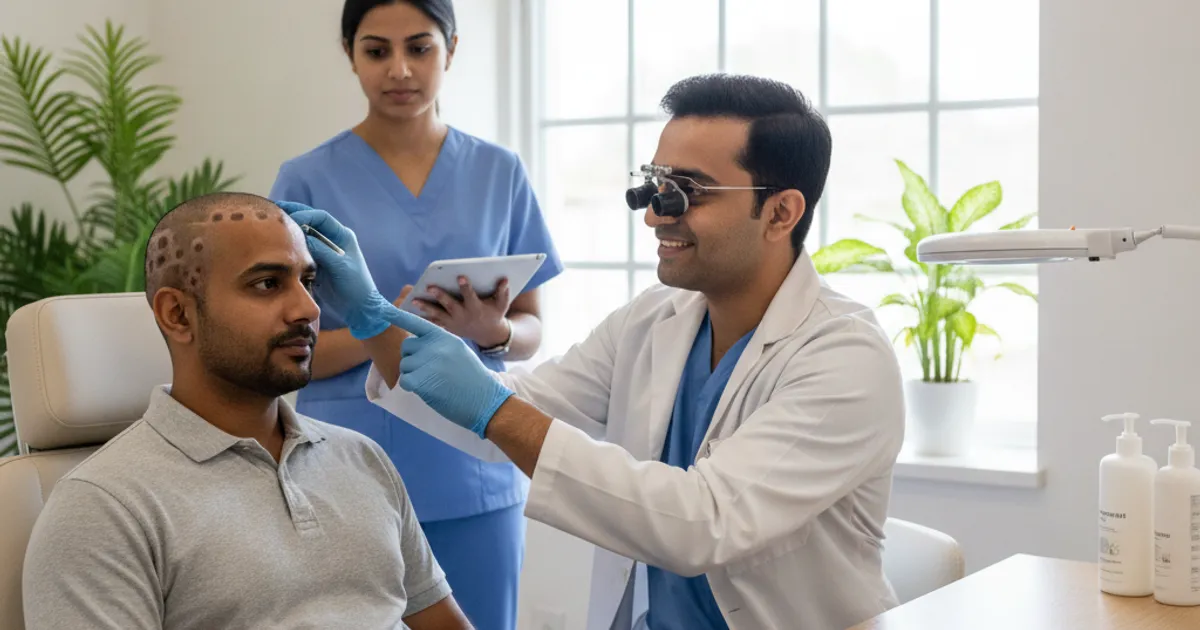
Hair Transplant Aftermath: When Can You Dye or Bleach Your Hair?
You've just invested time, money, and a fair bit of discomfort into a hair transplant. The last thing you want is to jeopardise your new growth by reaching for the dye bottle too soon. But let's be honest: a few months of grey roots or a fading colour can feel like an eternity. So when exactly can you safely dye or bleach your hair after a transplant? The short answer is that most clinics advise waiting several months, but the full picture depends on your healing progress and the type of colour treatment you're considering. This guide walks you through the healing phases, the difference between dyeing and bleaching, and a practical timeline so you can plan ahead with confidence.
Why Timing Matters: Healing Phases After a Transplant
A hair transplant isn't just a cosmetic procedure—it's a surgical one. The scalp goes through distinct healing stages, and each stage has implications for how you treat your hair. Understanding these phases helps you make an informed decision about when to colour.
- First week to 10 days: The grafts are fragile and the scalp is raw. Any chemical contact is strictly off-limits. Even washing must be gentle and per your clinic's protocol.
- Weeks 2–4: Scabs heal and fall away. The grafts are settling, but the scalp is still sensitive. No dye, bleach, or harsh products.
- Months 1–3: Shock loss may occur (temporary shedding). The follicles are in a resting phase. Chemical treatments can irritate the scalp and potentially affect graft survival.
- Months 3–6: New growth begins. The scalp is much stronger, but the hair is still fine and vulnerable. Many clinics give the green light for gentle colour around the 3- or 4-month mark, but bleaching is usually postponed longer.
- 6+ months: Most patients are fully healed. Hair is thicker and more resilient. This is the safest window for more aggressive treatments like bleaching.
The Short Answer: When Can You Dye or Bleach?
If you want a single takeaway: wait at least three months for dye, and six months for bleach. That's the consensus among most surgeons. Some clinics may allow dyeing earlier if healing is exceptional, while others prefer a full six months before any chemical processing. Bleaching is more aggressive—it strips the hair cuticle and can cause significant damage—so it's almost always pushed to the six-month mark or later. When in doubt, ask your surgeon at your follow-up appointments.
Dyeing vs. Bleaching: Key Differences for Transplanted Hair
Not all colour treatments are created equal. Dyeing typically involves depositing colour into the hair shaft, while bleaching lifts pigment out. Bleach is far harsher and can weaken the hair structure. Transplanted hair is initially more fragile, so the distinction matters.
| Factor | Dyeing | Bleaching |
|---|---|---|
| Chemical strength | Moderate | Strong |
| Typical earliest timing | 3–4 months | 6+ months |
| Risk to grafts | Low if scalp healed | Higher due to scalp irritation |
| Effect on hair shaft | Minimal if done gently | Can cause dryness and breakage |
| Recommended frequency | Every 6–8 weeks | Every 8–12 weeks or less |
A Practical Timeline for Coloring After Surgery
Here's a realistic timeline you can use to plan your colour appointments. Remember that individual healing varies, so treat this as a guide, not a rigid rule.
| Time After Surgery | What's Happening | Coloring Guidance |
|---|---|---|
| First 7–10 days | Grafts are fragile, scalp is raw | No chemical contact. Gentle washing only per clinic protocol. |
| Weeks 2–4 | Scabs heal and fall away; scalp still sensitive | No dye, bleach, or harsh products. |
| Months 1–3 | Shock loss may occur; follicles resting | Avoid chemical treatments to prevent irritation and protect grafts. |
| Months 3–6 | New growth begins; scalp stronger but hair fine | Gentle dye may be allowed around 3–4 months with clinic approval. Bleach still postponed. |
| 6+ months | Most patients fully healed; hair thicker | Safest window for bleaching and more aggressive treatments. |
Aftercare Tips to Protect New Growth
Even after you get the green light, you'll want to treat your hair with care. These tips help minimise damage and keep your transplant looking its best.
- Choose ammonia-free, gentle dyes and avoid anything with harsh chemicals.
- Do a patch test 48 hours before full application to check for allergic reactions.
- Keep colour off the scalp—apply only to the hair shaft, especially near the grafts.
- Use a professional colourist who understands hair transplant aftercare.
- Deep condition regularly to maintain moisture and strength.
- Avoid heat styling and tight hairstyles that pull on the grafts.
- Protect your scalp from the sun with a hat or SPF (once healed).
Planning Ahead: How to Coordinate Color and Transplant
If you're planning a transplant and colour is part of your routine, a little foresight goes a long way. Here's how to coordinate both.
- Colour your hair shortly before surgery (within the safe window) so you're not dealing with roots during recovery.
- Discuss your colour habits with your surgeon during consultation—they can tailor advice.
- Schedule your next colour appointment for at least three months post-op, and a bleach session for six months.
- Consider temporary root touch-ups (like coloured sprays) that don't touch the scalp if you need to cover greys early.
- Plan for a professional colourist who has experience with transplant patients.
When to Check With Your Clinic
Your clinic is your best resource. Before you book any colour appointment, especially if you're considering bleach, run it by your surgeon or aftercare team. They can assess your scalp's healing and give personalised clearance. If you experience any redness, itching, or unusual shedding after colouring, contact them immediately.
FAQ: Dyeing and Bleaching After a Hair Transplant
Can I dye my hair 2 months after a transplant?
Most clinics advise against it. Two months is still early in the healing process, and the scalp may be sensitive. Wait at least three months, and only with your surgeon's approval.
Is bleach ever safe on transplanted hair?
Yes, but typically not before six months. Bleach is harsh and can damage fragile new growth. Always consult your clinic and consider a professional application.
What happens if I dye too soon?
You risk scalp irritation, infection, and potentially damaging the grafts, which could lead to poor growth. It's not worth the risk—wait for the green light.
Can I use natural dyes like henna?
Henna is gentler, but it can still cause reactions. Ask your clinic first. Some allow it after three months, but always do a patch test.
How Transplanted Hair Differs From Normal Hair (and Why It Matters for Colour)
One thing patients often don't realise is that transplanted follicles behave differently from the hair around them, at least at first. Grafts are taken from the back and sides of the scalp (the donor area), where hair is typically more resistant to the hormone that causes pattern baldness. Once relocated, these follicles keep that genetic programming, which is why the results last. But the relocation itself is traumatic to the follicle, and it takes time to re-establish a normal blood supply and growth cycle.
In practical terms, this means the hair growing from a graft may be finer, slower to thicken, and more brittle during the first year than it will eventually become. Colour chemicals work by opening the hair cuticle and altering the cortex, so applying them to hair that is still stabilising adds stress at a vulnerable moment. This is a key reason clinics are more cautious about the crown and hairline zones, where grafts are densest, than about the mid-shaft of older, established hair.
It also helps to understand the growth cycle. Transplanted hair usually sheds in the first few weeks (shock loss), then stays dormant before regrowth begins somewhere around the third or fourth month. Colour applied during the dormant phase won't harm hair that isn't visibly there, but it can still irritate the healing scalp underneath. Once active growth resumes, the new hair is often lighter or finer than the surrounding hair, which is one reason some patients are eager to colour early, to blend the new growth with existing hair. Resist that urge until your clinic confirms the scalp is fully closed and settled.
What to Expect at Your First Colour Appointment After Surgery
Your first session back in the chair will likely look different from your usual colour appointment, and knowing what to expect reduces anxiety. A careful colourist will assess your scalp before touching it, ask about your surgery date and healing, and may decline to proceed if they see redness, flaking, or incomplete healing. That is a good sign, not an inconvenience.
- Expect a consultation before any product is applied. The colourist should look at your scalp, ask how long ago you had surgery, and confirm you have your clinic's clearance.
- Ask for a patch test at least 48 hours ahead, even if you have used the same brand for years. Sensitivity can change after surgery.
- Discuss application technique. Colour should be kept off the scalp and away from the densest graft areas where possible, and applied to the hair shaft instead.
- Be prepared for a shorter processing time or a gentler formula than you are used to. Deposit-only or semi-permanent colours are often a sensible first step.
- Expect the colour to look slightly different on new growth than on your older hair, because the texture and porosity differ. A colourist can adjust the formula to blend them.
- Plan a follow-up conversation. Ask the colourist to note what was used and how your scalp responded, so future appointments can build on that.
Risks of Colouring Too Soon, and Signs to Watch For
The main risks of early colouring fall into two categories: damage to the grafts and irritation of the healing scalp. Chemical contact on an unhealed scalp can introduce infection, interfere with graft take, and in serious cases contribute to scarring. Even after the scalp has closed, harsh products can dry and weaken fragile new hair, making it look thinner than it otherwise would.
Bleach carries additional risk because it works by lifting pigment out of the hair, which means breaking down the hair's structure. On fine, newly grown transplant hair, this can cause breakage and a rough, straw-like texture that takes months to grow out. This is why most clinics push bleaching further out than dyeing, and why some advise against bleaching transplanted zones altogether in the first year.
Watch for these warning signs after any colour treatment, and contact your clinic if they appear:
- Persistent redness, swelling, or warmth on the scalp
- Itching that doesn't settle within a day or two
- Unusual or increased shedding beyond normal daily loss
- Crusting, weeping, or any sign of infection near grafts
- Burning or stinging during application that continues afterwards
- Breakage or a sudden change in hair texture in the coloured areas
Frequently Asked Questions
Can I use henna or natural dyes sooner than chemical dye?
Natural and henna-based colours are sometimes assumed to be gentler, but they are not automatically safe for a healing scalp. Henna can be drying and some formulations contain additives, and the timing guidance from your clinic still applies. Ask your surgeon before using any colour product, natural or otherwise, and treat the same healing milestones as your guide.
What about colouring my beard or eyebrows after a transplant in those areas?
Facial hair transplants follow similar healing principles, but the skin on the face is thinner and more sensitive than the scalp. Clinics often advise extra caution and a longer wait before colouring beard or eyebrow grafts. Follow your surgeon's specific instructions for facial procedures, which may differ from scalp timelines.
Will colouring affect how much of my transplant survives?
Colouring after the scalp has fully healed is not generally considered a threat to graft survival. The concern is concentrated in the early weeks and months, when grafts are establishing a blood supply and the scalp is open or raw. Once your clinic confirms healing is complete, colouring is unlikely to affect graft take, though it can still affect the condition of the hair itself.
Can I colour just the ends or use a root spray in the meantime?
Temporary root touch-ups, coloured sprays, and powders that sit on the surface and don't contact the scalp are a common workaround for early grey coverage. Keep them away from healing areas and wash them out gently. Colouring only the ends of longer hair, well away from the scalp, is sometimes possible earlier, but confirm with your clinic first.
Does the type of transplant affect the timeline?
It can. Follicular unit excision (FUE) and follicular unit transplantation (FUT) leave different patterns of healing, and the number of grafts and the size of the treated area vary between patients. A larger session or a more sensitive scalp may call for a longer wait. Your surgeon's assessment of your specific healing is more reliable than any general rule.
What if I need colour for a wedding or event soon after surgery?
Plan around the event rather than the other way round. If the event falls within the first few months, use temporary surface colour, styling, and accessories instead of chemical processing. If it falls later, book a consultation with your clinic ahead of time and get clearance before booking a salon appointment.
More Guides
- How Long After Finasteride Before a Hair Transplant?
Planning a hair transplant while on finasteride? Learn the typical waiting period, why timing matters, and how to coordinate with your surgeon for best results.
- Early Symptoms of Hair Loss: What to Watch For First
Learn the early symptoms of hair loss, how to track them, and when to see a specialist. Plan ahead with treatment options and costs.
- Alopecia Treatment: A Comprehensive Guide
A practical guide to alopecia treatment: types, diagnosis, medications, surgery, recovery timeline, and aftercare. Plan your hair restoration with confidence.
- Hair Loss Causes: What You Can and Can't Control
Understand hair loss causes, what's controllable, and how to plan a transplant. Practical guide to factors, aftercare, and when to see a specialist.