
Hair Transplant Before and After: How to Spot Good Work
Learn how to evaluate hair transplant before and after photos, spot red flags, plan your own documentation, and protect your results with proper aftercare.
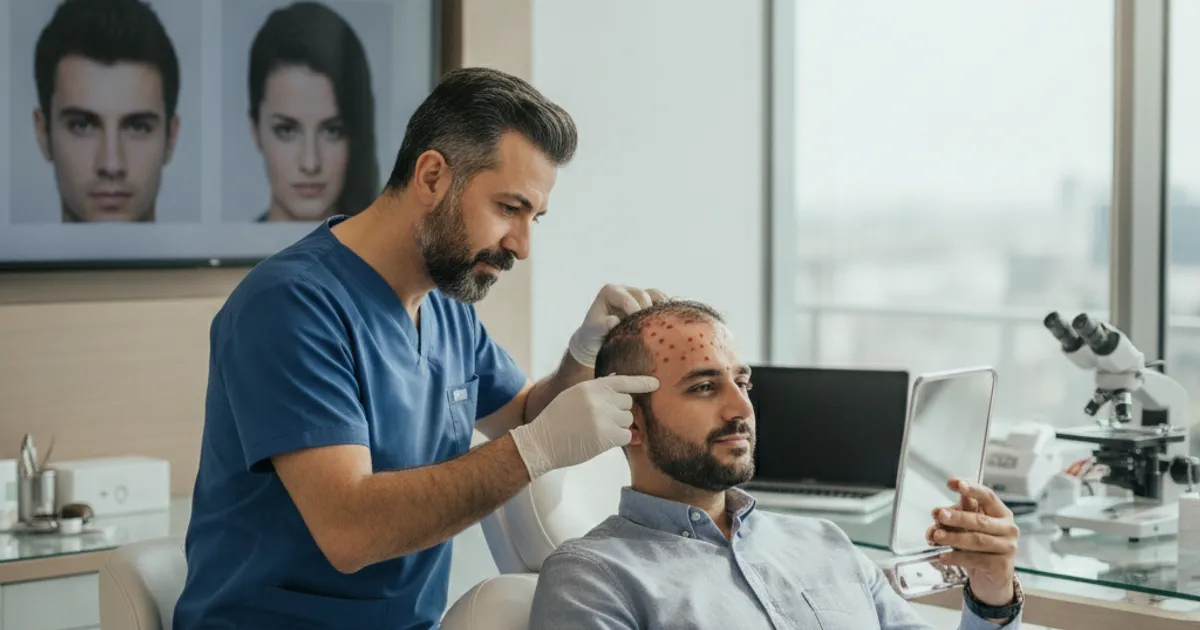
Before-and-after photos are the first thing most people look at when researching a hair transplant. They're also the easiest thing for clinics to manipulate. A good result isn't just about more hair — it's about natural density, a realistic hairline, and consistency over time. This guide walks you through what to look for in hair transplant before and after photos, what to ignore, and how to document your own journey so you can judge your results fairly.
Why Before-and-After Photos Matter
A hair transplant is a permanent change to your appearance. You can't undo it. That's why before-and-after photos are so important: they're the closest thing to evidence you'll get before committing. But not all photos are created equal. Some clinics use flattering lighting, careful angles, and even styling products to make results look better than they are. Others show only the best cases. Learning to read these images critically helps you separate genuine work from marketing.
What Good Before-and-After Photos Should Show
Good documentation is boring and consistent. It doesn't rely on dramatic lighting or a fresh haircut. Here's what to look for:
- Same angle, same lighting, same background in both photos.
- Clear view of the donor area (back and sides of the scalp) as well as the recipient area.
- Photos taken at multiple stages: immediately after, at 6 months, and at 12–18 months.
- No heavy styling products, hair fibers, or comb-overs hiding thin areas.
- Close-up shots of the hairline, crown, and any scar sites.
- Consistent hair length — a buzz cut in the 'before' and long hair in the 'after' is misleading.
Red Flags in Hair Transplant Marketing Photos
Some photos are designed to impress, not inform. Watch out for these warning signs:
- Dramatic changes in lighting — bright, harsh light in the 'before' and soft, warm light in the 'after'.
- Different hairstyles or lengths that make density hard to judge.
- Only showing the hairline and never the crown or donor area.
- Photos that look heavily edited or airbrushed.
- Results shown too early (e.g., 3 months) when growth is minimal.
- No full-face or profile shots — just tightly cropped areas.
- Testimonials without photos, or photos that look like stock images.
How to Compare Results Fairly
Comparing clinics is tricky because every patient is different. To make a fair judgment, focus on consistency and transparency:
- Look for clinics that show a range of results, not just their best case.
- Check if they show patients with similar hair loss patterns to yours.
- Ask for uncropped photos that include the face (with permission) to judge naturalness.
- See if they provide video walkthroughs or in-person consultations.
- Look for long-term follow-ups (12+ months) rather than just short-term growth.
- Read patient reviews on independent platforms, not just the clinic's website.
Planning Your Own Before-and-After Documentation
If you go ahead with a transplant, documenting your own progress is smart. It helps you track growth objectively and gives you evidence if you need to discuss results with your clinic. Here's a simple plan:
- Take photos in the same spot with the same lighting and background every time.
- Use a tripod or ask a friend to help keep angles consistent.
- Capture front, top, crown, and both sides — plus close-ups of the hairline and donor area.
- Shoot with dry, unstyled hair and no products.
- Label each photo with the date and number of months post-op.
- Store them in a dedicated folder so you can compare side by side.
Aftercare That Protects Your Results
The first few weeks after surgery are critical. Poor aftercare can damage grafts or lead to complications. Follow your clinic's instructions closely, and keep these general tips in mind:
- Sleep with your head elevated for the first few nights to reduce swelling.
- Avoid touching, scratching, or picking at the graft sites.
- Wash your hair gently as directed — usually with a mild shampoo and lukewarm water.
- Stay out of direct sun and avoid saunas, steam rooms, and heavy sweating for at least two weeks.
- Don't wear tight hats or helmets until your clinic gives the go-ahead.
- Take any prescribed medications and attend follow-up appointments.
- Be patient — shedding in the first month is normal and not a sign of failure.
When to Expect Visible Results
Hair transplant results take time. Most people see initial growth around 3–4 months, but the real change becomes noticeable at 6–9 months. Full density and final results typically appear at 12–18 months. The timeline varies based on the number of grafts, your hair type, and how well you follow aftercare. Don't judge your result too early — and don't compare your 3-month photos to someone else's 12-month photos.
| Stage | Typical Timeframe | What to Expect |
|---|---|---|
| Early growth | 3–4 months | Fine, sparse hair starts to emerge; may look uneven. |
| Noticeable change | 6–9 months | Hair thickens and darkens; style becomes possible. |
| Final result | 12–18 months | Full density and maturity; hairline softens. |
Choosing a Clinic: Questions to Ask
Before you book anything, ask potential clinics these questions. Their answers will tell you a lot about their transparency and experience.
- Can I see a full set of before-and-after photos from patients with my hair loss pattern?
- Who will perform the surgery — the doctor or technicians?
- How many procedures do you perform per day?
- What is your policy on revisions or touch-ups?
- Do you provide written aftercare instructions and follow-up appointments?
- Can I speak to past patients or read independent reviews?
- What happens if I'm not satisfied with the result?
FAQ
How can I tell if a hair transplant result is natural?
Natural results have a hairline that matches your age and facial features, with single-hair grafts at the front and denser packing behind. The hair should grow in the same direction as your existing hair, and the donor area should heal without obvious scarring. Look for photos taken in harsh lighting — that's where unnatural work shows.
Are before-and-after photos always reliable?
Not always. Some clinics use flattering angles, lighting, or styling to exaggerate results. Look for consistent, uncropped photos taken at multiple stages. If a clinic only shows perfect results, ask to see a wider range of cases.
How long after a hair transplant should I take photos?
Start immediately — take baseline photos the day before surgery. Then document at 1 month, 3 months, 6 months, 9 months, and 12 months. Consistent photos help you track progress and spot any issues early.
What if my results don't match the clinic's photos?
First, make sure you're comparing at the same stage — 6-month photos won't match 12-month results. If you're past 12 months and still concerned, contact your clinic. Most reputable clinics offer revisions or touch-ups, but get their policy in writing before surgery.
More Guides
- How to Document Hair Loss Progression for a Clinic Visit
Learn how to track hair loss progression with consistent photos, notes, and other methods so your clinic consultation is accurate and productive.
- How Many Hair Transplants Can You Have? Donor Limits
How many hair transplants can you have? Learn about donor limits, graft counts, safe spacing between sessions, and aftercare planning in this practical guide.
- Finasteride Coupons & Discount Cards: How to Pay Less
Learn how finasteride coupons and discount cards work, where to find legitimate ones, and how to use them at the pharmacy to lower your prescription costs.
- Donor Hair for Transplant: Graft Math Explained
How much donor hair do you need for a transplant? Learn the graft math, safe extraction limits, and planning tips to protect your donor area.