
Hair Transplant with a Heart Condition: Risks & Clearance
Planning a hair transplant with a heart condition? Learn the risks, medication interactions, clearance steps, and aftercare tips for a safe procedure.
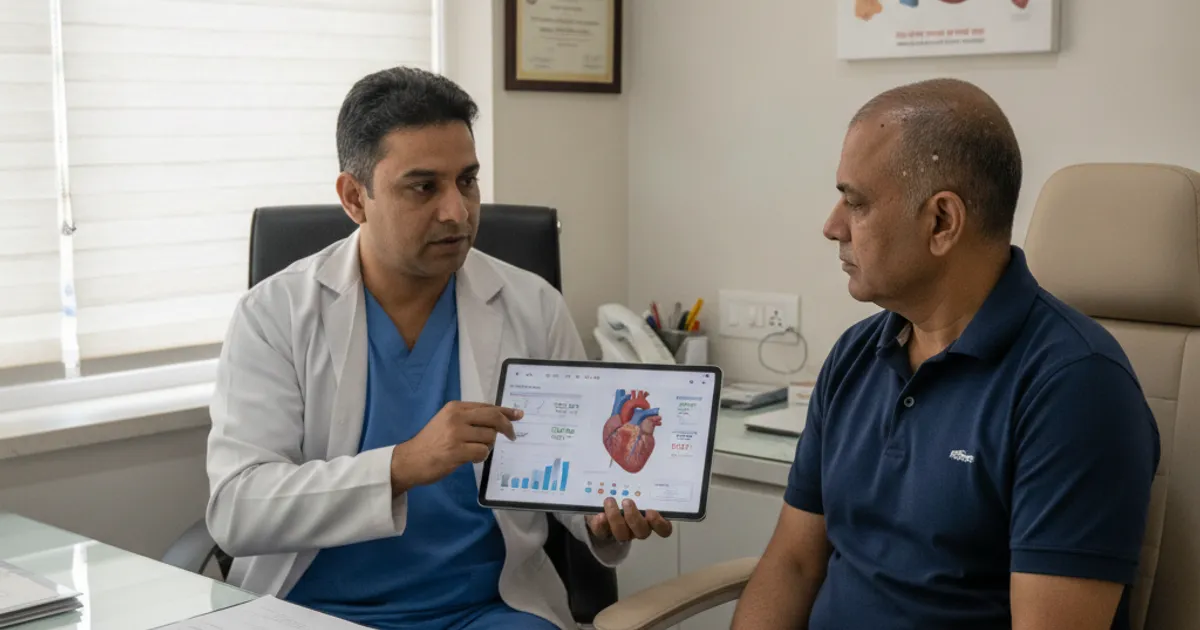
Hair Transplant for Men With a Heart Condition: Risks and Clearance
If you have a heart condition and you're considering a hair transplant, you're probably wondering whether it's safe. The short answer: it can be, but it requires careful planning and medical clearance. A hair transplant is usually a low-risk procedure, but having a heart condition changes the risk profile. It affects everything from anesthesia choices to which medications you can take during recovery. This guide walks you through the key considerations so you can make an informed decision and work with your doctors to proceed safely.
Why Your Heart Condition Matters for Hair Transplant Surgery
Hair transplant surgery is typically performed under local anesthesia, sometimes with light sedation. That's generally safer for the heart than general anesthesia, but it's not risk-free. The procedure involves injections of epinephrine (adrenaline) mixed with the local anesthetic to control bleeding. Epinephrine can raise heart rate and blood pressure, which may be problematic for people with certain arrhythmias, uncontrolled hypertension, or recent cardiac events. Additionally, the stress of surgery itself—even a minor one—can trigger cardiac events in high-risk patients. Your heart condition also affects which pain medications and hair loss drugs you can safely use during recovery.
- Epinephrine in local anesthetic can increase heart rate and blood pressure.
- Surgical stress may exacerbate conditions like angina or heart failure.
- Blood-thinning medications increase bleeding risk during and after surgery.
- Some hair loss drugs (e.g., minoxidil) can interact with heart medications.
- Prolonged lying flat during surgery may be uncomfortable for those with heart failure or back issues.
Common Heart Conditions and How They Affect Hair Transplant Risk
Not all heart conditions carry the same risk. The table below outlines typical considerations for some common conditions. This is a general guide—your cardiologist will assess your specific situation.
| Heart Condition | Typical Considerations for Hair Transplant |
|---|---|
| Controlled hypertension | Usually safe if blood pressure is well managed. Monitor during surgery. |
| Coronary artery disease (stable) | May require cardiologist clearance. Avoid epinephrine if possible. |
| Heart failure (mild to moderate) | Higher risk; may need hospital-based procedure with monitoring. |
| Arrhythmia (e.g., atrial fibrillation) | Epinephrine can trigger arrhythmias; use with caution. |
| Recent heart attack or stent | Usually postpone elective surgery for several months (often around 6). |
| Valve disease or artificial valve | Antibiotic prophylaxis may be needed to prevent endocarditis. |
Medications That Can Complicate Hair Transplant Surgery
Many heart medications affect bleeding, blood pressure, or interact with drugs used during surgery. It's crucial to review all your medications with both your cardiologist and the hair transplant surgeon. Never stop or change heart medications without medical advice.
- Anticoagulants (e.g., warfarin, apixaban, rivaroxaban) increase bleeding risk. Your surgeon may adjust timing.
- Antiplatelet drugs (e.g., aspirin, clopidogrel) also increase bleeding; sometimes continued for cardiac protection.
- Beta-blockers can blunt heart rate response; may interact with epinephrine.
- Blood pressure medications may cause dizziness or hypotension during surgery.
- Minoxidil (oral) used for hair loss can lower blood pressure and cause fluid retention—caution with heart failure.
How to Get Medical Clearance Before Your Hair Transplant
Medical clearance is the process of getting your cardiologist (and sometimes your primary care doctor) to confirm you're fit for surgery. It's not just a formality—it's your safety net. Here's a step-by-step approach.
What to Expect at Your Pre-Op Consultation
The pre-op consultation is where you and your surgeon plan the details. With a heart condition, expect a more thorough discussion than usual. The surgeon will want to understand your cardiac history, current medications, and any limitations. Be honest and thorough—downplaying symptoms can put you at risk.
- Review of your cardiac history, including any past surgeries, stents, or events.
- Blood pressure and heart rate check; possibly an ECG if not recently done.
- Discussion of anesthesia options and whether epinephrine can be used.
- Review of all medications and supplements; plan for any adjustments.
- Assessment of how well you can lie flat for several hours.
- Emergency plan: what to do if you experience chest pain or palpitations during surgery.
Planning Your Surgery: Anesthesia and Monitoring Options
The type of anesthesia and level of monitoring can significantly affect safety. Most hair transplants use local anesthesia with optional oral sedation. For patients with heart conditions, a more conservative approach may be wise. The table below compares common options.
| Anesthesia Option | Typical Use | Considerations for Heart Patients |
|---|---|---|
| Local anesthesia (with epinephrine) | Standard for most hair transplants | Epinephrine may be avoided or reduced; monitor heart rate. |
| Local anesthesia (without epinephrine) | Alternative for those sensitive to epinephrine | Less bleeding control; procedure may take longer. |
| Local + oral sedation | For anxiety or longer sessions | Sedatives can affect blood pressure; monitoring needed. |
| Local + IV sedation (conscious sedation) | For complex cases or high anxiety | Requires monitoring; may be done in a facility with cardiac support. |
| General anesthesia | Rarely used for hair transplant | Higher risk; reserved for special cases with hospital setting. |
Aftercare and Recovery When You Have a Heart Condition
Recovery after a hair transplant is usually straightforward, but a heart condition means you should be a bit more cautious. Follow your surgeon's and cardiologist's instructions closely. Here are key steps to a safe recovery.
Red Flags: When to Call Your Doctor After Surgery
Most people recover without issues, but knowing the warning signs can help you act quickly. Contact your doctor immediately if you experience any of the following.
- Chest pain, pressure, or tightness
- Shortness of breath or difficulty breathing
- Palpitations or irregular heartbeat
- Dizziness, fainting, or lightheadedness
- Unusual swelling in the legs or ankles
- Excessive bleeding from the donor or recipient sites
- Signs of infection at the surgical site (fever, redness, pus)
Frequently Asked Questions
Can I have a hair transplant if I've had a heart attack?
It depends on how recent the heart attack was and your current cardiac stability. Most surgeons recommend waiting several months (often around 6) after a heart attack and obtaining clearance from your cardiologist. Your cardiologist will assess your overall risk and may recommend specific precautions.
Is local anesthesia safe for someone with a heart condition?
Local anesthesia is generally safer than general anesthesia for heart patients, but it often contains epinephrine, which can affect heart rate and blood pressure. Your surgeon can use a formulation without epinephrine if needed, though it may increase bleeding. Discuss this with your cardiologist and surgeon.
Do I need to stop my blood thinners before a hair transplant?
Possibly. Blood thinners increase bleeding risk, but stopping them can increase the risk of clots. Your cardiologist should decide whether to pause them and for how long. Never stop blood thinners without medical advice. The hair transplant surgeon will coordinate with your cardiologist.
Can I take minoxidil for hair loss if I have a heart condition?
Oral minoxidil is a blood pressure medication and can interact with other heart drugs. It may cause fluid retention or low blood pressure. Topical minoxidil is generally safer because it has minimal systemic absorption. Always consult your cardiologist before starting any hair loss treatment.
More Guides
- How to Document Hair Loss Progression for a Clinic Visit
Learn how to track hair loss progression with consistent photos, notes, and other methods so your clinic consultation is accurate and productive.
- How Many Hair Transplants Can You Have? Donor Limits
How many hair transplants can you have? Learn about donor limits, graft counts, safe spacing between sessions, and aftercare planning in this practical guide.
- Finasteride Coupons & Discount Cards: How to Pay Less
Learn how finasteride coupons and discount cards work, where to find legitimate ones, and how to use them at the pharmacy to lower your prescription costs.
- Donor Hair for Transplant: Graft Math Explained
How much donor hair do you need for a transplant? Learn the graft math, safe extraction limits, and planning tips to protect your donor area.