
Hair Transplant Implanter Pen: Procedure, Cost & Results
What is a hair transplant implanter pen? Learn how it works, who it suits, recovery, results, and costs. Compare techniques and find clinics.
What Is a Hair Transplant Implanter Pen?
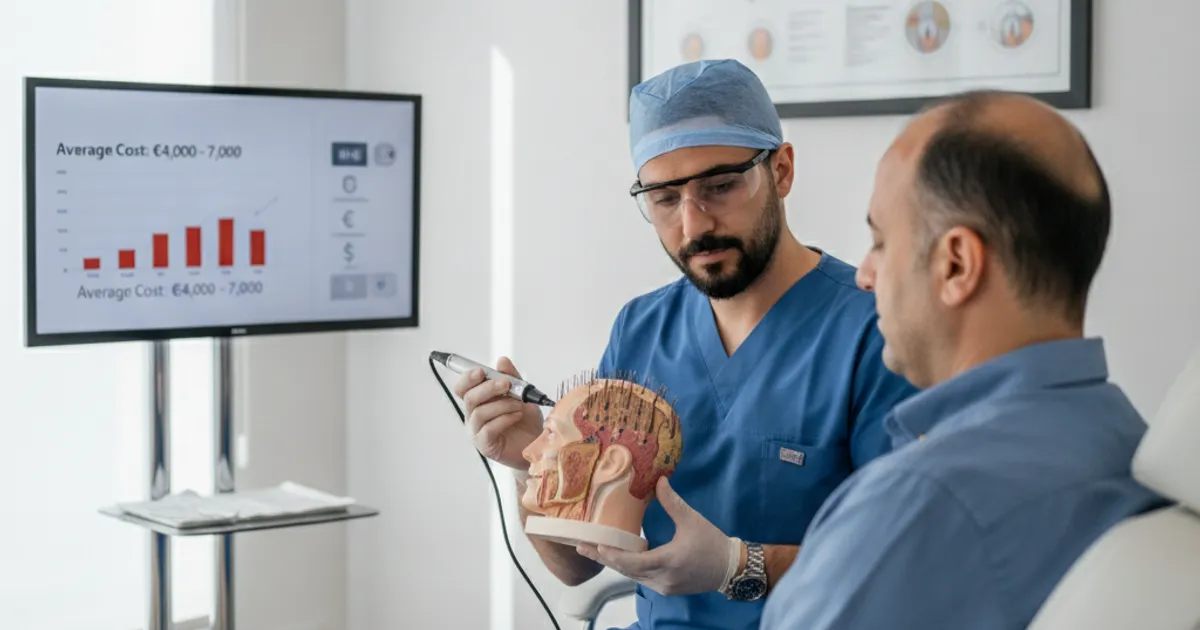
A hair transplant implanter pen is a surgical tool used to place hair grafts into the scalp during a transplant. Instead of making a recipient site with one instrument and then pushing the graft in with forceps, the implanter pen does both in one motion. The graft is loaded into a hollow needle at the tip of the pen, the needle makes a tiny slit in the scalp, and a plunger deposits the graft at the right depth. It sounds simple, and in skilled hands it is, but the device changes how the procedure feels for the surgeon and how the grafts are handled.
- Also called a Choi implanter pen, after the doctor who popularised it
- Combines incision and graft placement in a single step
- Reduces the time grafts spend outside the body
- Allows very dense packing without extra trauma to the scalp
- Comes in different needle sizes to match graft thickness
How the Implanter Pen Is Used During a Hair Transplant
The implanter pen is used during the placement phase of a hair transplant, after the donor grafts have been extracted and sorted. Here's the general sequence you'd see in a clinic that uses this tool.
Implanter Pen vs. Other Implantation Techniques
There are two main alternatives to the implanter pen: the forceps method (sometimes called the stick-and-place technique) and the pre-made slit technique. Each has trade-offs in speed, graft handling, and how much control the surgeon has over angle and depth.
| Technique | How It Works | Main Advantage | Main Drawback |
|---|---|---|---|
| Implanter pen | Graft loaded into hollow needle; incision and placement in one step | Less graft handling, faster placement, tight control of angle | Requires a skilled surgeon; pen can damage grafts if misused |
| Forceps (stick-and-place) | Surgeon makes slit with one tool, then uses forceps to insert graft | Widely used, no special pen needed | More graft handling, slower, can crush grafts if forceps slip |
| Pre-made slits | All recipient sites made first, then grafts inserted later | Can be faster for large sessions | Grafts sit outside body longer; sites may close before placement |
- Implanter pens tend to be favoured for dense packing and hairline work where angle matters
- Forceps are still common and can produce excellent results in experienced hands
- Some surgeons use a mix of techniques depending on the zone of the scalp
- The technique matters less than the surgeon's consistency and graft survival rates
Recovery After an Implanter Pen Hair Transplant
Recovery from an implanter pen procedure is similar to other follicular unit extraction (FUE) transplants. The pen itself doesn't change the healing timeline much, but because the incisions are very small, some patients report less crusting and faster healing of the recipient area.
- First few days: Swelling and tenderness in the forehead and scalp. Sleep propped up to reduce swelling.
- First week: Small scabs form around each graft. Wash gently with a mild shampoo as instructed.
- Second week: Most scabs have fallen off. Grafts are secure but still fragile.
- Weeks 3–6: Shock loss may occur. Transplanted hairs shed, which is normal.
- Months 3–4: New growth starts. Hairs are fine and may look uneven.
- Months 6–9: Density improves noticeably. This is when most patients see the real change.
- Month 12: Final results are usually visible. Some clinics say full maturation takes longer.
Results and Realistic Expectations
The implanter pen can produce natural-looking hairlines and good density when used by an experienced surgeon. But it's not a magic wand. Results depend on donor hair quality, the number of grafts placed, and how well the grafts survive the procedure.
- Expect a noticeable improvement, not a full head of hair if you were extensively bald
- Hairline work tends to look natural because the pen allows precise angle control
- Density varies. Some patients need a second session to reach their goal
- Graft survival rates are typically high but not guaranteed. Some loss is normal
- Results are permanent for the transplanted follicles, but native hair may continue to thin
Who Is a Good Candidate for an Implanter Pen Procedure?
The implanter pen is suitable for most people who are good candidates for FUE in general. It's particularly useful for patients who need precise hairline work or dense packing in a specific area.
- Men and women with stable hair loss and good donor hair density
- Patients with early to moderate thinning who want to rebuild a hairline
- People who have realistic expectations and understand the recovery process
- Those who can commit to aftercare and avoid smoking, which impairs healing
- Patients who prefer a minimally invasive procedure with small incisions
| Candidate Profile | Suitability | Notes |
|---|---|---|
| Early hair loss, stable | Excellent | Ideal for hairline refinement and density |
| Moderate hair loss | Good | May need multiple sessions; results depend on donor supply |
| Advanced hair loss | Possible but limited | Focus on coverage rather than density; may need multiple sessions |
| Active hair loss | Not ideal | Wait until loss stabilises or use medication first |
| Poor donor area | Poor | Not enough grafts for meaningful results |
Cost of an Implanter Pen Hair Transplant
The implanter pen itself doesn't usually add a premium to the price. Most clinics charge based on the number of grafts or a flat fee per session, regardless of the tools used. What you pay depends on your location, the clinic's reputation, and how many grafts you need.
- Prices vary widely by country and clinic.
- Some clinics charge per graft, others charge a flat fee for the day.
- Additional costs may include consultations, blood tests, and medication.
- Travel and accommodation are not always included. Ask for a full quote.
What’s Typically Included in the Price?
Inclusions vary from clinic to clinic. Some bundle everything into one price, while others charge separately for extras. Always ask for a written breakdown before you commit.
- Pre-operative consultation and hair analysis
- The transplant procedure itself, including surgeon and team fees
- Local anaesthesia and sedation if needed
- Post-operative medication and aftercare instructions
- Follow-up appointments
- Some clinics may include additional therapies as part of a package
Choosing a Clinic for Implanter Pen Hair Transplant
The clinic and surgeon matter more than the tool. Look for a surgeon who performs implanter pen procedures regularly and can show you consistent results. Don't be swayed by low prices alone.
- Check the surgeon's credentials and whether they are a member of a recognised body
- Ask how many implanter pen procedures they perform per month
- Request before-and-after photos of patients with similar hair loss to yours
- Read independent reviews and look for red flags like pressure to book immediately
- Ensure the clinic offers a clear aftercare plan and follow-up schedule
Frequently Asked Questions
Is the implanter pen better than the forceps method?
Not necessarily. Both can produce excellent results. The implanter pen reduces graft handling and can be faster, but it requires a skilled surgeon. Forceps are still widely used and can be just as effective in experienced hands. The best technique is the one your surgeon is most proficient with.
Does the implanter pen hurt?
The procedure is done under local anaesthesia, so you shouldn't feel pain during the transplant. Some patients feel pressure or a mild stinging when the anaesthetic is injected. Afterward, the scalp may be tender for a few days, which is manageable with over-the-counter pain relief.
How long does a full recovery take?
Most patients can return to work within a week. Scabs fall off within a couple of weeks. New hair starts growing around month 3–4, with final results visible at 12 months. Full maturation can take longer.
Can I get an implanter pen transplant if I have afro-textured hair?
Yes, but it requires a surgeon experienced with curly hair. The implanter pen can be used, but graft extraction and placement angles need careful handling to avoid damaging the follicles. Look for a clinic that regularly treats patients with your hair type.
More Guides
- Hair Transplant for Curly Hair: Graft and Technique Tips
A plain-English guide to hair transplants for curly hair: how surgeons adapt graft harvesting and placement, recovery, results, costs, and who it suits.
- How Long Does a Hair Transplant Last? Long-Term Durability
How long does a hair transplant last? We explain the procedure, recovery, durability, costs by stage of hair loss, and how it compares to alternatives.
- Hair Transplant Revision: When a Second Procedure Makes Sense
Considering a hair transplant revision? Learn how a second procedure works, who it suits, recovery, results, and costs. Expert explainer from Clinic Reccy.
- Hair Transplant for Norwood 6 and 7: What's Possible
A clear look at hair transplant options for Norwood 6 and 7 hair loss: graft limits, staging, recovery, costs, and realistic results.