
Hair Transplant in Winter vs Summer: Does Season Matter?
Does season affect hair transplant recovery? Compare winter vs summer for healing, sun exposure, and growth. Get expert insights and plan your procedure.
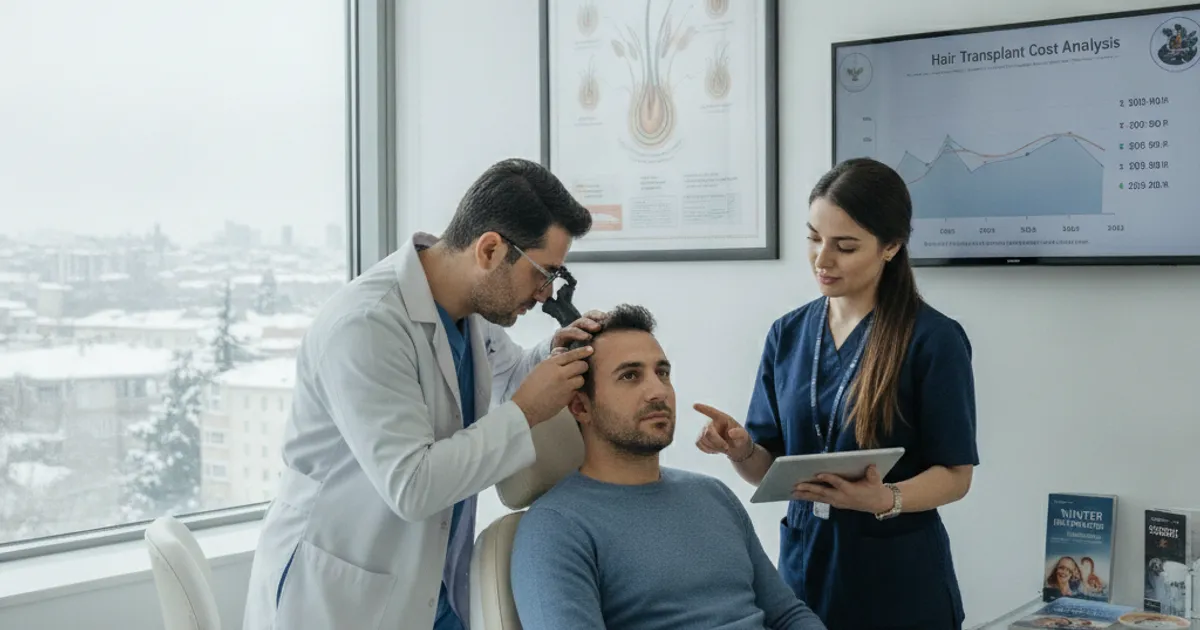
No, the season does not directly affect the outcome of a hair transplant. The success of the procedure depends on surgical skill, aftercare, and your body's healing response—not the weather. However, winter and summer each bring practical pros and cons for recovery comfort and sun protection, so your choice should hinge on lifestyle and how well you can follow post-op instructions.
What are the key differences between winter and summer for hair transplant recovery?
| Factor | Winter | Summer |
|---|---|---|
| Sun exposure risk | Low—easier to avoid direct sun | High—requires strict sun protection |
| Scalp sweating | Minimal—less irritation | Frequent—may increase infection risk if hygiene slips |
| Hat/headwear comfort | Natural to wear beanies | Uncomfortable in heat |
| Outdoor activities | Limited—less temptation to overdo it | High—more temptation to swim or exercise |
| Clinic availability | Varies—some clinics report seasonal demand changes, but no reliable data confirms a consistent pattern | Varies—scheduling flexibility depends on the individual clinic, not the season |
| Travel conditions | Possible weather delays | Generally smooth |
- Winter reduces sun exposure but may require travel planning for snow.
- Summer makes sun protection harder but offers more clinic scheduling flexibility.
- Both seasons require strict adherence to post-op care for optimal results.
How does winter weather affect the transplanted area?
Cold weather itself doesn't harm grafts, but dry indoor air and heavy hats can cause friction. The main advantage is that you're less likely to expose your scalp to harsh UV rays, which can damage healing skin. Just be careful with woolly hats—opt for loose, clean headwear.
- Low UV index: easier to protect the scalp from sun damage.
- Dry air: may cause itching; use a humidifier and moisturize as advised.
- Hat season: convenient to cover up, but choose soft, breathable fabrics.
- Less sweating: reduces risk of irritation and infection.
How does summer weather affect the transplanted area?
Heat and humidity increase sweating, which can make the scalp itchier and slightly raise infection risk if hygiene slips. Sun exposure is the bigger concern—UV rays can burn the graft site and cause hyperpigmentation. You'll need to be diligent with hats and shade.
- High UV: must avoid direct sun for at least 3–6 months; hats and sunscreen (after clearance) are essential.
- Sweating: may cause irritation; keep the scalp clean and dry.
- Swimming: avoid pools, lakes, and the sea for at least 2–3 weeks to prevent infection.
- Outdoor activities: limit strenuous exercise that makes you sweat heavily.
Which season is better for avoiding sun exposure?
Winter is clearly better for sun avoidance. With shorter days and weaker UV rays, you're less likely to accidentally expose your scalp. In summer, you'll need to plan outdoor time carefully, wear a hat, and use sunscreen once your surgeon approves it. If you live in a sunny climate year-round, winter still offers a reprieve.
Does season impact hair growth after transplant?
No—hair growth cycles are internal and not influenced by seasons. Grafts will shed and regrow on their own timeline regardless of weather. Some people notice seasonal shedding in autumn or spring, but that's a normal hair cycle and not related to the transplant. Focus on aftercare, not the calendar.
What should you consider when choosing a season for your hair transplant?
- Your lifestyle and ability to follow post-op rules matter more than the season.
- If you choose summer, plan for sun protection and avoid swimming.
- If you choose winter, be mindful of dry air and hat friction.
Frequently asked questions
Is it better to get a hair transplant in winter or summer?
Neither is medically superior. Winter makes sun avoidance easier, while summer offers more scheduling flexibility. Choose based on your lifestyle and ability to follow aftercare.
Can cold weather damage hair grafts?
No, cold weather itself doesn't harm grafts. Just avoid tight hats and keep the scalp moisturized to prevent dryness.
How long after a hair transplant can I go in the sun?
Avoid direct sun for at least 3–6 months. After that, use sunscreen and hats to protect the scalp. Confirm exact timing with your surgeon.
Does sweating affect graft survival?
Excessive sweating can irritate the scalp and may increase infection risk if hygiene slips, but it won't directly kill grafts if you keep the area clean and dry.
More Guides
- Does Hair Fall More in Autumn? Seasonal Shedding Explained
Does hair fall more in autumn? Learn why seasonal shedding peaks in fall, how much is normal, what science says, and when to see a specialist.
- Finasteride Half-Life: How Long Does It Stay in Your System?
Finasteride half-life is about 6-8 hours, but it can take days to weeks to fully clear. Learn how long finasteride stays in your system and what affects it.
- Finasteride 5 mg: What It Treats Besides Hair Loss
Finasteride 5 mg is mainly used for benign prostatic hyperplasia (BPH). Learn its uses, how it compares to 1 mg, side effects, and off-label options.
- Hair Transplant and Headaches or Migraines: Is It Safe?
Is a hair transplant safe if you get headaches or migraines? Learn causes, duration, prevention, and when to see a doctor. Get clear answers here.