
Hair Transplant Post-Op Care: Week-by-Week Recovery Guide
A week-by-week hair transplant post-op care guide covering healing, scab shedding, shock loss, growth phases, and when final results appear.
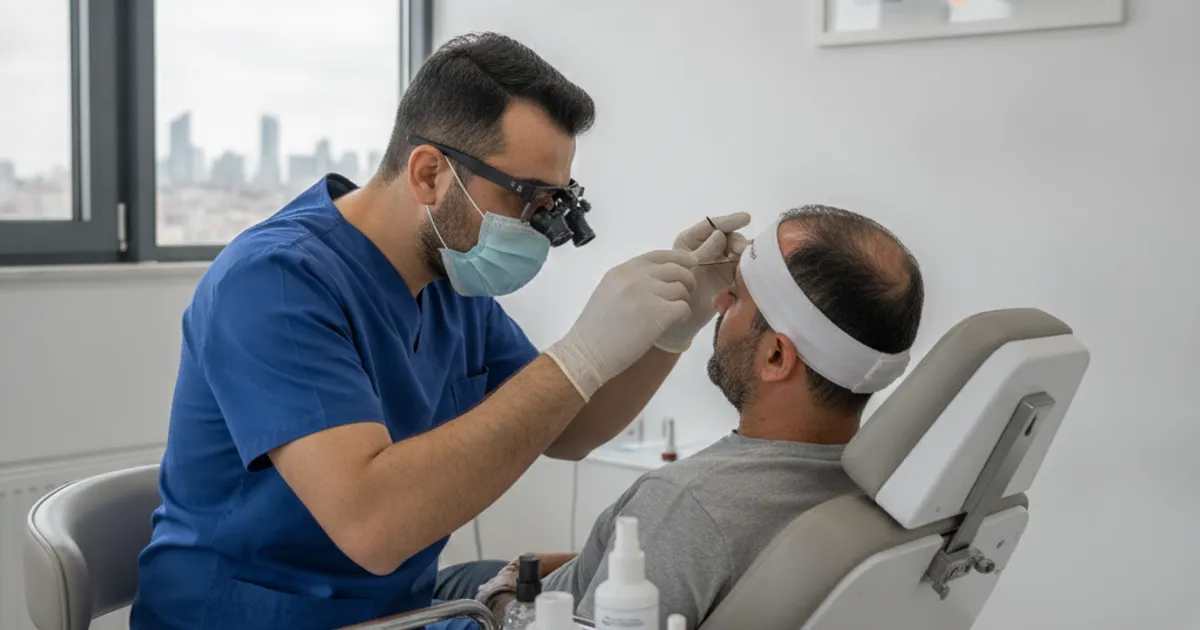
What Is Hair Transplant Post-Op Care and Why It Matters
Hair transplant post-op care is everything you do — and everything you avoid — in the days, weeks, and months after grafts are placed. The surgery itself is only half the job. Once follicular unit grafts are extracted and implanted into the recipient sites, those grafts need a stable environment to anchor, heal, and eventually produce hair. The early days are the most fragile window. After that, the focus shifts to protecting the scalp from irritation, managing the normal shedding phases, and giving the new follicles a clean runway to grow. A good post-op protocol is not complicated, but it is specific. Miss a step early on and you can lose grafts. Get impatient in month two and you may worry unnecessarily about a result that is actually on track.
Week 1: The Critical Healing Phase
The first seven days decide how well the grafts settle. The scalp is raw, the recipient sites are open micro-wounds, and the grafts are essentially held in place by a fibrin clot before new tissue forms around them. Most surgeons ask patients to sleep propped up at an angle for the first few nights to reduce swelling and keep pressure off the recipient area. You will likely be given a saline spray or a specific wound-care solution to mist over the grafts regularly. Crusting starts forming within a couple of days. Do not pick at it.
- Sleep with your head elevated for at least the first few nights.
- Mist the recipient area with saline or the solution your clinic provided, as directed.
- Avoid direct sun, sweating, and any activity that raises your heart rate significantly.
- Do not scratch, rub, or pick at scabs — even if they itch.
- Skip alcohol, smoking, and blood-thinning medications unless your doctor says otherwise.
- Wear loose clothing when dressing to avoid pulling anything over the grafts.
- Take prescribed antibiotics or anti-inflammatories exactly as instructed.
Week 2–3: Early Recovery and Scab Shedding
By around day 10 to 14, most clinics clear patients to wash their hair normally — gently. The scabs and crusts that formed around each graft will start to flake off on their own. Some people see this happen in the shower; others notice it on their pillow. This is normal. The grafts are anchored by now, but the scalp is still healing underneath. Redness in the recipient area is common and can last several weeks. The donor area — whether it was strip or FUE — will also be tender and may show small scabs or pinkness. You can usually return to desk work and light daily activities, but strenuous exercise, swimming, and saunas are still off the table.
- Wash hair gently with a mild, fragrance-free shampoo as directed by your clinic.
- Let scabs fall off naturally — do not scrub or use a comb aggressively.
- Avoid swimming pools, hot tubs, and the ocean until the scalp is fully closed.
- Keep the donor area clean and moisturized if your clinic recommends it.
- Expect some itching — it is part of healing, not a sign something is wrong.
- Wear a loose hat if you need to go outside, but avoid tight caps that rub the grafts.
Week 4–6: Shock Loss and Return to Normalcy
This is where a lot of people panic. Around week 3 to 6, the transplanted hairs — not the follicles — start to shed. This is called shock loss or shedding, and it happens because the hair shaft goes into a resting phase after the trauma of surgery. The follicle itself stays put. You are not losing the transplant. You are watching the old hair fall out so new hair can eventually grow from the same root. At the same time, some people also experience shock loss in the surrounding native hair, which can make the whole area look thinner before it looks better. By week 6, most patients are back to their normal routine, including exercise, provided their clinic has cleared them.
- Shedding is expected — it does not mean the transplant failed.
- You can usually resume moderate exercise around week 4, intense workouts by week 6.
- Avoid harsh chemicals, dyes, or perms on the scalp for at least 6 to 8 weeks.
- Keep using any post-op medications or topical treatments your clinic prescribed.
- Take photos in consistent lighting to track progress objectively.
- Do not judge the result yet — the scalp is still recovering.
Month 2–3: The Ugly Duckling Phase
Months two and three are often called the ugly duckling phase, and the name is fair. Most of the transplanted hair has shed, the scalp may still look slightly pink or uneven, and new growth is just starting to push through. You might see tiny, fine hairs emerging — sometimes unevenly, sometimes in patches. This is normal. The follicles are waking up at different rates. Some people see early growth by month 3; others see almost nothing until month 4. Both are within the normal range. The key is patience. This is not the time to book another procedure or switch clinics. Your body is doing exactly what it is supposed to do.
- New growth often starts as fine, colorless hairs before thickening.
- Growth is rarely symmetrical — one side may come in faster than the other.
- Scalp redness usually fades by month 3, but can linger longer in some people.
- Continue gentle hair care and avoid aggressive styling tools.
- Stay consistent with any prescribed topical or oral treatments.
- Do not compare your month-3 photos to someone else's month-6 photos.
Month 4–6: Early Growth and Texture Changes
By month 4, most patients can see visible new hair. It often comes in thin, wiry, or curly at first — a texture that surprises people who expected their normal hair right away. This is because the new follicles are still maturing. Over the next two months, the hair thickens, darkens, and starts to blend better with the surrounding native hair. You may notice the hair looks a bit unruly or sticks up in odd directions. That is normal. The follicles are still figuring out their angle and cycle. By month 6, many people feel comfortable going without a hat, though the final result is still months away.
- New hair often looks wiry or curly before it softens and matches your natural texture.
- Density improves gradually — you may see more scalp than you expected at month 4.
- You can usually resume normal hair styling, coloring, and cutting by month 6.
- Some clinics recommend PRP or minoxidil to support growth — follow your provider's advice.
- Take monthly photos to see the change you might miss in the mirror.
- Avoid harsh chemical treatments until your clinic confirms the scalp is fully healed.
Month 7–12: Maturation and Final Results
Months 7 through 12 are when the transplant really comes together. The hair thickens, the texture normalizes, and the density fills in. Most surgeons consider 12 months the point at which you can judge the final result, though some patients see continued improvement up to 18 months. The donor area should be fully healed and any numbness or tightness should be gone or nearly gone. If you are unhappy with the density at month 12, that is the time to discuss options with your clinic — not before. Grafts need a full growth cycle to show what they can do.
- Hair texture and color typically match native hair by month 9 to 12.
- Density continues to improve as more follicles enter the growth phase.
- Donor area scarring fades significantly, though it may never disappear completely.
- Final results are usually assessed at 12 months, sometimes 18.
- If you want more density, a second procedure is typically discussed after month 12.
- Maintain a healthy scalp routine and any prescribed treatments to protect your result.
| Timeframe | What Is Happening | What You Should Do |
|---|---|---|
| Week 1 | Grafts anchoring, crusting, swelling | Sleep elevated, mist grafts, avoid touching |
| Week 2–3 | Scabs shed, scalp still healing | Gentle washing, no swimming or saunas |
| Week 4–6 | Shock loss, return to normal activity | Resume exercise gradually, avoid harsh chemicals |
| Month 2–3 | Ugly duckling phase, early growth begins | Be patient, keep taking photos |
| Month 4–6 | Visible growth, texture changes | Normal styling, follow clinic advice |
| Month 7–12 | Maturation and final density | Assess results, discuss options if needed |
Post-Op Care Compared to Alternative Hair Restoration Methods
Hair transplant post-op care is more involved than the aftercare for non-surgical options like minoxidil, finasteride, or low-level laser therapy. Those treatments do not require a healing phase, but they also do not restore hair in bald areas — they mainly slow loss or thicken existing hair. PRP injections have a shorter recovery, usually just a day or two of tenderness, but results are temporary and require repeat sessions. Scalp micropigmentation (SMP) has minimal downtime but is a cosmetic tattoo, not real hair. A transplant is the only option that grows new hair, but it comes with a weeks-long recovery and a months-long waiting period for results.
| Method | Recovery Time | Results Timeline | Maintenance |
|---|---|---|---|
| Hair transplant | 1–2 weeks of restricted activity | 12–18 months for final result | Minimal, but may need medication |
| Minoxidil / finasteride | None | 3–6 months for visible effect | Ongoing use required |
| PRP injections | 1–2 days | 2–3 months per session | Repeat sessions every few months |
| Low-level laser therapy | None | 3–6 months | Regular use required |
| Scalp micropigmentation | 3–5 days | Immediate cosmetic effect | Touch-ups every few years |
Who Is a Good Candidate for Hair Transplant and How to Choose a Clinic
A hair transplant works best for people with stable hair loss, good donor hair density, and realistic expectations. If you are still losing hair rapidly, a transplant may not keep up with the loss. If your donor area is thin, you may not have enough grafts for meaningful coverage. Age matters too — younger patients may need a more conservative plan because future loss is hard to predict. When choosing a clinic, look for surgeons who specialize in hair restoration, show consistent results, and explain the post-op protocol clearly before you book. Ask about graft counts, technique, and what happens if you are unhappy with the result.
- Look for a surgeon who performs hair transplants regularly, not occasionally.
- Ask to see before-and-after photos of patients with similar hair loss patterns.
- Confirm whether the price includes post-op medications, PRP, and follow-up visits.
- Ask about the clinic's policy on touch-ups or revisions.
- Read the post-op instructions before surgery so you know what is expected.
- Check whether the clinic offers remote follow-up if you are traveling.
- Avoid clinics that pressure you into a decision or promise unrealistic density.
Frequently Asked Questions
How long after a hair transplant can I sleep normally?
Most clinics recommend sleeping with your head elevated for the first few nights to reduce swelling and protect the grafts. After that, you can usually return to your normal sleeping position, but avoid putting direct pressure on the recipient area for at least the first two weeks.
Is it normal to lose hair after a transplant?
Yes. Shock loss — where the transplanted hair shafts shed — is expected between weeks 3 and 6. The follicles remain intact. New hair typically starts growing around month 3 to 4, and final results are assessed at 12 months.
When can I exercise again after a hair transplant?
Light walking is usually fine within a few days. Moderate exercise can often resume around week 4, and intense workouts by week 6. Always follow your clinic's specific guidance, especially if you had a large session or FUT procedure.
What happens if I pick at the scabs?
Picking at scabs can pull out grafts before they are anchored, which may reduce the final result. Let scabs fall off naturally during washing. If you are unsure whether something is a scab or a graft, contact your clinic.
More Guides
- What Happens 10 Days After a Hair Transplant?
A clear, honest look at what happens 10 days after a hair transplant: healing, scabs, shedding, results, costs, and who it suits.
- ARTAS Hair Transplant: How It Works and Who It's For
A clear guide to ARTAS hair transplant: how the robotic system works, recovery, results, cost factors, who it suits, and how it compares to other techniques.
- Facial Hair Transplant: Procedure, Recovery & Results
A clear guide to facial hair transplant: how it works, recovery timeline, results, who suits it, cost, and how it compares to alternatives.
- Hair Transplant and Sleep Apnea: CPAP and Recovery
How sleep apnea and CPAP therapy affect hair transplant surgery, recovery, risks, costs, and candidacy. A clear guide for patients with OSA.