
Hair Transplant in Turkey: Red Flags and Tips
Planning a hair transplant in Turkey? Learn to spot red flags, choose a reputable clinic, and manage aftercare and recovery with confidence.
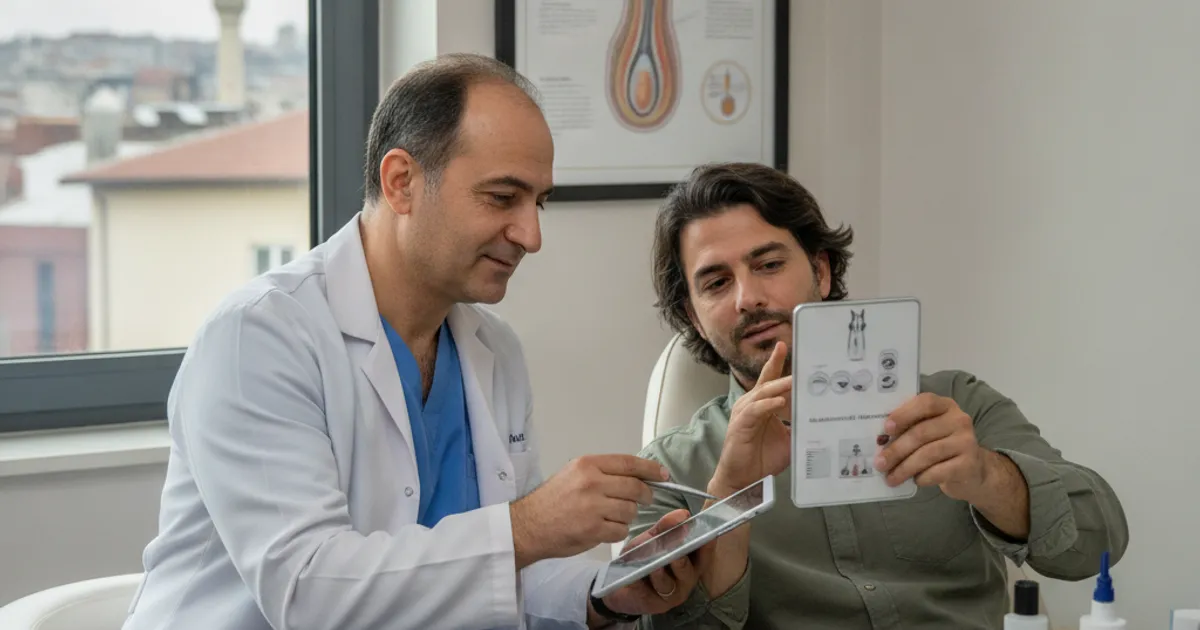
Why Turkey Is a Top Destination for Hair Transplants
Turkey has become one of the most popular places in the world for hair transplants, and it's not hard to see why. The country has a dense concentration of clinics, many offering packages that bundle the procedure with transfers, accommodation, and aftercare. Costs are often lower than in Western Europe or North America, and the volume of procedures performed means many clinics have highly experienced teams. That said, popularity also attracts operators who cut corners. Knowing how to separate a solid clinic from a risky one is the difference between a good result and a costly mistake.
128 clinics listed on Clinic Reccy in Istanbul.
What to Expect: Planning Your Trip and Procedure
Most hair transplant trips to Turkey follow a similar rhythm. You'll usually arrive a day before the procedure, have a consultation and blood tests, then undergo the transplant the next day. The procedure itself can take several hours depending on the number of grafts. Many clinics ask you to stay one or two extra days for a first wash and check-up before you fly home. Planning ahead makes the whole process smoother.
- Book your flights with some flexibility in case the clinic adjusts your dates.
- Check whether your package includes airport transfers and local transport.
- Ask for a written treatment plan with graft estimates before you pay a deposit.
- Confirm the language your consultation will be conducted in.
- Pack loose clothing and a hat that won't rub against the donor area.
- Arrange time off work for the procedure and the first few days of recovery.
Red Flags: How to Spot a Risky Clinic
The hair transplant market in Turkey is largely unregulated compared to some countries, so it pays to be sceptical. A clinic that promises unrealistic density, pushes you to book immediately, or can't tell you who will perform the surgery is a warning sign. So is a price that seems too good to be true. If the consultation is rushed or handled entirely by a salesperson rather than a medical professional, walk away.
- No clear information about the surgeon's name, qualifications, or registration.
- Technicians performing the entire procedure without a doctor present.
- Pressure to pay a deposit before you've had a proper consultation.
- Promises of guaranteed results or a specific number of grafts without examining your scalp.
- No written aftercare instructions or follow-up plan.
- Reviews that look fake, repetitive, or only mention price.
- The clinic can't or won't show you before-and-after photos of real patients.
Tips for Choosing a Reputable Clinic
A good clinic will be transparent, patient, and thorough. They'll ask about your medical history, explain the risks, and give you a realistic idea of what's achievable. They won't rush you. It also helps to check whether the clinic offers online consultations, so you can get a feel for their approach before you travel. Look for clinics that are upfront about what's included and what isn't.
- Ask who will perform each stage of the procedure and how long they've been doing it.
- Request a detailed quote that breaks down the number of grafts and the technique used.
- Check whether the clinic offers a free or online consultation before you commit.
- Look for clinics that provide a written aftercare plan and a way to contact them post-procedure.
- Read reviews across multiple platforms, not just the clinic's own website.
- Ask about the clinic's policy if you're unhappy with the result.
91% of Istanbul clinics on Clinic Reccy offer Online Consultation
What's Included in a Typical Package?
Most hair transplant packages in Turkey include the procedure itself, local transfers, and some level of aftercare. But the details vary a lot. Some clinics throw in accommodation, medications, and PRP sessions; others charge extra. Always ask for a written list of what's covered so there are no surprises.
- Airport transfers and local transport to and from the clinic.
- Hotel accommodation for one or more nights.
- Post-operative medications and shampoo.
- PRP (platelet-rich plasma) sessions as part of aftercare.
- Translator or English-speaking coordinator.
- Follow-up consultations after you return home.
92% of Istanbul clinics on Clinic Reccy offer Transfer Included
Aftercare and Recovery: What You Need to Know
The first two weeks after a hair transplant are critical. Your scalp will be tender, and the grafts need time to settle. Most clinics will give you a spray or lotion to keep the area moist, along with instructions on how to wash your hair. Avoid strenuous exercise, direct sun, and swimming for at least the first couple of weeks. Shedding is normal in the first few months; new growth usually starts to show around the three- to four-month mark.
- Sleep with your head elevated for the first few nights to reduce swelling.
- Don't scratch or pick at the scabs; let them fall off naturally.
- Follow the clinic's washing instructions exactly.
- Avoid alcohol and smoking, as they can slow healing.
- Keep the donor area out of direct sunlight.
- Attend any follow-up appointments, whether in person or online.
Frequently Asked Questions
How long should I stay in Turkey for a hair transplant?
Most people stay for three to four days. That usually covers arrival, the procedure, a first wash, and a check-up before flying home. Some clinics ask for a longer stay depending on the technique used.
Is it safe to get a hair transplant in Turkey?
Yes, when you choose a reputable clinic with qualified staff and proper aftercare. The risks are similar to any surgical procedure, but they increase if you pick a clinic that cuts corners on hygiene, staffing, or follow-up.
What should I ask a clinic before booking?
Ask who will perform the surgery, how many grafts you need, what's included in the package, what the aftercare plan looks like, and what happens if you're not happy with the result. A good clinic will answer all of these clearly.
When will I see results after a hair transplant?
Shedding in the first few weeks is normal. Early growth usually appears around three to four months, with more noticeable results at six to nine months. Full results can take up to a year.
FUE vs DHI vs FUT: Which Technique Fits You
Clinics in Turkey offer several harvesting and implantation methods, and the technique should be chosen based on your hair loss pattern, donor density, and goals rather than on what a package advertises. Understanding the differences helps you ask better questions and spot a clinic that pushes one method on everyone.
- FUE (follicular unit extraction) removes individual grafts with small punches and leaves tiny dot scars; it suits most patients and allows short hairstyles.
- DHI (direct hair implantation) uses a specialised implanter pen to place grafts directly, which some clinics claim gives more control over angle and density; it is often priced higher and requires a skilled operator.
- FUT (strip harvesting) removes a strip of scalp from the donor area and closes it with a line scar; it can yield a high graft count in one session but limits very short haircuts.
- Sapphire FUE refers to blades made of sapphire rather than the overall method; treat it as a tool detail, not proof of quality on its own.
- Ask why a specific technique is recommended for your case, how many grafts it can realistically yield, and who performs each step.
Graft Counts, Sessions, and Realistic Expectations
Graft numbers are one of the most misunderstood parts of a hair transplant. More grafts is not automatically better, and a clinic that quotes a very high number without examining your donor area may be overharvesting or padding the figure. Your donor hair is a finite resource, so planning for the long term matters, especially if your hair loss is likely to progress.
- Graft estimates should follow a scalp examination, ideally with photos and a measurement of donor density, not just a phone call.
- A single session has practical limits; very large sessions can strain the donor area and affect healing.
- Some patients need a second session later, so ask how the clinic plans for future loss and preserves donor reserves.
- Density, hair calibre, and colour contrast all affect how full the final result looks, so discuss the visual outcome rather than a raw number.
- Ask what happens if the graft count on the day differs from the quote, and get the policy in writing.
Safety, Regulation, and What to Check Before Booking
Turkey has a large medical tourism sector, and rules and oversight have evolved over time. Rather than relying on general claims about regulation, verify the specifics of the clinic and the people who will treat you. This is where careful patients separate themselves from those who book on price alone.
- Confirm the full name and medical registration of the surgeon and check it against the relevant Turkish medical authority where possible.
- Ask whether the clinic operates under a health tourism authorisation or hospital affiliation, and request evidence.
- Clarify who performs the incisions and who performs the graft placement; in some clinics technicians do most of the work.
- Ask about emergency protocols, infection control, and what happens if you have a complication after you fly home.
- Check how the clinic handles consent, medical history, and blood tests, and whether an interpreter is medically trained or just a coordinator.
- Keep copies of your treatment plan, consent forms, and receipts in case you need to follow up or raise a complaint.
Frequently Asked Questions
How long should I stay in Turkey for a hair transplant?
Most trips run around three to four days: arrival and consultation, the procedure day, and a first wash or check-up before flying home. Some clinics ask for an extra day. Build in a little flexibility in case your schedule shifts.
Is it safe to fly home soon after the procedure?
Many patients fly home a few days after surgery, but confirm with your clinic. Pressurised cabins, swelling, and comfort are considerations, and your clinic may advise a specific timing based on your healing.
Can I combine a hair transplant with a holiday?
You can travel, but the first days involve tenderness, restricted washing, and avoiding sun and swimming. Plan any sightseeing for after the critical early recovery period, and follow your clinic's aftercare rules.
What if I am unhappy with the result?
Ask in advance about the clinic's policy for revisions or suboptimal results, including any costs and timeframes. Get this in writing before you book, and keep progress photos so any concerns can be discussed with evidence.
Do I need to stop any medications before surgery?
Some medications and supplements can affect bleeding or healing. Disclose everything to the clinic during consultation and follow their guidance rather than stopping anything on your own.
Compare Clinics
Browse and compare verified clinics with real pricing.
Destinations
More Guides
- How Long After Finasteride Before a Hair Transplant?
Planning a hair transplant while on finasteride? Learn the typical waiting period, why timing matters, and how to coordinate with your surgeon for best results.
- Early Symptoms of Hair Loss: What to Watch For First
Learn the early symptoms of hair loss, how to track them, and when to see a specialist. Plan ahead with treatment options and costs.
- Alopecia Treatment: A Comprehensive Guide
A practical guide to alopecia treatment: types, diagnosis, medications, surgery, recovery timeline, and aftercare. Plan your hair restoration with confidence.
- Hair Loss Causes: What You Can and Can't Control
Understand hair loss causes, what's controllable, and how to plan a transplant. Practical guide to factors, aftercare, and when to see a specialist.