
No Shave Hair Transplant: What You Need to Know
A no shave hair transplant lets you keep your hair long during the procedure. Learn how it works, who it's for, recovery, and how to choose a clinic.
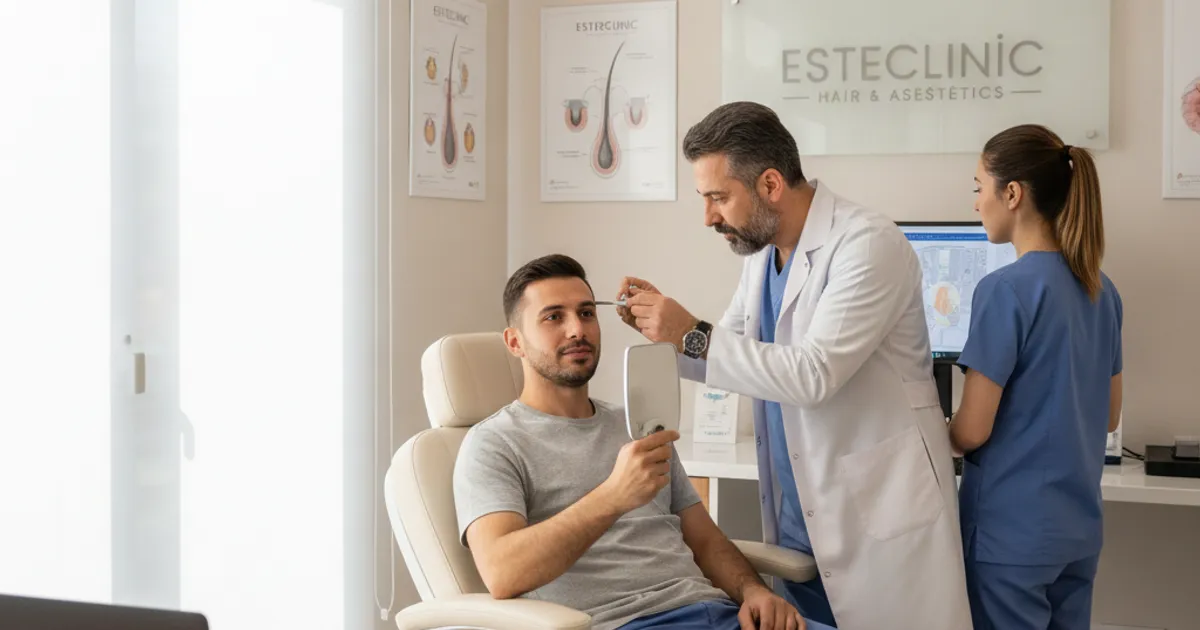
What is a no shave hair transplant?
A no shave hair transplant is a hair restoration procedure where the surgeon extracts and implants hair grafts without shaving your donor or recipient areas. Unlike traditional hair transplants that require shaving your head, a no shave transplant lets you keep your existing hair length throughout the process. This means you can return to work and social activities much sooner without an obvious shaved look.
How does a no shave hair transplant work?
The procedure follows the same basic steps as a standard FUE transplant, but with extra care taken to preserve your existing hair. Here's how it typically goes:
- Step 1: Consultation and planning — The surgeon examines your donor area and designs the hairline, marking the areas to treat.
- Step 2: Local anaesthesia — Your scalp is numbed so you stay comfortable throughout the procedure.
- Step 3: Graft extraction — Using a micro-punch tool, the surgeon removes individual hair follicles from the donor area. Only the follicles are trimmed; surrounding hair stays long.
- Step 4: Graft preparation — The extracted grafts are sorted and kept in a holding solution.
- Step 5: Implantation — The surgeon creates tiny incisions in the recipient area and places each graft at the correct angle and depth.
- Step 6: Aftercare — You leave the clinic with a bandage or cap. No shaving is required at any point.
Who is a good candidate for a no shave hair transplant?
Not everyone is a suitable candidate. The best results come from patients who meet certain criteria:
- You have long enough hair in the donor area to camouflage extraction sites.
- You have mild to moderate hair loss — advanced baldness may require shaving for better access.
- Your donor hair is dense enough to provide sufficient grafts.
- You are in good general health and have realistic expectations.
- You prefer to avoid the shaved look during recovery.
No shave vs traditional hair transplant: what's the difference?
The main difference is whether your head is shaved. Here's a side-by-side comparison:
| Feature | No Shave Hair Transplant | Traditional Hair Transplant |
|---|---|---|
| Shaving required | No | Yes (donor and/or recipient area) |
| Procedure time | Longer (more careful extraction) | Shorter |
| Visibility after procedure | Minimal — existing hair hides it | Obvious shaved patches |
| Recovery look | Can return to work sooner | May need time off until hair grows |
| Cost | Usually higher | Standard pricing |
| Best for | Mild to moderate loss, long hair | All levels of loss, including advanced |
What are the advantages and disadvantages of a no shave hair transplant?
Like any procedure, there are pros and cons. Here's a balanced look:
- Pros: No shaved head, faster return to normal appearance, less self-consciousness, good for professionals and public-facing roles.
- Cons: Longer procedure time, higher cost, not suitable for advanced hair loss, risk of damaging existing hair if not done carefully.
How much does a no shave hair transplant cost?
Costs vary by clinic, location, and the number of grafts needed. No shave procedures typically take longer and require more precision, which can affect the final price. Here are average price ranges based on stage of hair loss:
How long does a no shave hair transplant take to recover?
Recovery is similar to standard FUE, but you won't have a shaved head to hide. Here's a typical timeline:
- Day 1–3: Mild swelling and redness. You can wear a loose cap. Avoid touching the grafts.
- Week 1: Scabs form and begin to fall off. You can wash your hair gently after a few days.
- Week 2–3: Most scabs gone. Transplanted hair may shed — this is normal.
- Month 3–4: New hair starts to grow.
- Month 6–9: Significant growth visible.
- Month 12: Final results.
How do I choose a clinic for a no shave hair transplant?
Choosing the right clinic is crucial for natural-looking results. Here's what to look for:
- Check the surgeon's experience with no shave FUE specifically.
- Look for before-and-after photos of patients with similar hair type and loss.
- Read reviews and ask for references.
- Ensure the clinic uses the latest micro-punch tools to minimise damage.
- Ask about the number of grafts per session and the expected density.
- Confirm aftercare support and follow-up appointments.
Frequently asked questions about no shave hair transplants
Is a no shave hair transplant painful?
The procedure is performed under local anaesthesia, so you shouldn't feel pain during it. Some soreness and tightness are normal for a few days after.
Can I wear a hat after a no shave hair transplant?
Yes, but only a loose-fitting hat that doesn't touch the grafts. Avoid tight caps for the first couple of weeks.
How soon can I go back to work?
Many people return to desk jobs within a few days. If your job involves physical labour or heavy sweating, wait a bit longer.
Will people notice I had a transplant?
Because your existing hair stays long, it's much less noticeable than a traditional transplant. Most people won't see anything unusual after a few days.
More Guides
- Hair Transplant and Blood Thinners: Safety and Timing
Can you have a hair transplant on blood thinners? Learn why they matter, which ones raise bleeding risk, how long to stop before surgery, and when to restart.
- Finasteride and PSA Testing: What You Need to Know
Finasteride lowers PSA levels, so your test results need careful interpretation. Learn how finasteride affects PSA, the adjustment factor, and what to tell your
- Can You Cure a Receding Hairline? What's Realistic
Can you cure a receding hairline? Learn what's realistic with medications, transplants, and lifestyle changes, plus expected results and costs.
- Minoxidil Hair Thinning Before Growth: Is It Normal?
Is minoxidil hair thinning before growth normal? Yes, it's a common sign the treatment is working. Learn why it happens, how long it lasts, and when to worry.