
When Can I Sleep Normally After a Hair Transplant?
Most people can sleep normally 10–14 days after a hair transplant. Learn the sleep timeline, positions, and tips to protect new grafts.
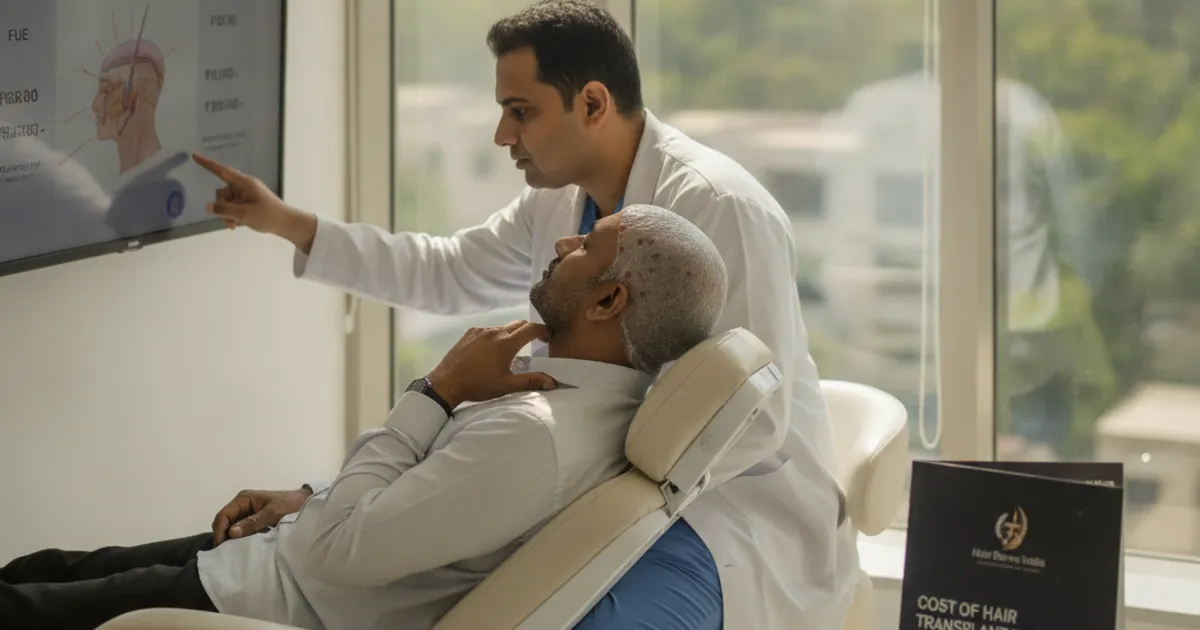
When can I sleep normally after a hair transplant?
Most people can return to their normal sleep position about 10 to 14 days after a hair transplant. Until then, you'll need to sleep upright or on your back with your head elevated to protect the newly placed grafts. This guide walks you through a typical sleep timeline, practical tips for getting comfortable, and what to do if you accidentally roll over. Always follow your own surgeon's instructions, as recovery can vary.
Why is sleep position important after a hair transplant?
The first few days after surgery are critical for graft survival. Newly implanted follicles are fragile and can be dislodged by friction, pressure, or rubbing. Sleeping in the wrong position can accidentally pull out grafts or reduce their chance of taking root. Elevating your head also helps minimize swelling and fluid buildup, which can make recovery more comfortable.
- Grafts are most vulnerable in the first 3–5 days.
- Pressure on the recipient area can dislodge follicles.
- Rubbing against a pillow can cause bleeding or scabbing.
- Elevating your head reduces swelling and fluid buildup.
- Sleeping upright also helps prevent the face from puffing up.
What is the typical sleep timeline after a hair transplant?
Recovery varies, but many clinics follow a similar schedule. Here's a general timeline you can expect. Note that exact days may differ based on your surgeon's protocol and the size of your procedure.
| Time After Surgery | Sleep Position | Notes |
|---|---|---|
| Night 1–3 | Upright (45–60 degrees) or reclined | Use a neck pillow or recliner. Avoid turning. |
| Day 4–7 | Back with head elevated on 2–3 pillows | Grafts are more stable but still fragile. |
| Day 8–10 | Back sleeping, slight elevation | Scabs may start to fall off. Still avoid side sleeping. |
| Day 11–14 | Side sleeping may be okay | Check with your surgeon. Avoid rubbing the area. |
| Day 15+ | Normal sleep positions | Most people can sleep on their stomach again. |
How can I sleep comfortably during the first week?
Sleeping upright isn't natural for most people, but a few tricks can make it easier. The goal is to keep your head elevated and prevent rolling onto the grafts. If you have a recliner, that's often the simplest solution. Otherwise, a wedge pillow or a stack of pillows can create the right angle.
- Use a recliner if you have one — it's the easiest way to stay elevated.
- Stack pillows or use a wedge pillow to create a 45-degree angle.
- Wrap a neck pillow (travel pillow) around your neck to stop your head from turning.
- Place pillows on both sides of your body to block rolling.
- Take any prescribed pain or sleep medication as directed.
- Avoid alcohol and caffeine before bed — they can disrupt sleep.
When can I sleep on my side or stomach again?
Side sleeping is usually safe around day 11–14, once the grafts have firmly taken root. Stomach sleeping should wait until at least day 15, and ideally until your surgeon gives the green light. If you had FUT (strip) surgery, you may need to avoid pressure on the donor scar for a few extra days.
- Day 11–14: Many surgeons allow side sleeping if the recipient area looks stable.
- Day 15+: Stomach sleeping is generally okay, but avoid rubbing the grafts.
- If you had FUT (strip) surgery, avoid pressure on the donor scar for a few extra days.
- Always confirm with your clinic — every case is different.
What happens if I roll over onto the grafts while sleeping?
It's a common worry, but occasional rolling over usually isn't a disaster. The grafts are embedded fairly quickly, and a brief turn may not cause harm. However, repeated friction or pressure can dislodge them. If you wake up on your side, gently return to your back and check for any bleeding or missing grafts. A little spotting is normal, but if you see a graft on the pillow, contact your clinic.
- If you wake up on your side, don't panic — gently return to your back.
- Check for bleeding or missing grafts. A little spotting is normal.
- If you see a graft on the pillow, contact your clinic.
- Avoid scratching or touching the area, even if it itches.
- Use pillows as barriers to prevent rolling in your sleep.
How long until I can sleep without any special precautions?
Most people can ditch the special pillows and sleep however they want by around day 15. After two weeks, the grafts are securely anchored and normal sleep won't affect them. However, if you had a large session or multiple grafts, your surgeon may advise waiting a bit longer. Listen to your body — if the area feels tender, be gentle.
- Day 15: Most precautions can be dropped.
- Week 3–4: Full return to normal sleep, including stomach sleeping.
- If you had a large session or multiple grafts, your surgeon may advise waiting a bit longer.
- Listen to your body — if the area feels tender, be gentle.
Frequently asked questions about sleep after a hair transplant
Can I sleep on a plane after a hair transplant?
It's best to avoid flying for at least 3–5 days. If you must fly, keep your head elevated and wear a loose hat. Check with your surgeon first.
What if I accidentally sleep on my side on night 2?
Don't panic. Gently return to your back. A brief turn likely won't ruin your results, but try to avoid repeating it.
Do I need a special pillow after a hair transplant?
A neck pillow or wedge pillow can help you stay elevated and prevent rolling. A recliner works well too.
How long should I sleep elevated after a hair transplant?
Sleep elevated for at least 3–5 nights. Many surgeons recommend keeping your head elevated for the first 7–10 days to reduce swelling. Follow your clinic's specific instructions.
Related guides
More Guides
- Hair Transplant and Blood Thinners: Safety and Timing
Can you have a hair transplant on blood thinners? Learn why they matter, which ones raise bleeding risk, how long to stop before surgery, and when to restart.
- Finasteride and PSA Testing: What You Need to Know
Finasteride lowers PSA levels, so your test results need careful interpretation. Learn how finasteride affects PSA, the adjustment factor, and what to tell your
- Can You Cure a Receding Hairline? What's Realistic
Can you cure a receding hairline? Learn what's realistic with medications, transplants, and lifestyle changes, plus expected results and costs.
- Minoxidil Hair Thinning Before Growth: Is It Normal?
Is minoxidil hair thinning before growth normal? Yes, it's a common sign the treatment is working. Learn why it happens, how long it lasts, and when to worry.