
Eyebrow Transplant: Candidacy, Technique, and Recovery
A clear guide to eyebrow transplant surgery: who qualifies, how donor hairs are placed, recovery timeline, results, cost, and how it compares to alternatives.
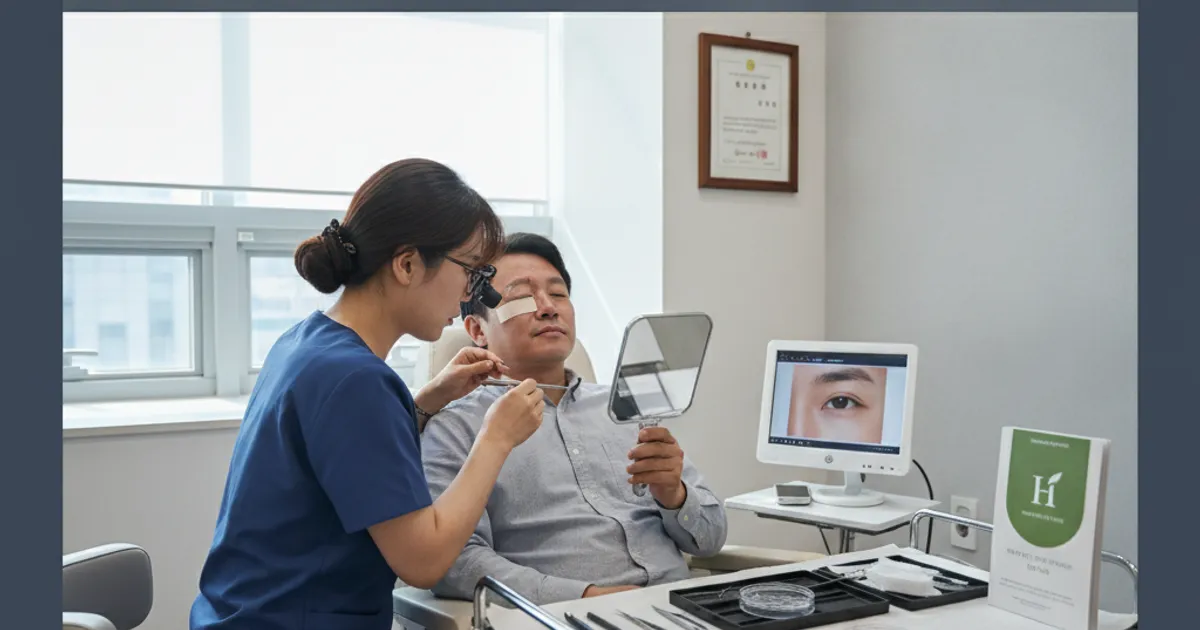
What Is an Eyebrow Transplant?
An eyebrow transplant is a surgical hair restoration procedure that moves individual hair follicles from a donor area — usually the back or side of the scalp — into the eyebrow region. The goal is to rebuild thinning, sparse, or scarred eyebrows with hair that grows naturally. Because eyebrow hair has a different growth pattern and texture than scalp hair, the procedure requires careful angling and selection of fine grafts. It is typically performed by a hair restoration surgeon or a plastic surgeon with specific experience in facial hair transplantation.
Who Is a Good Candidate for an Eyebrow Transplant?
Good candidates are generally healthy adults with realistic expectations and a clear cause for their eyebrow hair loss. The most common reasons people seek the procedure include genetics, over-plucking or traction, scarring from burns or surgery, and hair loss related to medical conditions or treatments. A surgeon will assess donor hair density, skin quality in the eyebrow area, and whether the hair loss is stable. If an underlying condition is active — such as alopecia areata or a thyroid disorder — it should be evaluated and managed before surgery.
- You have stable eyebrow hair loss and enough donor hair on the scalp.
- You are in good general health and do not have active skin infections in the treatment area.
- You understand that transplanted eyebrow hair will need regular trimming because it grows like scalp hair.
- You are not pregnant or breastfeeding, and you are not taking medications that interfere with healing without medical clearance.
- You have realistic expectations about density, symmetry, and the time it takes to see final results.
How an Eyebrow Transplant Is Performed
The procedure is usually done in a single session lasting a few hours, depending on the number of grafts. The exact graft count varies with the size of the area and the desired density; your surgeon will estimate it during consultation. Local anesthesia is used, and many patients remain awake but comfortable throughout. The surgeon designs the eyebrow shape before surgery, taking into account facial symmetry and natural hair direction.
Techniques Used in Eyebrow Transplantation
Two main techniques are used for eyebrow transplants: follicular unit extraction (FUE) and follicular unit transplantation (FUT). FUE involves removing individual follicles with a small punch tool, leaving tiny dot scars. FUT involves removing a strip of scalp skin and dissecting it into grafts, which leaves a linear scar. For eyebrows, FUE is often preferred because it allows precise selection of fine hairs and avoids a visible strip scar. Some surgeons also use a combination approach or specialized instruments to minimize trauma to the delicate eyebrow area.
| Technique | How It Works | Scarring | Typical Use for Eyebrows |
|---|---|---|---|
| FUE (Follicular Unit Extraction) | Individual follicles removed with a small punch | Tiny dot scars | Common; allows fine graft selection |
| FUT (Follicular Unit Transplantation) | Strip of scalp removed and dissected into grafts | Linear scar | Less common; may be used for larger sessions |
| Combination | FUE for fine hairs, FUT for bulk if needed | Depends on mix | Selected cases |
Recovery Timeline and Aftercare
Recovery from an eyebrow transplant is generally straightforward, but the area is visible, so expect some redness and scabbing for the first week or two. Most people can return to desk work within a few days, though strenuous exercise and swimming should wait. The transplanted hairs typically shed within the first month — this is normal and not a sign of failure. New growth generally begins within a few months, and final results typically appear over the course of a year; these are general estimates and individual timelines vary. Aftercare focuses on keeping the area clean, avoiding pressure, and protecting the grafts from sun and friction.
| Timeframe | What to Expect | Aftercare |
|---|---|---|
| Days 1–3 | Swelling, redness, tiny scabs | Gentle cleaning as instructed; sleep elevated |
| Week 1 | Scabs begin to fall off | Avoid rubbing, makeup, and direct sun |
| Weeks 2–4 | Transplanted hairs shed | Resume light activity; avoid heavy sweating |
| Months 3–4 | New growth starts | Normal skincare; sun protection |
| Months 6–9 | Density improves | Trim eyebrows as needed |
| Months 9–12 | Final results | Maintain regular trims |
- Do not pick or scratch scabs; let them fall off naturally.
- Avoid makeup, eyebrow pencils, and tinting until cleared by your surgeon.
- Sleep on your back with your head elevated for the first few nights.
- Skip gym sessions, saunas, and swimming until your surgeon clears you.
- Use sunscreen on the area once healed, and avoid direct sun exposure.
Results: What to Expect and When
Eyebrow transplant results are generally permanent because the transplanted follicles are genetically resistant to the type of hair loss that affects eyebrows. However, the hair grows like scalp hair, so it will continue to grow and need regular trimming. Density depends on the number of grafts and the quality of the donor hair. Most people see noticeable improvement over the first several months, with full results typically around a year; these are general estimates and individual timelines vary. Symmetry and natural appearance depend heavily on the surgeon's skill in angling and placing grafts.
- Transplanted hair is permanent but requires regular trimming.
- Initial shedding is normal and expected in the first month.
- Final density and shape are typically visible around 9–12 months.
- Scarring is minimal with FUE but can be visible if the donor area is shaved or hair is very short.
- Touch-up sessions may be needed for additional density or refinement.
Cost of an Eyebrow Transplant
The cost of an eyebrow transplant varies by surgeon, location, and the number of grafts required. Because eyebrow transplants use relatively few grafts compared to a full scalp transplant, the total price is often lower, but the per-graft cost can be higher due to the precision involved. Pricing is usually quoted per session or per graft, so ask for a written quote. The figures below are averaged case pricing medians for hair transplant procedures by stage of hair loss; they are not specific to eyebrow transplants but give a general sense of the pricing landscape.
Eyebrow Transplant vs. Alternatives
Eyebrow transplant is one option among several for restoring eyebrow hair. Alternatives include topical treatments like minoxidil, cosmetic tattooing (microblading or permanent makeup), and temporary solutions such as eyebrow pencils or powders. Each has trade-offs in terms of cost, permanence, and maintenance. A transplant is the only option that grows real hair, but it is also the most invasive and expensive. Non-surgical options may be suitable for people with mild thinning or those who want to avoid surgery.
| Option | Permanence | Maintenance | Cost Level | Best For |
|---|---|---|---|---|
| Eyebrow transplant | Permanent hair growth | Regular trimming | High | Stable hair loss, desire for real hair |
| Topical minoxidil | Temporary; requires ongoing use | Daily application | Low to moderate | Mild thinning, early intervention |
| Microblading / permanent makeup | Semi-permanent to permanent | Periodic touch-ups | Moderate | Cosmetic enhancement without surgery |
| Eyebrow pencils/powders | Temporary | Daily application | Low | Quick cosmetic fix |
Choosing a Clinic and Surgeon
Choosing the right surgeon is the most important decision in the process. Look for a doctor who specializes in hair restoration and has specific experience with eyebrow transplants, not just scalp procedures. Review before-and-after photos of eyebrow cases, ask about their technique for graft selection and angling, and confirm that they handle complications and follow-up care. Clinic Reccy lists hair transplant providers in many locations; you can filter by procedure and read clinic profiles to compare experience and services.
- Verify the surgeon's credentials and board certification.
- Ask how many eyebrow transplants they perform per year.
- Request to see unretouched photos of eyebrow transplant results.
- Confirm what is included in the quote: anesthesia, facility fees, follow-up, and touch-ups.
- Check whether the clinic offers online consultations if you are traveling.
- Read patient reviews and look for consistent feedback about bedside manner and aftercare.
Frequently Asked Questions
Is an eyebrow transplant painful?
Local anesthesia is used during the procedure, so discomfort is usually minimal. Afterward, the area may feel tender or tight for a few days, but pain is generally manageable with over-the-counter medication.
How long do eyebrow transplant results last?
Results are generally permanent because the transplanted follicles are resistant to the type of hair loss that affects eyebrows. However, the hair grows like scalp hair, so it will need regular trimming.
Can I wear makeup after an eyebrow transplant?
You should avoid makeup on the treated area until your surgeon clears you, typically after the scabs have healed and the area is no longer tender. Your surgeon will give you a specific timeframe based on your healing.
Will the transplanted eyebrows look natural?
When performed by an experienced surgeon who selects fine grafts and places them at the correct angle, the results can look very natural. The key is careful graft selection and attention to hair direction.
More Guides
- Hair Transplant for Men With Sensitive Skin: What to Know
Hair transplant for men with sensitive skin: techniques, recovery, results, cost factors, and how to choose a clinic that handles eczema or psoriasis.
- What Happens 10 Days After a Hair Transplant?
A clear, honest look at what happens 10 days after a hair transplant: healing, scabs, shedding, results, costs, and who it suits.
- ARTAS Hair Transplant: How It Works and Who It's For
A clear guide to ARTAS hair transplant: how the robotic system works, recovery, results, cost factors, who it suits, and how it compares to other techniques.
- Facial Hair Transplant: Procedure, Recovery & Results
A clear guide to facial hair transplant: how it works, recovery timeline, results, who suits it, cost, and how it compares to alternatives.