
Hair Transplant and Exercise: When Can You Work Out?
Learn when you can exercise after a hair transplant. A week-by-week guide to safe return to cardio, strength training, and high-impact activities.
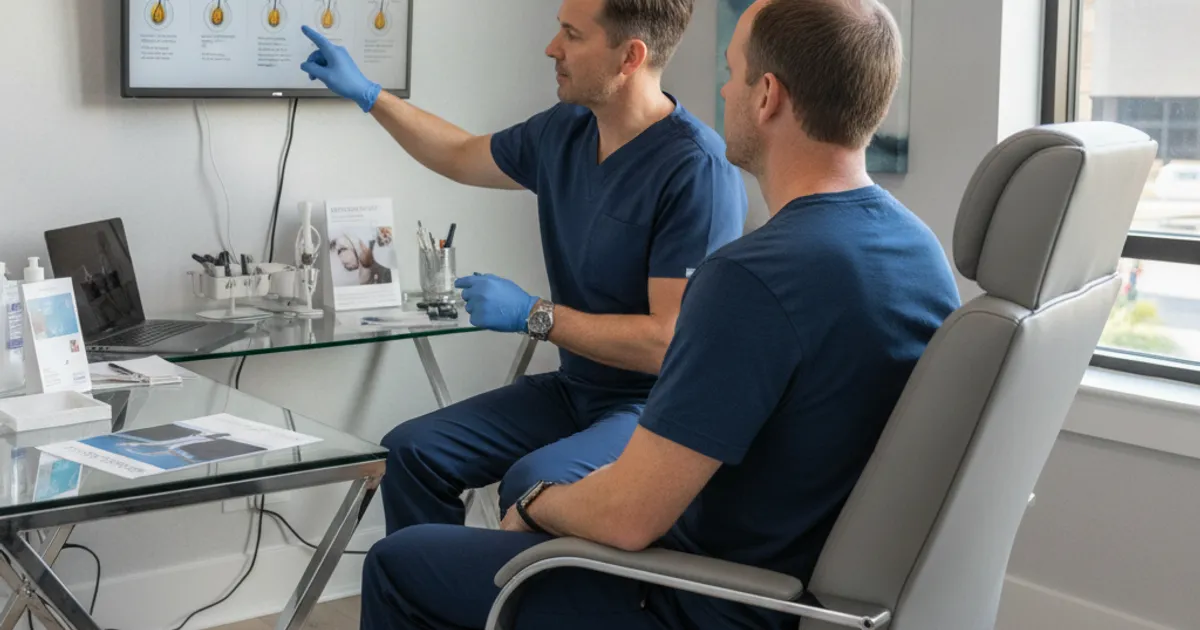
If you're planning a hair transplant, you've probably wondered how long you'll need to put your fitness routine on hold. It's a fair question. Exercise is part of your daily life, and the last thing you want is to undo months of recovery by hitting the gym too soon. The short answer: most people can return to light activity within a week, moderate cardio by week two or three, and full strength training after about a month. But the details matter, and rushing back can cost you grafts. This guide walks you through each stage of recovery so you know exactly what's safe and when.
Why Exercise Timing Matters After a Hair Transplant
Hair transplant surgery involves placing thousands of tiny grafts into the scalp. These grafts are fragile for the first several days. They need a stable environment to anchor and grow new blood vessels. Exercise raises your heart rate and blood pressure, which increases blood flow to the scalp and can cause swelling or bleeding around the graft sites. Sweating also introduces bacteria and irritation. More importantly, strenuous activity can dislodge newly placed grafts before they've had a chance to settle. That's why surgeons give strict instructions about waiting before you resume your normal workout routine. The timeline isn't arbitrary—it's based on how long it takes for grafts to become securely embedded and for the scalp to heal.
The First 72 Hours: Absolute Rest and Protection
The first three days after surgery are the most critical. Your scalp is raw, and the grafts are extremely vulnerable. Your only job is to rest and protect the transplanted area. Avoid any activity that raises your heart rate or causes you to bend over. Even household chores like vacuuming or gardening can be too much. Sleep with your head elevated to reduce swelling, and follow your clinic's instructions for cleaning the scalp. This is not the time to test your limits.
- No exercise of any kind, including walking for fitness.
- Avoid bending, lifting, or straining.
- Keep your head elevated when resting or sleeping.
- Do not touch or scratch the graft area.
- Stay hydrated and eat light, healthy meals.
Week 1: Light Movement and What to Avoid
After the first 72 hours, you can start moving around a bit more, but keep it gentle. Short, slow walks around the house or a brief stroll outside are fine. The goal is to maintain circulation without stressing the scalp. Avoid anything that makes you sweat or breathe heavily. That means no jogging, cycling, swimming, or weightlifting. Also skip activities that involve bending forward, like yoga poses that put your head below your heart. Your grafts are still settling, and the scalp may be scabbing. Gentle movement helps healing, but overdoing it can lead to complications.
- Short, leisurely walks are okay.
- No running, cycling, or swimming.
- No weight training or resistance exercises.
- Avoid bending over or inverted poses.
- Keep the scalp dry and clean—no sweating.
Weeks 2–3: Gradual Return to Cardio
By the second week, most people are feeling more normal, and the grafts are more secure. You can start introducing light cardio, but keep it low-impact. A stationary bike or a slow jog on a treadmill is usually fine, as long as you don't sweat excessively or feel any discomfort in the scalp. Avoid outdoor cycling or running on uneven terrain where you might jostle your head. Swimming is still off-limits because of the risk of infection from pool water. Listen to your body—if you feel throbbing or tenderness, scale back. By the end of week three, many people can return to moderate cardio, but check with your surgeon first.
- Light jogging or stationary cycling is usually safe.
- Avoid high-intensity intervals or long runs.
- No swimming or water sports.
- Wear a loose headband if you need to keep sweat away.
- Stop if you feel any scalp discomfort.
Weeks 4–6: Strength Training and High-Impact Activities
Around week four, you can typically start lifting weights again, but begin with lighter loads and higher reps. Heavy lifting increases blood pressure and can strain the scalp, so progress gradually. Avoid exercises that put direct pressure on the head, like certain yoga inversions or exercises where you lie on a bench with your head down. High-impact activities like basketball, soccer, or martial arts should wait until at least week six, and only with your surgeon's approval. By week six, most grafts are firmly in place, and the risk of dislodging them is low. However, everyone heals differently, so don't compare your timeline to someone else's.
- Start with light weights and controlled movements.
- Avoid heavy lifting or straining.
- No contact sports or high-impact activities until week six.
- Skip exercises that put your head below your heart.
- Gradually increase intensity as comfort allows.
Beyond Week 6: Full Clearance and Long-Term Habits
After six weeks, many surgeons give the green light for all activities, including heavy lifting, swimming, and contact sports. But that doesn't mean you should go from zero to one hundred overnight. Ease back into your routine over a couple of weeks. Keep an eye on your scalp—if you notice redness, swelling, or unusual tenderness after a workout, take a step back. Long-term, exercise is actually good for your overall health and can support good circulation, which may benefit hair growth. Just remember to protect your scalp from sun exposure during outdoor workouts, especially in the first few months when the skin is still healing.
- Full clearance for all exercises after week six.
- Gradually ramp up intensity to avoid setbacks.
- Wear sunscreen or a hat for outdoor workouts.
- Stay hydrated and maintain a healthy diet.
- Monitor your scalp for any unusual reactions.
Planning Your Surgery Around Your Fitness Routine
If you're serious about your fitness, timing your surgery around your workout schedule can make recovery smoother. Consider scheduling your transplant during a deload week or a planned rest period. If you're a competitive athlete, aim for the off-season. Talk to your surgeon about your typical routine so they can give you personalized advice. Also, think about the practical side: you won't be able to wash your hair normally for a while, and sweating can be uncomfortable. Plan for lighter activities like walking or stretching during the first few weeks. And don't forget to stock up on loose-fitting shirts that won't rub against your scalp.
- Schedule surgery during a rest week or off-season.
- Discuss your fitness routine with your surgeon.
- Plan for low-impact activities during recovery.
- Have loose clothing ready to avoid friction.
- Consider a temporary gym membership freeze if needed.
Warning Signs to Watch For When Resuming Exercise
Most people recover without issues, but it's important to know when to stop and call your clinic. If you experience any of the following after a workout, take it seriously. These could be signs that you're pushing too hard or that an infection is developing. Always err on the side of caution—it's better to take an extra week off than to risk damaging your grafts.
- Persistent bleeding or oozing from the scalp.
- Increased swelling or redness that doesn't subside.
- Severe pain or throbbing in the graft area.
- Fever or chills.
- Any signs of infection like pus or unusual discharge.
Frequently Asked Questions
Can I do yoga after a hair transplant?
Gentle yoga that keeps your head above your heart is usually fine after the first week, but avoid inversions and any poses that put pressure on your scalp for at least a month. Check with your surgeon for specific guidance.
How soon can I swim after a hair transplant?
Swimming is generally not recommended for at least four to six weeks because of the risk of infection from pool or ocean water. Your surgeon will give you a specific timeline based on your healing.
Will sweating affect my grafts?
Excessive sweating in the first week can irritate the scalp and potentially dislodge grafts. After the first week, light sweating is usually okay, but rinse your scalp gently if you sweat a lot.
Can I lift weights after two weeks?
Many surgeons recommend waiting at least four weeks before lifting weights, and even then, start light. Heavy lifting too soon can increase blood pressure and strain the scalp.
More Guides
- How Long After Finasteride Before a Hair Transplant?
Planning a hair transplant while on finasteride? Learn the typical waiting period, why timing matters, and how to coordinate with your surgeon for best results.
- Early Symptoms of Hair Loss: What to Watch For First
Learn the early symptoms of hair loss, how to track them, and when to see a specialist. Plan ahead with treatment options and costs.
- Alopecia Treatment: A Comprehensive Guide
A practical guide to alopecia treatment: types, diagnosis, medications, surgery, recovery timeline, and aftercare. Plan your hair restoration with confidence.
- Hair Loss Causes: What You Can and Can't Control
Understand hair loss causes, what's controllable, and how to plan a transplant. Practical guide to factors, aftercare, and when to see a specialist.