
How to Reduce Swelling After a Hair Transplant
Learn how to reduce swelling after a hair transplant, from the first 72 hours to home remedies and when to seek help. A clear, practical guide.
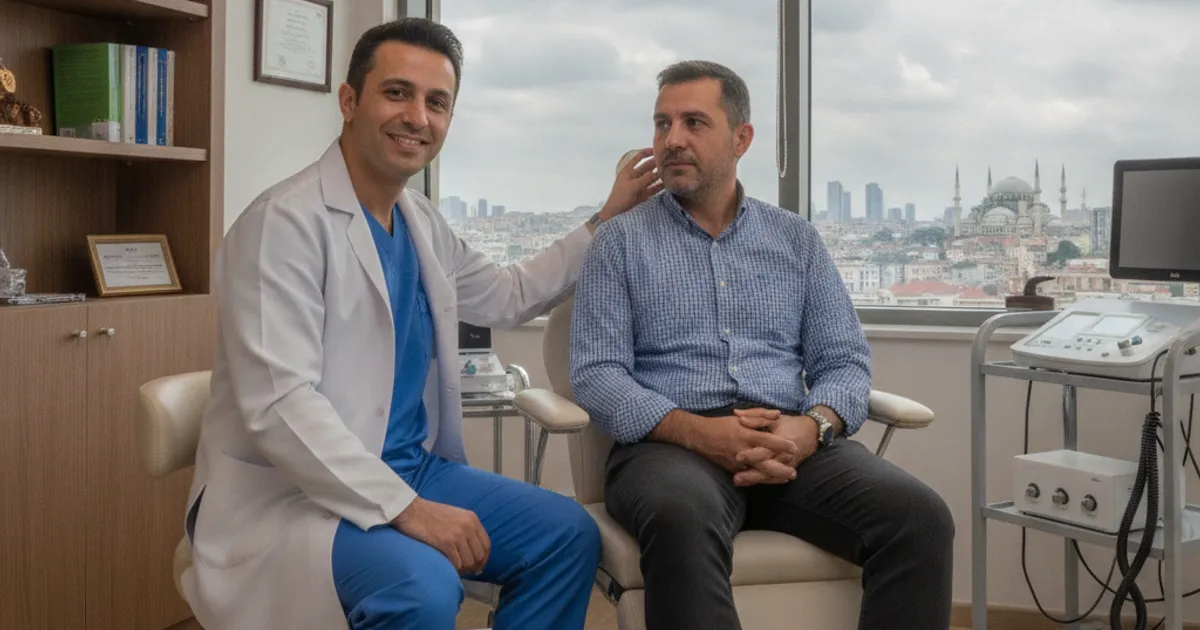
What Is Post-Transplant Swelling and Why Does It Happen?
Swelling after a hair transplant is a normal part of the healing process. It happens because the body responds to the tiny wounds created during surgery by sending fluid, white blood cells, and repair proteins to the area. This fluid builds up in the loose tissue of the forehead and around the eyes, causing puffiness that can look dramatic even when the actual procedure went perfectly. It is not a sign that something went wrong. It is your immune system doing its job. The medical term for this is edema, and it usually peaks within the first few days before gradually fading. Understanding why it happens helps you manage it without panic. The key is to help your body drain that fluid efficiently while protecting the newly transplanted grafts.
The Timeline of Swelling: What to Expect Day by Day
Swelling follows a fairly predictable pattern for most people. Knowing what is normal at each stage can stop you from worrying unnecessarily. That said, everyone heals at their own pace, and the exact timing depends on your technique, your surgeon's approach, and how well you follow aftercare instructions. The timeline below reflects general guidance from surgical aftercare resources, but your own clinic may give you a slightly different schedule.
- Day 0 to Day 1: Minimal swelling at the donor and recipient sites. Some numbness or tightness is common.
- Day 2 to Day 3: Swelling often peaks. Fluid travels down the forehead and around the eyes. This is when you may look the most puffy.
- Day 4 to Day 5: Swelling begins to subside. Bruising around the eyes may appear as fluid moves downward.
- Day 6 to Day 10: Most visible swelling resolves. Any remaining puffiness is usually mild and easy to conceal.
- Week 2 onward: Any residual swelling is typically gone. The scalp may still feel tight or numb as nerves recover.
| Day | Typical Swelling | What Helps |
|---|---|---|
| Day 1 | Mild at donor and recipient sites | Sleep elevated, cold compresses on forehead |
| Day 2–3 | Peak swelling, forehead and eyes | Continue elevation, avoid bending over |
| Day 4–5 | Swelling starts to drop, possible bruising | Gentle walking, stay hydrated |
| Day 6–10 | Most visible swelling gone | Normal light activity, avoid strenuous exercise |
| Week 2+ | Minimal to none | Resume normal routine as cleared by your clinic |
Immediate Post-Op Strategies: The First 72 Hours
The first three days set the tone for your recovery. What you do during this window can significantly influence how much swelling you experience and how long it lasts. Your clinic will give you specific instructions, but the general principles are consistent across most hair transplant procedures. These recommendations are based on common surgical aftercare guidelines, not on a single study.
- Sleep with your head elevated at a 30 to 45 degree angle. Use extra pillows or a recliner. This uses gravity to help fluid drain away from your face.
- Apply cold compresses to the forehead and around the eyes, not directly on the grafts. Use a cloth barrier and keep sessions short, around 15 to 20 minutes at a time.
- Avoid bending over, lifting heavy objects, or straining. These actions increase blood flow to the head and can worsen swelling.
- Do not touch, rub, or scratch the recipient area. Let the grafts settle.
- Stay hydrated with water. Dehydration can make your body retain fluid, which works against you.
- Take any anti-inflammatory medication exactly as prescribed by your surgeon. Do not add over-the-counter drugs without asking first.
Home Remedies and Lifestyle Adjustments for Swelling
Once you are past the first 72 hours, you can start incorporating gentle home habits that support drainage and comfort. These are not magic cures, but they help your body do what it already wants to do. Always check with your clinic before trying anything new, especially in the first week.
- Keep sleeping elevated for at least the first week. A wedge pillow or adjustable bed makes this easier.
- Gentle walking improves circulation and helps move fluid. Avoid anything that makes you sweat or strain.
- Reduce salt intake for a few days. High-sodium meals can make your body hold onto water.
- Avoid alcohol, which can thin your blood and increase swelling and bruising.
- Do not wear tight hats, headbands, or anything that presses on the forehead or grafts.
- Stay out of direct sun and heat. Hot showers, saunas, and steam rooms can increase blood flow and swelling.
- Eat a balanced diet with plenty of fruits and vegetables. Good nutrition supports healing.
Medical and Clinical Options to Reduce Swelling
Sometimes home care is not enough, or your surgeon may recommend additional measures to keep swelling under control. These options are typically used when swelling is more pronounced or when the patient has a history of significant post-operative edema. Your clinic will decide what is appropriate for your case. The following table summarizes common approaches, but it is not a substitute for professional medical advice.
- Prescription anti-inflammatory medications or corticosteroids to reduce the body's inflammatory response.
- Lymphatic drainage massage performed by a trained professional, usually starting a few days after surgery.
- Compression garments or bandages, if recommended by your surgeon, to support fluid movement.
- Elevation and cold therapy continued beyond the first 72 hours in modified form.
- In rare cases, your clinic may drain fluid if it accumulates abnormally, but this is uncommon and must be done by a medical professional.
| Option | How It Works | When It Is Used |
|---|---|---|
| Prescription anti-inflammatories | Reduce the body's inflammatory response | First few days, if swelling is significant |
| Lymphatic drainage massage | Manual technique to move fluid through lymph channels | After the first 72 hours, with clinic approval |
| Compression | Gentle pressure to support fluid movement | If recommended by your surgeon |
| Cold therapy | Constricts blood vessels to limit fluid buildup | First 72 hours, then as advised |
| Elevation | Uses gravity to drain fluid away from the face | First week, especially while sleeping |
How Swelling Management Differs by Technique (FUE vs. FUT)
The two main hair transplant techniques, follicular unit excision (FUE) and follicular unit transplantation (FUT), create different wound patterns. That affects how much swelling you get and how you manage it. FUE involves individual follicle extraction, which leaves tiny puncture wounds. FUT involves removing a strip of scalp from the donor area, which requires stitches or staples and can cause more tension. Neither technique is universally better for swelling, but the aftercare focus shifts slightly.
| Factor | FUE | FUT |
|---|---|---|
| Donor area wounds | Small punctures | Linear strip with stitches or staples |
| Typical swelling | Usually mild to moderate | Can be moderate, sometimes more |
| Main swelling focus | Forehead and eyes | Forehead, eyes, and donor area tension |
| Cold compress use | Safe on forehead | Safe on forehead, avoid donor area |
| Sleep position | Elevated | Elevated, avoid pressure on donor strip |
| Return to light activity | Often quicker | May take a bit longer due to donor site |
When to Call Your Clinic: Warning Signs and Complications
Most swelling is harmless and resolves on its own. But there are situations where you should not wait and see. Your clinic would rather hear from you than have you suffer in silence. Trust your instincts. If something feels wrong, make the call. The warning signs below are based on general post-surgical guidance and are not a complete list.
- Swelling that gets worse after day 5 instead of better.
- Severe pain that is not relieved by prescribed medication.
- Redness, heat, or a foul smell coming from the donor or recipient area.
- Fever or chills.
- Swelling that spreads to your neck or throat, or makes it hard to breathe or swallow.
- Sudden vision changes or severe headache.
- Any discharge of pus or fluid from the surgical sites.
Cost Considerations for Swelling Management
Swelling management itself is rarely a separate line item on your hair transplant bill. Most clinics include standard aftercare, medication, and follow-up visits in the overall procedure price. However, some add-ons like lymphatic drainage massage, extra medication, or extended follow-up care may carry additional fees. It is worth asking your clinic exactly what is included before you book. The cost of the transplant itself varies widely depending on the stage of hair loss, the technique, and the location. Because we do not have real-time pricing data for this topic, we cannot provide specific figures. For current pricing, check with clinics directly or use our directory to compare providers in your area.
Frequently Asked Questions
How long does swelling last after a hair transplant?
Most swelling peaks around day 2 to 3 and starts to improve by day 4 or 5. The majority of visible swelling is usually gone within 7 to 10 days. Some mild puffiness can linger for a couple of weeks, but it is typically easy to conceal and not painful. This timeline is a general guide; your experience may differ.
Can I sleep flat after a hair transplant?
It is best to sleep with your head elevated for at least the first week. Sleeping flat can allow fluid to pool around your eyes and forehead, making swelling worse. Use extra pillows or a recliner to keep your head at a 30 to 45 degree angle. Your clinic may give you specific instructions based on your procedure.
Does ice help reduce swelling after a hair transplant?
Yes, cold compresses can help, but you must use them correctly. Apply them to the forehead and around the eyes, never directly on the grafts. Use a cloth barrier and keep sessions short, around 15 to 20 minutes. Always follow your clinic's specific instructions.
When can I go back to work after a hair transplant?
Many people feel comfortable returning to desk work within 3 to 5 days, once the worst swelling has passed. If your job involves physical labor or heavy lifting, you may need to wait longer, often around 10 to 14 days. Your clinic will give you personalized guidance based on your procedure.
More Guides
- What Happens 10 Days After a Hair Transplant?
A clear, honest look at what happens 10 days after a hair transplant: healing, scabs, shedding, results, costs, and who it suits.
- ARTAS Hair Transplant: How It Works and Who It's For
A clear guide to ARTAS hair transplant: how the robotic system works, recovery, results, cost factors, who it suits, and how it compares to other techniques.
- Facial Hair Transplant: Procedure, Recovery & Results
A clear guide to facial hair transplant: how it works, recovery timeline, results, who suits it, cost, and how it compares to alternatives.
- Hair Transplant and Sleep Apnea: CPAP and Recovery
How sleep apnea and CPAP therapy affect hair transplant surgery, recovery, risks, costs, and candidacy. A clear guide for patients with OSA.