
Hair Transplant for a Bald Spot on the Crown: What to Expect
A clear guide to crown hair transplants: how they work, recovery, results, candidacy, cost by stage, and how they compare to other options.
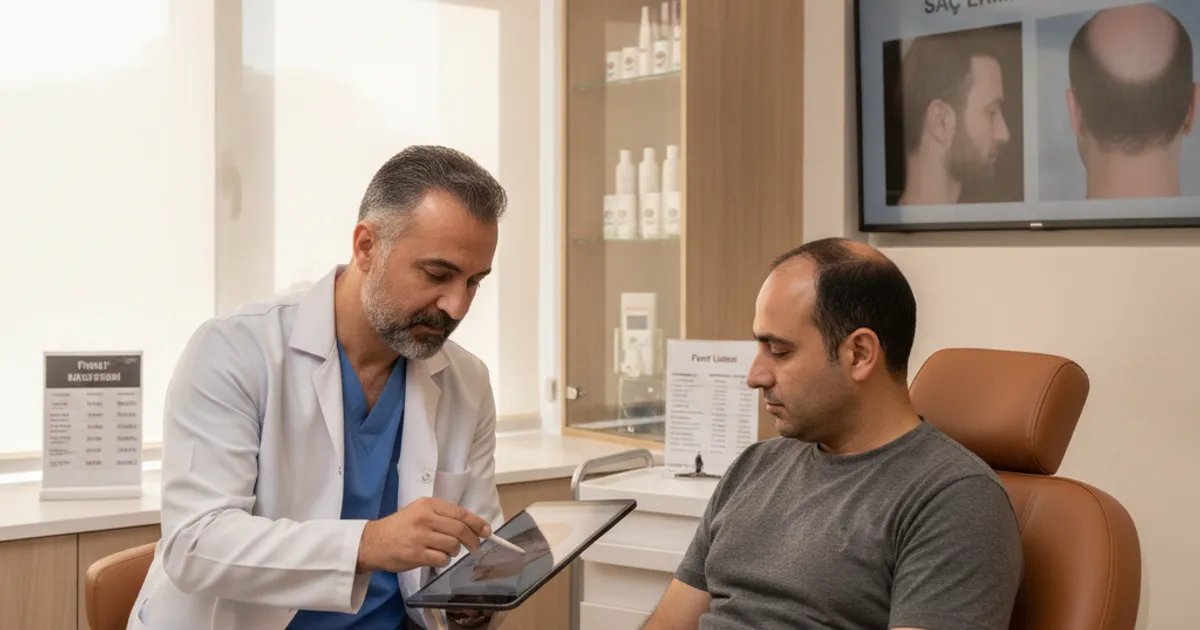
What Is a Crown Hair Transplant?
A crown hair transplant is a surgical procedure that moves hair follicles from a donor area (usually the back and sides of the scalp) into the crown, the circular area at the top-back of the head where balding often starts or becomes most noticeable. The crown is a common trouble spot because hair loss there can create a visible bald spot that's hard to hide, even with styling. The goal of a crown transplant is to restore density and coverage in that area so it blends naturally with the surrounding hair.
How a Crown Transplant Is Performed
The procedure itself follows the same basic steps as most hair transplants, but with extra attention to the crown's geometry. It's usually done under local anesthesia, and you'll be awake but comfortable. The surgeon extracts follicles from the donor zone, creates tiny recipient sites in the crown, and places the grafts at specific angles and directions to mimic the natural hair swirl. The number of grafts depends on the size of the bald spot and the density you're aiming for.
- Donor harvesting: Follicular unit extraction (FUE) or strip harvesting (FUT) to collect grafts from the back and sides of the scalp.
- Recipient site creation: The surgeon makes small incisions in the crown, accounting for the curvature and the natural direction of hair growth.
- Graft placement: Follicles are inserted one by one at precise angles to build density and a natural-looking swirl.
- Graft counts: Smaller crown spots may need fewer grafts; larger or denser areas can require more. Your surgeon will estimate based on your case.
Recovery Timeline: What to Expect Week by Week
Recovery from a crown transplant is similar to other hair transplant procedures. Most people take a few days off work and can return to light activities quickly. The grafted area will go through a predictable cycle: initial healing, shedding of the transplanted hair shafts, a quiet period, and then new growth. Here's a general timeline.
| Timeframe | What's Happening |
|---|---|
| Days 1–3 | Swelling and tenderness in the donor and recipient areas. Sleep elevated and avoid touching the grafts. |
| Week 1 | Scabs form and begin to flake. Most clinics allow gentle washing after a few days. |
| Weeks 2–4 | Transplanted hair shafts shed — this is normal and not a sign of failure. |
| Months 1–3 | The crown may look sparse or patchy. Follicles are dormant but alive. |
| Months 4–6 | New growth starts to appear. Density is still low and uneven. |
| Months 8–12 | Most of the final result is visible. The crown fills in and blends with surrounding hair. |
| Months 12–18 | Full maturation for some patients, especially in the crown, which can be slower to show final density. |
Results: Growth, Density, and Realistic Expectations
Crown transplants can produce excellent results, but the crown is known for being a bit slower and sometimes less predictable than the front. Because the crown is a larger surface area and the hair grows in a swirl, achieving high density can require more grafts than you might expect. It's also common for the crown to look thinner than the front even after a successful transplant, simply because of the area involved. Setting realistic expectations with your surgeon is key.
- Growth timeline: Crown growth often lags behind the front by a few months. Don't judge the result before 12 months.
- Density: You may need multiple sessions if you want very high density in a large crown area.
- Natural look: A well-planned swirl and angling makes the crown look natural, but it may never be as dense as your original hair.
- Future loss: If you have progressive hair loss, the crown result can change over time. Some surgeons recommend medical therapy to protect surrounding hair.
Who Is a Good Candidate for Crown Restoration?
Not everyone with a bald spot on the crown is a good candidate. The best candidates have stable hair loss, a good donor supply, and realistic expectations. Because the crown can expand over time, surgeons often want to see that your hair loss pattern is relatively stable before operating. If you're still losing hair rapidly, you may be advised to wait or start medical treatment first.
- Stable hair loss: Your crown bald spot hasn't changed much in the past year or two.
- Good donor density: Enough healthy hair in the back and sides to support the number of grafts needed.
- Realistic goals: Understanding that crown density may be lower than the front and that multiple sessions may be needed.
- Overall health: No medical conditions that would impair healing or increase surgical risk.
- Commitment to aftercare: Willingness to follow post-op instructions and consider medical therapy if recommended.
Cost of a Crown Hair Transplant
The cost of a crown hair transplant varies widely depending on the clinic, location, graft count, and technique. Because crown cases can range from small touch-ups to large sessions, pricing is usually based on the number of grafts rather than a flat fee. Below are average case prices by stage of hair loss. These are averages and not quotes — your actual cost will depend on your specific needs.
| Stage of Crown Loss | Typical Graft Range | Average Case Price (USD) |
|---|---|---|
| Early (small spot) | 1,000–1,500 grafts | $3,000–$5,000 |
| Moderate | 1,500–2,500 grafts | $5,000–$8,000 |
| Advanced (large area) | 2,500–4,000+ grafts | $8,000–$12,000+ |
Crown Transplant vs. Other Alternatives
A crown transplant isn't the only option for a bald spot on the crown. Depending on your situation, you might consider medical therapy, concealers, or other procedures. Here's how they compare.
| Option | How It Works | Pros | Cons |
|---|---|---|---|
| Crown transplant | Surgical relocation of follicles to the crown | Permanent hair growth; natural look | Cost, surgery, recovery, depends on donor supply |
| Medication (minoxidil/finasteride) | Slows hair loss and can regrow some hair | Non-surgical; can stabilize loss | Requires ongoing use; results vary; side effects possible |
| Hair fibers/concealers | Cosmetic powder or spray that clings to hair | Instant, cheap, no recovery | Temporary; not for large bald spots; washes out |
| Scalp micropigmentation (SMP) | Tattoo-like dots that mimic stubble | Low maintenance; looks like shaved head | Not real hair; may need touch-ups |
| Hair systems/toppers | Prosthetic hairpiece attached to scalp | Instant full look | Maintenance; not permanent; can be costly over time |
- If your crown loss is early, medication or fibers may be enough to delay surgery.
- If you want a permanent solution and have good donor hair, a transplant is often the most natural-looking option.
- Combining medication with a transplant can help protect surrounding hair and improve long-term results.
Choosing a Clinic for Crown Work
Crown work is technique-sensitive, so choosing the right clinic matters. Look for surgeons who regularly perform crown transplants and can show you before-and-after photos of similar cases. Ask about their approach to graft angling, swirl patterns, and how they plan for future hair loss. It's also worth asking whether they recommend medical therapy alongside surgery.
- Check experience: Ask how many crown cases the surgeon performs per month.
- Review photos: Look for results that match your hair type and loss pattern.
- Ask about planning: A good surgeon will discuss future hair loss and how it affects the crown design.
- Consultation: Ask whether the clinic offers free or online consultations.
- Aftercare: Make sure you understand the follow-up schedule and what's included.
Frequently Asked Questions
How many grafts do I need for a crown transplant?
It depends on the size of the bald spot and the density you want. Small crown spots may need fewer grafts, while larger areas can require more. Your surgeon will give you an estimate after examining your scalp.
Is a crown transplant more painful than other areas?
Most patients report similar discomfort to other transplant areas. The procedure is done under local anesthesia, so you shouldn't feel pain during surgery. Afterward, mild soreness and swelling are normal and manageable with medication.
How long until I see results in the crown?
New growth typically starts around 4–6 months, but the crown can be slower than the front. Most people see a good result by 12 months, with final density sometimes taking up to 18 months.
Can I have a crown transplant if I'm still losing hair?
It's possible, but many surgeons prefer to stabilize hair loss first. If your crown bald spot is actively expanding, surgery now could lead to an unnatural result later. Your surgeon may recommend medication before or alongside surgery.
More Guides
- Hair Transplant for Men With Sensitive Skin: What to Know
Hair transplant for men with sensitive skin: techniques, recovery, results, cost factors, and how to choose a clinic that handles eczema or psoriasis.
- What Happens 10 Days After a Hair Transplant?
A clear, honest look at what happens 10 days after a hair transplant: healing, scabs, shedding, results, costs, and who it suits.
- ARTAS Hair Transplant: How It Works and Who It's For
A clear guide to ARTAS hair transplant: how the robotic system works, recovery, results, cost factors, who it suits, and how it compares to other techniques.
- Facial Hair Transplant: Procedure, Recovery & Results
A clear guide to facial hair transplant: how it works, recovery timeline, results, who suits it, cost, and how it compares to alternatives.