
Hair Transplant for Men With a Physical Job: Return to Work
A practical guide to returning to a physical job after a hair transplant. Learn timelines, aftercare rules, and how to plan leave to protect your grafts.
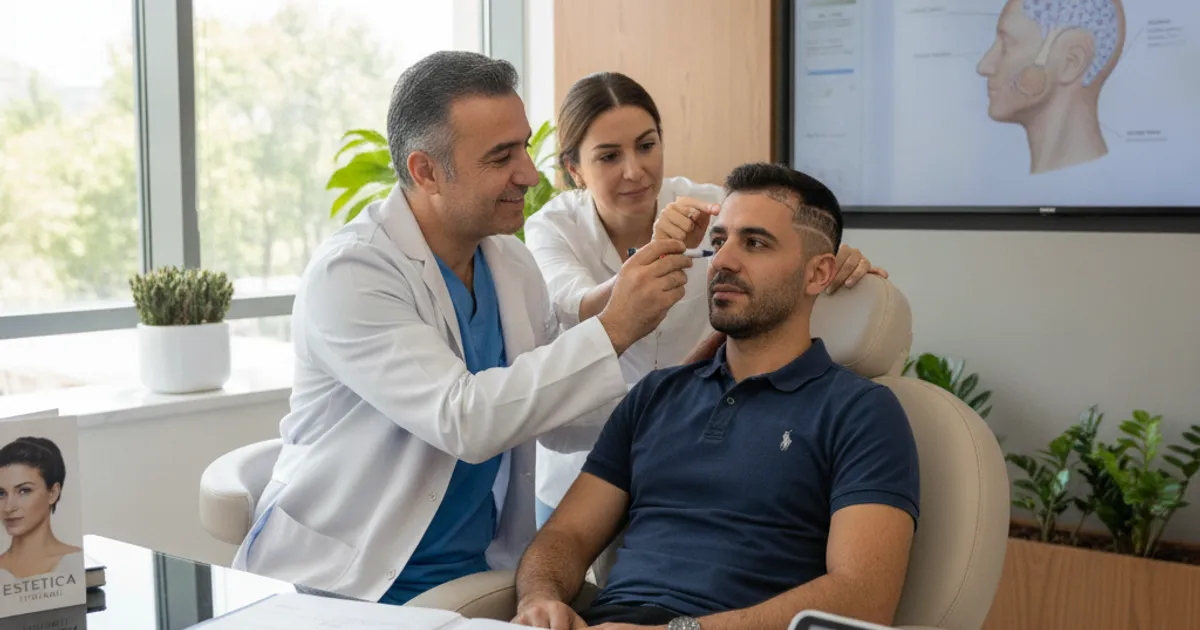
If you work in construction, landscaping, warehousing, or any job that keeps you on your feet and sweating, a hair transplant takes a bit more planning than it does for someone with a desk job. The procedure itself is straightforward, but the first two weeks of healing are the critical window where your new grafts are most vulnerable. This guide walks you through realistic return-to-work timelines, the risks physical work poses, and the aftercare rules that protect your investment.
How Soon Can You Return to a Physical Job After a Hair Transplant?
There is no single answer because 'physical job' covers a wide range. The key factors are how much you sweat, how much you strain, and whether your head is exposed to dust, sun, or impact. Here is a general breakdown based on typical recovery patterns:
- Desk or remote work: a few days, often the next day if you feel comfortable.
- Light duty (retail, driving, light lifting under 10 lbs): about a week.
- Moderate physical work (repeated bending, lifting up to 25 lbs): 10–14 days.
- Heavy physical labor (construction, farming, lifting over 25 lbs, constant sweating): at least 14 days, sometimes 3–4 weeks.
Why Physical Work Poses Extra Risks in the First Two Weeks
The first 14 days are when grafts are anchoring into the scalp. They are fragile. Physical work introduces several stresses that can compromise healing:
- Sweating: excess moisture can soften scabs and increase infection risk.
- Straining: heavy lifting raises blood pressure, which can cause bleeding or swelling around grafts.
- Dust and debris: construction sites and outdoor work expose the scalp to particles that can irritate fresh wounds.
- Sun exposure: UV rays can damage healing skin and increase scarring risk.
- Bumping or friction: hard hats, helmets, or tight straps can rub against grafts.
Planning Your Leave: Desk Duty, Light Duty, or Full Time Off
Before booking your procedure, talk to your employer about temporary accommodations. Many men can bridge the gap with modified duties rather than taking full unpaid leave. Here is a comparison of typical options:
| Leave Option | Typical Duration | Best For | Key Considerations |
|---|---|---|---|
| Full time off | 7–14 days | Heavy labor, construction, outdoor work | Largest recovery window but unpaid unless you have sick leave |
| Desk duty | 3–5 days | Jobs with both field and office tasks | Requires employer approval; avoids sun and sweat |
| Light duty | 5–10 days | Warehouse, retail, driving | Avoid lifting over 10 lbs and excessive bending |
| Staggered return | 10–14 days | Mixed physical roles | Start with half-days or lighter tasks, ramp up gradually |
Return-to-Work Timeline by Job Type
Use this table as a rough guide. Your surgeon will give you personalized advice based on your graft count and healing progress.
| Job Type | Earliest Return | Safest Return | Notes |
|---|---|---|---|
| Office / desk | 2–3 days | 5 days | Avoid touching scalp; keep head elevated |
| Retail / customer service | 5 days | 7–10 days | Stay out of direct sun; no heavy stocking |
| Driving (taxi, delivery) | 5–7 days | 10 days | Avoid long hours; no helmet straps |
| Warehouse / light industrial | 10 days | 14 days | No lifting over 10 lbs; watch for dust |
| Construction / heavy labor | 14 days | 21–28 days | Full PPE may not fit safely; sweat is a major factor |
| Outdoor / farming | 14 days | 21 days | Sun protection is critical; avoid dust and dirt |
Aftercare Rules That Protect Your Grafts on the Job
Once you are back at work, a few simple habits make a big difference in protecting your results:
- Keep your scalp clean and dry. Follow your clinic's washing schedule exactly.
- Wear a loose-fitting cap or hat if you are outdoors, but avoid tight bands or helmets for the first two weeks.
- Take breaks to cool down and wipe away sweat gently with a clean cloth.
- Avoid touching or scratching your scalp, even if it itches.
- Stay hydrated and avoid alcohol, which can thin your blood and slow healing.
- Do not resume heavy lifting or strenuous exercise until your surgeon clears you.
Talking to Your Employer and Colleagues
You do not owe anyone a detailed explanation, but a short conversation with your supervisor can make your return smoother. Here is how to approach it:
- Request a private meeting and explain you are having a minor medical procedure.
- Ask about temporary modified duties or a phased return.
- Provide a doctor's note if required for sick leave or accommodations.
- Keep colleagues informed only if you are comfortable; a simple 'medical procedure' is usually enough.
- Confirm your return date in writing so there is no confusion.
When to Seek Medical Advice
Most recoveries are uneventful, but contact your clinic promptly if you notice any of the following:
- Excessive bleeding or swelling that does not improve after 48 hours.
- Signs of infection: redness, warmth, pus, or fever.
- Severe pain that medication does not control.
- Grafts that appear to be dislodged or falling out in large numbers (some shedding is normal after 2–3 weeks).
- Any allergic reaction to medication or aftercare products.
FAQ
Can I wear a hard hat after a hair transplant?
General guidance suggests waiting at least 7–10 days before wearing a hard hat, and even then, use a clean, soft liner to reduce friction. Check with your clinic for personalized guidance.
What if my job requires heavy lifting?
Avoid heavy lifting for at least two weeks. If your job requires lifting over 25 lbs, you may need three to four weeks off or a temporary light-duty assignment.
How do I manage sweating on the job?
Take frequent breaks in a cool area, use a clean towel to gently pat away sweat, and stay hydrated. Avoid strenuous activity that causes heavy sweating for the first two weeks.
Will my grafts fall out if I return to work too soon?
Returning to physical work too early can increase the risk of graft loss due to friction, sweating, or straining. Following your surgeon's timeline is the best way to protect your results.
What the Healing Stages Actually Mean for a Physical Worker
Understanding what is happening under your scalp during the first month helps you judge risk on your own rather than relying only on a fixed number of days. In the first two to three days, the grafts are held in place largely by the tiny clots and the surrounding tissue, and they are at their most fragile. From roughly day three to day ten, new blood supply is connecting to the grafts and the scabs form and begin to loosen. After about ten to fourteen days the grafts are usually considered securely anchored, which is why most clinics lift the heaviest restrictions around that point. From around two to three weeks onward, many patients notice the transplanted hairs shedding; this is expected and does not mean the grafts have failed, because the follicle remains and regrowth begins later. For someone doing physical work, the practical takeaway is that the highest-risk window is the first ten days, the moderate-risk window runs to about two weeks, and after that the main concerns shift from dislodging grafts to protecting healing skin from sun, friction, and irritation.
Practical Ways to Reduce Strain and Sweat When You Go Back
Returning to a demanding job is less about avoiding all exertion and more about reducing the specific stresses that cause problems. A few adjustments tend to make the transition easier and lower the chance of setbacks.
- Ask about a phased return, such as shorter shifts or lighter tasks for the first week back, rather than jumping straight into full output.
- Break heavy tasks into smaller chunks and take short, scheduled cool-down breaks instead of pushing through long stretches of exertion.
- Use equipment that reduces strain where you can, such as a cart, lift assist, or a second person for awkward loads, even if you would normally handle it alone.
- Keep a clean, soft cloth or towel handy to blot sweat gently rather than wiping or rubbing the scalp.
- Choose loose, breathable headwear and avoid anything with a tight band, rigid brim, or rough inner seam pressing on the grafted area.
- Plan the most physically demanding parts of your day for when you are rested, and avoid back-to-back heavy tasks in heat.
- Stay hydrated and eat normally; fatigue and dehydration make it harder to notice when you are overdoing it.
Sun, Dust, and Headgear: Managing Environmental Exposure
Many physical jobs come with environmental exposure that a desk worker never thinks about, and this is often the part patients underestimate. Freshly grafted skin is more sensitive to ultraviolet light, so sun protection matters even on overcast days, especially for outdoor trades. Where possible, work in shade, take breaks out of direct sun, and once your clinic confirms it is safe, use a broad-spectrum sunscreen on healed areas while keeping it off any still-open or scabbing spots unless your surgeon says otherwise. Dust, sawdust, concrete powder, and airborne debris can settle on the scalp and irritate healing skin, so a clean, loose covering is often more useful than nothing, provided it does not rub. If your job requires a hard hat, helmet, or respirator with straps, discuss the timing with your surgeon and use a clean, soft liner to reduce friction, and keep the inside of the headgear clean. Change liners and any fabric that contacts your scalp regularly, since trapped sweat and grime are more of a problem than the headgear itself.
Planning the Logistics Before Your Procedure Date
The smoothest recoveries usually belong to people who sorted out the practical details before surgery day. Confirm in advance how many days off you can realistically take, whether your employer offers paid sick leave or modified duties, and whether a doctor's note is needed and in what form. Line up any paperwork your clinic can provide, such as a letter confirming the procedure and recommended restrictions, so you are not chasing it while recovering. Think through transport home after the procedure and for the first few days, since you may not want to drive long distances or operate heavy machinery while tired or on medication. If your role involves driving for a living, ask your surgeon when it is safe to resume, as fatigue, medication, and reduced neck movement can all affect safety. Finally, consider timing the procedure around a slower work period or a stretch of lighter duties if your job has seasonal variation, which can reduce the pressure to rush back.
What to Expect in the Weeks After You Return
Going back to work does not mean the healing is finished, and knowing what is normal helps you avoid unnecessary worry. Itching and tightness around the donor and grafted areas are common as scabs lift and skin settles, and gentle cleansing plus resisting the urge to scratch is usually all that is needed. Some redness or pinkness can persist for a while and tends to fade gradually. Shedding of transplanted hairs in the first couple of months is expected and is not a sign of failure. New growth typically becomes noticeable over the following months, and final results generally take many months to mature, so judge progress on a longer timeline rather than week to week. Keep following your clinic's washing and activity guidance, attend any scheduled follow-ups, and raise anything that seems off early rather than waiting.
Can I wear my normal work boots, gloves, and gear as soon as I return?
Usually yes, provided nothing presses on or rubs the grafted area and you follow your clinic's activity limits. The main concern is headgear and anything that contacts the scalp, so keep those clean and loose, and check with your surgeon about helmets or tight straps.
Is sweating on the job dangerous after the first two weeks?
Once grafts are anchored, ordinary sweating is generally less of a concern than it is in the first ten to fourteen days. Still, keep the area clean, blot sweat gently, and follow your clinic's washing routine. If you notice increasing redness, warmth, or pain, contact your clinic.
What if my employer cannot offer light duty?
Ask your surgeon for a letter outlining recommended restrictions and discuss options such as unpaid leave, a phased return, or reassignment to lighter tasks. Planning this before the procedure date usually gives you more flexibility than negotiating while you are recovering.
When can I drive for work or operate machinery?
This depends on your procedure, medication, and how you feel. Ask your surgeon for specific guidance, and do not drive or operate machinery while drowsy, on medication that affects alertness, or if reduced neck movement makes it unsafe.
Does a physical job affect my long-term results?
There is no reason a physically demanding job should harm well-healed grafts once you are cleared for full activity. The key is protecting the grafts during the early healing window and following your clinic's aftercare and sun-protection advice afterward.
More Guides
- Hair Transplant and Hair Dye: When Can You Color Again?
When can you dye your hair after a transplant? Get a clear recovery timeline, risks of coloring too soon, and tips for choosing safe dye. Plan your aftercare.
- Hair Transplant for Swimmers: Chlorine and Healing
Planning a hair transplant as a swimmer? Learn when you can swim after surgery, how chlorine affects healing, and aftercare rules to protect grafts.
- Hair Transplant for Daily Helmet Wearers: Recovery Guide
Wear a helmet daily? Learn how to protect grafts, time recovery, and safely reintroduce your helmet after a hair transplant. Practical aftercare tips.
- Hair Transplant and Sauna Use: When Is It Safe?
When can you use a sauna after a hair transplant? This guide covers the risks, a safe recovery timeline, and practical aftercare tips for heat exposure.