
Hair Transplant and Sleep Apnea: CPAP and Recovery
How sleep apnea and CPAP therapy affect hair transplant surgery, recovery, risks, costs, and candidacy. A clear guide for patients with OSA.
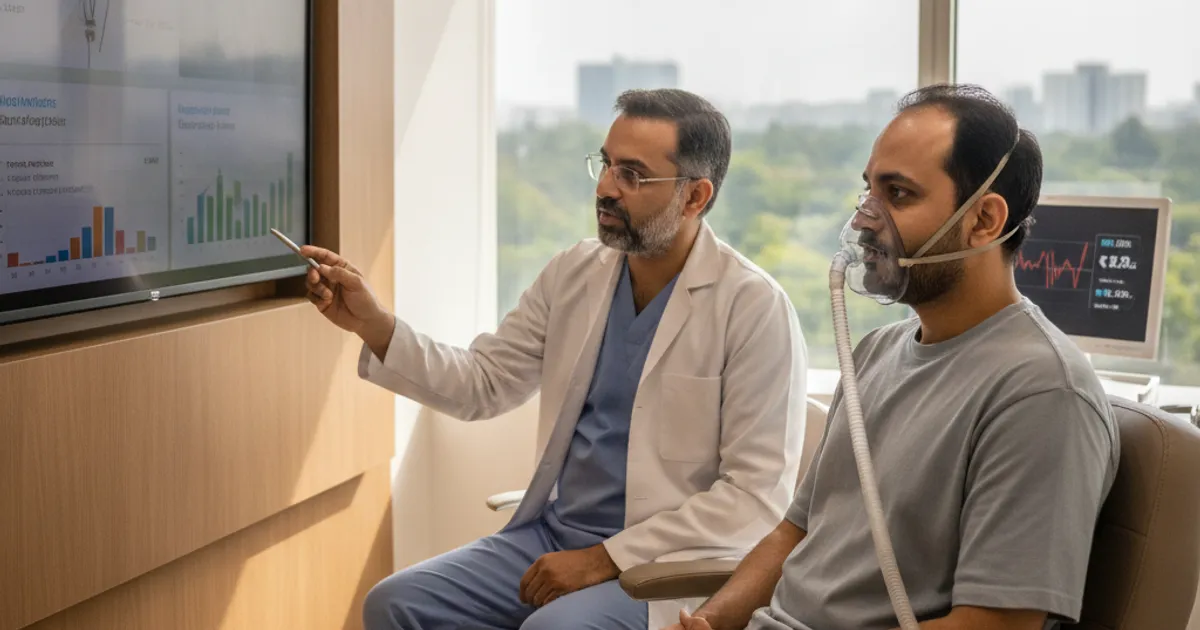
What Is Sleep Apnea and Why It Matters for Hair Transplant Recovery
Sleep apnea, particularly obstructive sleep apnea (OSA), is a condition where breathing repeatedly stops and starts during sleep. The most common form happens when the throat muscles relax and block the airway. People with OSA often snore loudly, wake up gasping, and feel exhausted during the day. It's more common than many realize, and a significant number of hair transplant patients either have diagnosed sleep apnea or show symptoms without knowing it. This matters for hair transplant recovery because OSA affects oxygen levels, blood pressure, healing capacity, and — critically — how you sleep after surgery. Many hair transplant patients are told to sleep elevated or on their back for the first week or two to protect the grafts. But CPAP users have a machine and mask that can complicate that positioning. Understanding the interplay between sleep apnea, CPAP therapy, and hair transplant recovery helps you plan better and avoid setbacks.
How CPAP Therapy Works and Its Role in Post-Surgical Healing
CPAP (continuous positive airway pressure) delivers a steady stream of pressurized air through a mask to keep your airway open while you sleep. For people with moderate to severe OSA, it's the gold standard treatment. Untreated sleep apnea means repeated drops in blood oxygen and fragmented sleep — both of which impair wound healing, increase inflammation, and raise the risk of post-surgical complications. In the context of hair transplant recovery, consistent CPAP use supports better oxygenation, steadier blood pressure, and more restorative sleep, all of which help your scalp heal and grafts take. The challenge is mechanical: CPAP masks and straps can rub against the donor and recipient areas, and the airflow can dry out the scalp. The goal is to keep using CPAP — because untreated apnea is worse for healing — while minimizing friction and pressure on the graft sites.
- Untreated OSA is linked to poorer wound healing and higher infection risk, so stopping CPAP abruptly after surgery is usually not advised.
- Mask fit matters more than ever post-op: a full-face mask may press on the hairline or donor area, while nasal pillows or a nasal mask may avoid the scalp entirely.
- Humidification on your CPAP can reduce scalp dryness and irritation during the first weeks of healing.
- Your surgeon and sleep specialist should coordinate on timing — some patients pause CPAP briefly, others resume immediately with a modified mask.
The Hair Transplant Procedure: A Quick Overview for CPAP Users
A hair transplant — whether FUT (strip) or FUE (follicular unit extraction) — involves removing hair follicles from a donor area (usually the back and sides of the scalp) and implanting them into thinning or bald areas. The procedure is typically done under local anesthesia, sometimes with sedation. For CPAP users, the main considerations are anesthesia management (sleep apnea patients can be sensitive to sedatives), positioning during surgery (you'll be face-down or face-up for hours), and post-op sleep positioning. Here's the general flow:
Recovery Timeline: Balancing CPAP Use with Scalp Protection
The early period after a hair transplant is the most delicate. Grafts are securing themselves, and any friction, pressure, or moisture imbalance can jeopardize them. CPAP use during this window requires some planning. Most surgeons advise sleeping with your head elevated for the first week to reduce swelling and protect grafts. CPAP masks that seal over the nose and mouth can shift with elevation, and straps can rub against the donor area. The table below outlines a typical recovery timeline with CPAP considerations. Always follow your own surgeon's instructions — this is a general guide, not a substitute for personalized medical advice.
| Recovery Phase | Typical Timeline | CPAP Considerations |
|---|---|---|
| Immediate post-op | First days | Sleep elevated; avoid mask straps on donor area. Some surgeons may advise pausing CPAP briefly if you have mild OSA and your sleep specialist agrees. For moderate-to-severe OSA, resume CPAP with a mask that avoids the scalp (e.g., nasal pillows). |
| Early healing | First week | Grafts are anchoring. Continue elevated sleeping if advised. Use CPAP humidification to prevent scalp dryness. Clean mask and tubing daily to reduce infection risk. |
| Scab shedding | Second week | Scabs begin to fall off. Avoid scratching. CPAP airflow should be comfortable; adjust humidity if scalp feels tight. |
| Return to normal sleep | Following weeks | Most patients can return to their usual sleep position. Check mask fit — weight changes or swelling may alter seal. Resume full CPAP routine. |
| Long-term | After the first month | No restrictions. Keep CPAP therapy consistent for overall health and healing. |
Potential Risks and Complications When Combining CPAP and Hair Transplant
Combining CPAP and a hair transplant isn't inherently risky, but there are specific complications to watch for. Most are manageable with planning and communication between your surgeon and sleep specialist. The main concerns fall into three categories: mechanical (mask friction), infectious (equipment hygiene), and systemic (anesthesia and oxygen levels).
- Mask friction and pressure: straps or mask edges can rub against donor or recipient sites, potentially dislodging grafts or causing irritation. Nasal pillows or a soft cloth barrier can help.
- Scalp dryness: CPAP airflow can dry out the scalp, making scabs tighter and healing less comfortable. Using the humidifier and following your surgeon's moisturizing instructions helps.
- Infection risk: CPAP masks, tubing, and humidifiers can harbor bacteria if not cleaned regularly. Post-op, your scalp has open micro-wounds, so strict equipment hygiene is essential.
- Anesthesia sensitivity: OSA patients may be more sensitive to sedatives and have a higher risk of airway complications during surgery. An anesthesiologist experienced with OSA will adjust medications and monitoring.
- Sleep position challenges: sleeping elevated and on your back may worsen OSA for some people. If you can't tolerate the position, discuss with your surgeon — there may be compromises.
Who Is a Good Candidate for Hair Transplant with Sleep Apnea?
Having sleep apnea doesn't automatically rule out a hair transplant. Many OSA patients undergo the procedure safely. The key is proper evaluation and coordination. You're likely a good candidate if your sleep apnea is well-controlled with CPAP or other therapy, your overall health is stable, and you have realistic expectations about recovery. Poor candidates include those with untreated severe OSA, recent heart or respiratory complications, or an inability to adhere to post-op instructions. Your surgeon will likely ask about your CPAP settings, compliance, and whether you've had a recent sleep study. In some cases, they may request clearance from your sleep specialist.
- Diagnosed OSA that is well-managed with CPAP or an oral appliance.
- Stable cardiovascular and respiratory health, with no recent hospitalizations for apnea-related issues.
- Willingness to follow modified sleep and CPAP instructions during recovery.
- Realistic expectations about graft survival and healing timeline.
- A support system to help with CPAP equipment cleaning and mask adjustments if needed.
Cost Considerations: Hair Transplant and CPAP Supplies
Hair transplant costs vary widely by technique, clinic location, and the extent of hair loss. For sleep apnea patients, there may be additional costs: a new CPAP mask that avoids the scalp, extra humidifier supplies, or a consultation with your sleep specialist. Insurance may cover some CPAP supplies but rarely covers cosmetic hair transplants. Below are average case prices by stage of hair loss, based on typical clinic pricing. These are general ranges, not quotes — always get a personalized estimate.
CPAP supplies add another layer. A new mask can cost a modest amount out of pocket, and humidifier chambers or filters are recurring expenses. If you need a temporary mask style for post-op, ask your sleep clinic about rentals or samples. Some clinics offer financing for hair transplants, but CPAP equipment is usually handled through durable medical equipment suppliers and insurance.
Alternatives to Hair Transplant for Sleep Apnea Patients
If surgery feels risky or inconvenient with sleep apnea, several non-surgical options exist. None match the results of a transplant for advanced baldness, but they can be effective for early to moderate thinning. The table below compares common alternatives on key factors. Note that these are general comparisons, not clinical recommendations.
| Option | How It Works | Considerations for OSA Patients |
|---|---|---|
| Medications (minoxidil, finasteride) | Topical or oral drugs that slow hair loss and may stimulate growth | No surgical risk; requires ongoing use. Finasteride requires prescription. |
| Low-level laser therapy (LLLT) | Devices that emit light to stimulate follicles | Non-invasive; evidence is mixed. No impact on sleep apnea. |
| Platelet-rich plasma (PRP) | Injections of concentrated growth factors | Minimally invasive; may need multiple sessions. Not a substitute for transplant in advanced cases. |
| Hair systems / wigs | Non-surgical hairpieces | No recovery; immediate cosmetic result. Requires maintenance. |
Choosing a Clinic: What to Ask About Sleep Apnea and CPAP
Not all hair transplant clinics are experienced with sleep apnea patients. When you're researching, ask direct questions about their protocols. A clinic that routinely handles OSA patients will have clear answers and a willingness to coordinate with your sleep specialist. Use the questions below as a starting point. Also check whether the clinic offers free consultations or online consultations — many do, which makes it easier to vet them before committing.
- Do you have experience performing hair transplants on patients with sleep apnea?
- What is your protocol for patients who use CPAP? Do you recommend pausing it, and for how long?
- Will you coordinate with my sleep specialist or primary care doctor before surgery?
- What anesthesia options do you offer, and how do you manage OSA patients during sedation?
- Can you recommend a CPAP mask style that minimizes pressure on the scalp during recovery?
- What is your policy on post-op follow-ups and urgent questions about CPAP use?
Frequently Asked Questions
Can I use my CPAP right after a hair transplant?
Many surgeons allow CPAP use immediately after surgery, but with modifications. You may need to sleep elevated, use a different mask style (like nasal pillows) to avoid pressure on the donor area, and ensure your equipment is clean. Some patients with mild OSA may be advised to pause CPAP briefly, but only with approval from their sleep specialist. Never stop CPAP without medical advice.
Does sleep apnea affect hair transplant results?
Untreated sleep apnea can impair wound healing and increase inflammation, which may affect graft survival and recovery speed. Well-controlled sleep apnea with consistent CPAP use supports normal healing. The surgery itself doesn't change sleep apnea, but the recovery period requires careful management of sleep position and CPAP equipment.
Will my CPAP mask damage the hair grafts?
A poorly fitted mask or tight straps can rub against grafts and cause friction. The risk is highest in the early weeks. Using a mask that avoids the scalp (such as nasal pillows), keeping straps loose, and using soft cloth barriers can minimize friction. Discuss mask options with your surgeon and sleep equipment provider before surgery.
Is hair transplant more expensive for sleep apnea patients?
The hair transplant itself costs the same regardless of sleep apnea. However, you may incur extra costs for a new CPAP mask, additional humidifier supplies, or a sleep specialist consultation. Insurance may cover some CPAP-related expenses but typically not cosmetic hair transplants. Always request a detailed quote from the clinic.
More Guides
- What Happens 10 Days After a Hair Transplant?
A clear, honest look at what happens 10 days after a hair transplant: healing, scabs, shedding, results, costs, and who it suits.
- ARTAS Hair Transplant: How It Works and Who It's For
A clear guide to ARTAS hair transplant: how the robotic system works, recovery, results, cost factors, who it suits, and how it compares to other techniques.
- Facial Hair Transplant: Procedure, Recovery & Results
A clear guide to facial hair transplant: how it works, recovery timeline, results, who suits it, cost, and how it compares to alternatives.
- Does a Hair Transplant Hurt? Pain, Numbing & Recovery
Does a hair transplant hurt? Learn what you actually feel, how numbing works, recovery pain timeline, and how it compares to other hair loss treatments.