
How to Wash Your Hair After a Transplant: Step-by-Step
A practical guide to washing your hair after a transplant. Learn the day-by-day timeline, safe techniques, and product tips to protect grafts and heal faster.
Why Post-Transplant Hair Washing Matters
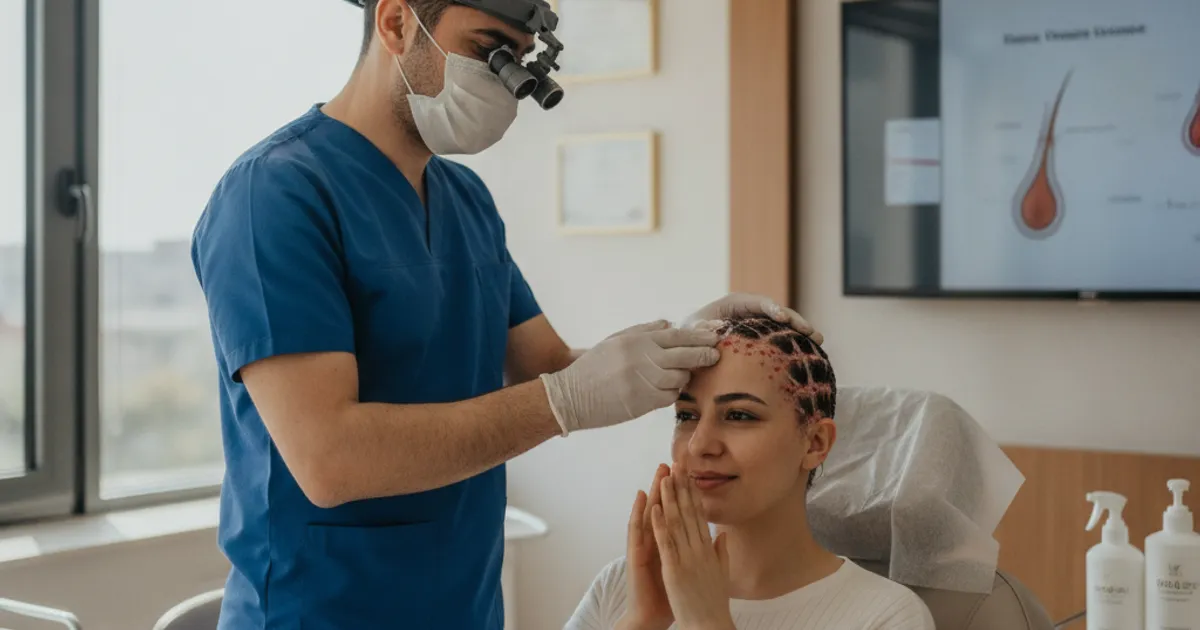
After a hair transplant, your scalp is covered in tiny wounds where the grafts were placed. These grafts are fragile for the first week or so, and how you wash your hair during that window can directly affect how well they take. Proper washing removes crusts and bacteria without dislodging the new follicles. Skip it, and you risk infection or poor growth. Go too hard, and you can pull out grafts that were just starting to settle in. The goal is simple: keep the area clean, keep it calm, and follow your clinic's specific instructions. This guide walks you through the timeline and technique so you know exactly what to do from day one through the first month.
The First 48 Hours: What Not to Do
In the first two days, your grafts are still anchoring into the scalp. The last thing you want is direct water pressure, shampoo, or any kind of rubbing on the recipient area. Many surgeons advise leaving the scalp completely alone for at least 48 hours, though some clinics may recommend a different window based on your individual healing. You might see some oozing or small crusts forming — that's normal. Resist the urge to touch or pick at them. If you need to clean around the donor area (usually the back of the head), a damp cloth gently dabbed is fine, but keep it away from the graft sites.
- Do not wash your hair with shampoo in the first 48 hours.
- Avoid direct shower spray on the graft area.
- Do not scratch, pick, or rub the scalp.
- Skip hats that press on the grafts.
- Avoid swimming, saunas, and heavy sweating.
Day-by-Day Washing Guide: From Day 3 to Week 2
Many clinics give the green light to start gentle washing around day 3, but the method matters more than the timing. You'll use a mild shampoo, lukewarm water, and your fingertips — no nails, no scrubbing. The table below gives a general timeline based on common aftercare protocols, but again, your clinic may adjust based on your healing.
| Timeframe | Washing Method | Key Precautions |
|---|---|---|
| First 48 hours | No washing of graft area | Keep dry, avoid touching |
| Day 3–5 | Cup rinse + diluted shampoo | No direct spray, no rubbing |
| Day 6–10 | Daily gentle wash | Let crusts fall off naturally |
| Day 11–14 | Slightly stronger rinse | Still no scrubbing |
| Week 2+ | Normal washing with mild shampoo | Avoid harsh products and heat |
Step-by-Step: How to Wash Your Hair Safely
Here's the exact technique many clinics recommend for the first two weeks. It takes a few minutes but protects your investment. Follow these steps in order, and don't rush.
- Step 1: Wet your hair using a cup or jug filled with lukewarm water. Pour slowly over the donor area first, then gently over the graft area. Avoid direct shower spray.
- Step 2: Dilute a small amount of mild shampoo in a cup of water. Pour the diluted mixture over your scalp, starting at the donor area and moving forward.
- Step 3: Using only your fingertips, gently press and pat the shampoo into the scalp. Do not rub, scrub, or use your nails. Let the shampoo sit for about a minute.
- Step 4: Rinse thoroughly with lukewarm water from the cup, again pouring slowly. Make sure no shampoo residue is left behind.
- Step 5: Pat dry with a clean, soft towel. Do not rub. Let your hair air-dry completely before touching it again.
Choosing the Right Shampoo and Products
Not all shampoos are created equal, especially in the first month. You want something mild, fragrance-free, and free of harsh sulfates or alcohol. Many clinics provide a post-op shampoo or recommend a gentle baby shampoo. Avoid anything with strong chemicals, exfoliants, or menthol until your scalp is fully healed.
- Mild, pH-balanced shampoo (often labeled baby or sensitive scalp).
- Fragrance-free and sulfate-free formulas.
- No alcohol or menthol.
- Avoid volumizing, clarifying, or anti-dandruff shampoos until cleared by your clinic.
- Skip conditioners on the graft area for the first two weeks.
Drying and Styling Without Damaging Grafts
How you dry and style your hair matters as much as washing. In the first two weeks, air-drying is safest. If you must use a towel, pat gently — never rub. Avoid heat tools like blow dryers, straighteners, or curling irons for at least two weeks, and keep them away from the graft area for a month. Hats and helmets should be loose-fitting and only worn after your clinic gives the okay, which is often around day 10–14 but can vary.
- Pat dry with a clean, soft towel.
- Air-dry whenever possible.
- No blow dryers, straighteners, or curling irons for at least two weeks.
- Avoid tight hats, helmets, or headbands for the first two weeks.
- Do not comb or brush the graft area for the first two weeks.
When to Resume Normal Washing and Styling
Most people can return to their regular washing routine around week 4, but it's a gradual process. Your scalp may still be sensitive, and the grafts are still settling. Styling products like gel, wax, or pomade should wait until your clinic clears them, often after the first month. Hair dye and chemical treatments need even more time — often 6–8 weeks, but check with your clinic. Listen to your body and your clinic's guidance.
Common Mistakes to Avoid
Even with good intentions, people sometimes slip up. Here are the most common mistakes that can set back your recovery.
- Washing too soon or too aggressively.
- Using hot water — it can irritate the scalp and loosen crusts prematurely.
- Picking at crusts or scabs.
- Using harsh shampoos or conditioners on the graft area.
- Rubbing with a towel instead of patting.
- Wearing tight hats or helmets too early.
- Skipping washes entirely — hygiene matters for healing.
FAQ: Post-Transplant Hair Washing
Can I wash my hair the day after a hair transplant?
No, most clinics advise waiting at least 48 hours before any washing near the graft area. Follow your clinic's specific instructions, as some may recommend waiting until day 3.
What happens if I accidentally scratch my grafts?
Occasional light contact is usually fine, but if you notice bleeding or a graft coming out, contact your clinic. Avoid picking or rubbing — let crusts fall off naturally.
When can I use my regular shampoo again?
Usually around week 4, but it depends on your healing. Start with a mild shampoo and avoid harsh chemicals until your clinic gives the go-ahead.
Is it okay to use a blow dryer after a transplant?
Wait at least two weeks, and even then, use the lowest heat setting and keep it away from the graft area. Air-drying is safest for the first month.
What to Expect: Scabs, Crusts, and the Healing Timeline
After a hair transplant, it's normal to see small scabs or crusts form around each graft site. These are part of the healing process and typically begin to loosen and flake off within 7 to 10 days. Resist the urge to pick or scratch them, as this can dislodge the graft and cause scarring or infection. During washing, gentle shampooing helps soften and remove crusts naturally. By the end of the second week, most crusts should be gone. Some redness in the recipient area may persist for several weeks, and mild swelling around the forehead and eyes can occur in the first few days. This is expected and usually subsides on its own. If you notice increasing pain, spreading redness, or pus, contact your clinic promptly.
How Washing Affects Graft Survival: The Science Behind the Care
Grafts are tiny pieces of skin containing hair follicles that are transplanted into tiny incisions in the scalp. In the first few days, they rely on a process called plasmatic imbibition—absorbing nutrients from the surrounding tissue fluid—before new blood vessels form. Any mechanical disruption, such as rough washing or direct water pressure, can prevent this. Additionally, keeping the scalp clean reduces the risk of bacterial infection, which can destroy grafts. Gentle washing also removes dried blood and debris that could harbor bacteria. While some clinics may recommend a saline spray or specific cleaning solution, the principle remains: handle the area with care, and avoid anything that causes friction or pressure.
Frequently Asked Questions About Post-Transplant Washing
Can I use dry shampoo instead of washing?
No. Dry shampoo can leave residue that clogs pores and may contain harsh ingredients. It's not a substitute for gentle washing with water and mild shampoo. Stick to the recommended washing method.
What if I accidentally bump my head or scratch in my sleep?
Occasional gentle contact is usually harmless, but if you notice bleeding or a graft dislodged, contact your clinic. Try to sleep on your back with your head elevated to avoid rubbing the graft area.
How often should I wash my hair in the first two weeks?
Most clinics recommend washing every day or every other day starting around day 3, but follow your clinic's specific instructions. Consistency helps keep the area clean and promotes healing.
Can I go to a salon for a wash?
It's best to wash your own hair at home during the early healing phase, as you can control the pressure and technique. If you must go to a salon, ensure they are experienced with post-transplant care and inform them of your surgery.
When can I swim or use a hot tub?
Avoid swimming pools, hot tubs, and natural bodies of water for at least two weeks, or until your clinic clears you, to prevent infection. Chlorine and bacteria can irritate healing grafts.
More Guides
- How Long After Finasteride Before a Hair Transplant?
Planning a hair transplant while on finasteride? Learn the typical waiting period, why timing matters, and how to coordinate with your surgeon for best results.
- Early Symptoms of Hair Loss: What to Watch For First
Learn the early symptoms of hair loss, how to track them, and when to see a specialist. Plan ahead with treatment options and costs.
- Alopecia Treatment: A Comprehensive Guide
A practical guide to alopecia treatment: types, diagnosis, medications, surgery, recovery timeline, and aftercare. Plan your hair restoration with confidence.
- Hair Loss Causes: What You Can and Can't Control
Understand hair loss causes, what's controllable, and how to plan a transplant. Practical guide to factors, aftercare, and when to see a specialist.