
Post-Transplant Folliculitis: Bumps, Causes & Treatment
Post-transplant folliculitis causes red bumps after a hair transplant. Learn causes, symptoms, treatment, and prevention for a smoother recovery.
What Is Post-Transplant Folliculitis?
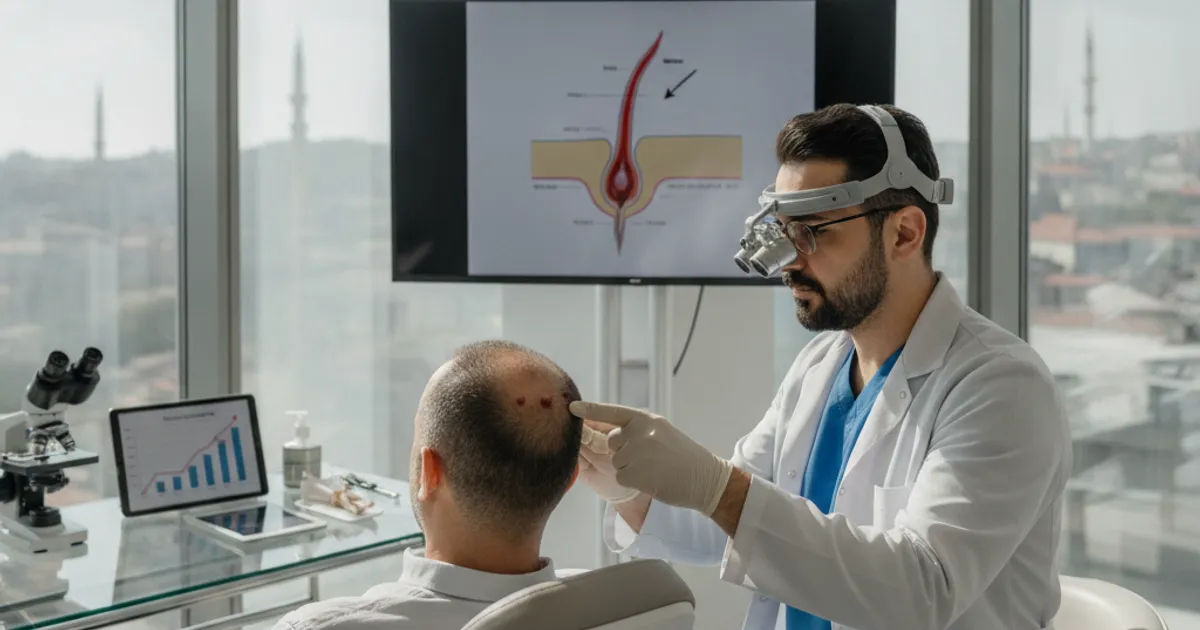
Post-transplant folliculitis is a common, usually temporary condition where the hair follicles in the recipient area become inflamed after a hair transplant. It shows up as small red bumps or pimple-like lesions around the newly implanted grafts. While it can look alarming, it's rarely serious and doesn't usually affect the final outcome if managed properly. The inflammation is your body's response to the trauma of surgery and the new hairs settling in. Most cases appear within the first few weeks to months after the procedure, and many resolve on their own with gentle care.
Causes of Folliculitis After a Hair Transplant
Several factors can trigger folliculitis in the transplanted area. Understanding them helps you and your surgeon take preventive steps.
- Surgical trauma: The incisions made to place grafts disrupt the skin barrier, making follicles vulnerable to inflammation.
- Bacterial contamination: Staphylococcus aureus and other skin bacteria can enter the tiny wounds, especially if post-op care instructions aren't followed.
- Ingrown hairs: New hairs may curl back into the skin as they start to grow, causing irritation.
- Blocked follicles: Sebum, dead skin cells, or residual ointments can clog pores around grafts.
- Reaction to topical products: Some patients react to antibiotic ointments or shampoos used after surgery.
- Tight clothing or friction: Hats, bandages, or sleeping positions that rub the recipient area can aggravate follicles.
Symptoms: Recognizing the Bumps and Other Signs
The hallmark of post-transplant folliculitis is a cluster of small, red, raised bumps in the transplanted zone. They may resemble acne or tiny pustules. Other signs can help you distinguish it from normal healing.
- Red bumps or pimples around graft sites, sometimes with a white head
- Mild itching or tenderness in the recipient area
- Slight swelling around individual follicles
- Occasional crusting or flaking near the bumps
- In more severe cases, pus-filled lesions or spreading redness
How Is Post-Transplant Folliculitis Diagnosed?
Diagnosis is usually straightforward and based on visual inspection by your hair transplant surgeon or a dermatologist. They'll examine the bumps, ask about your post-op care routine, and rule out other conditions like seborrheic dermatitis or allergic reactions. In some cases, a swab may be taken to check for bacterial infection, especially if the bumps are pus-filled or not responding to initial treatment. Your doctor will also consider your medical history and any medications you're taking.
Treatment Options for Folliculitis
Most cases of post-transplant folliculitis resolve on their own or with simple topical treatments. The approach depends on severity and whether infection is present. Here are the common treatment options:
| Treatment | How It Works | When It's Used |
|---|---|---|
| Topical antibiotics (e.g., mupirocin) | Kills bacteria on the skin surface | Mild bacterial folliculitis |
| Oral antibiotics (e.g., doxycycline) | Treats deeper or widespread infection | Moderate to severe cases |
| Warm compresses | Helps drain pustules and soothe inflammation | Mild bumps with pus |
| Medicated shampoos (ketoconazole, chlorhexidine) | Reduces bacteria and fungus on the scalp | Prevention and mild cases |
| Steroid creams (low potency) | Calms inflammation | Non-infectious inflammatory bumps |
| PRP (platelet-rich plasma) | May support healing and reduce inflammation | Adjunct therapy in some clinics |
- Avoid picking or squeezing bumps—this can worsen infection and cause scarring.
- Follow your surgeon's post-op washing instructions precisely.
- If you use minoxidil, check with your doctor—it can irritate the scalp in the early post-op period.
- Finasteride is not a treatment for folliculitis but may be part of your overall hair loss plan; discuss timing with your surgeon.
Is a Hair Transplant Suitable for You?
A hair transplant is a suitable option for many people with pattern hair loss, but post-transplant folliculitis shouldn't deter you—it's manageable. However, if you have a history of recurrent folliculitis, severe scalp conditions, or uncontrolled diabetes, you should discuss risks with your surgeon first.
- Good candidates: Those with stable hair loss, healthy donor hair, and realistic expectations.
- Proceed with caution: If you have active scalp infections, psoriasis, or a tendency toward keloid scarring.
- Not recommended: If you have uncontrolled medical conditions that impair healing or a history of severe allergic reactions to post-op medications.
Preventing Folliculitis: Post-Transplant Care Tips
Prevention is mostly about gentle care and hygiene in the first few weeks after surgery. Your clinic will give you specific instructions, but here are general guidelines.
- Wash your scalp gently as directed, using only approved shampoos.
- Avoid touching, scratching, or picking at the grafts.
- Keep hats and headwear loose and clean to reduce friction and bacteria.
- Don't apply unapproved creams, oils, or hair products to the recipient area.
- Change pillowcases frequently and sleep with your head elevated if advised.
- Stay hydrated and eat a balanced diet to support healing.
When to See a Doctor
Most folliculitis clears up within a couple of weeks, especially with proper care. But some situations warrant a call to your surgeon or dermatologist. Seek medical attention if bumps spread rapidly, become increasingly painful, form large pus-filled abscesses, or are accompanied by fever or chills. Also contact your doctor if folliculitis persists beyond a month or keeps recurring. Early treatment can prevent complications and protect your transplant results.
Frequently Asked Questions
How long does post-transplant folliculitis last?
In most cases, it resolves within 1–2 weeks with gentle care or topical treatment. More stubborn cases may take a few weeks, especially if antibiotics are needed.
Can folliculitis affect my hair transplant results?
Mild folliculitis usually doesn't harm graft survival. Severe or untreated infection could potentially damage follicles, so it's important to address symptoms early.
Is it normal to get bumps after a hair transplant?
Yes, it's quite common. Many patients experience some degree of folliculitis, especially in the first month. It's a known part of the healing process for some.
Can I use minoxidil if I have folliculitis?
Minoxidil can irritate the scalp, so it's best to pause it until the folliculitis clears. Ask your surgeon when it's safe to restart.
Does PRP help with folliculitis?
PRP is sometimes used to promote healing and reduce inflammation, but it's not a standard treatment for folliculitis. Discuss with your clinic if it's appropriate for you.
More Guides
- Hair Loss From Vitamin A Toxicity: Signs and Reversal
Learn how vitamin A toxicity causes hair loss, the signs to watch for, how it's diagnosed, and whether hair transplant is suitable. Reversal tips inside.
- Hair Loss After Menopause: Hormones, Timing, Treatment
Hair loss after menopause is common. Learn how hormones, timing, and treatments like minoxidil, PRP, and hair transplant can help you regrow hair.
- Finasteride and Erectile Dysfunction: What Research Shows
Does finasteride cause erectile dysfunction? We break down the clinical research, risk factors, diagnosis, and treatment options for finasteride-related ED.
- Hair Transplant and Lupus: What You Need to Know
Can you get a hair transplant with lupus? Learn how autoimmune conditions affect hair loss, diagnosis, treatments, and whether surgery is safe.