
Scalp Biopsy for Hair Loss: Diagnosis, Recovery, and What to Expect
Scalp biopsy for hair loss: what it is, how it's done, recovery, results, who it suits, and how it compares to other diagnostic methods.
What Is a Scalp Biopsy?
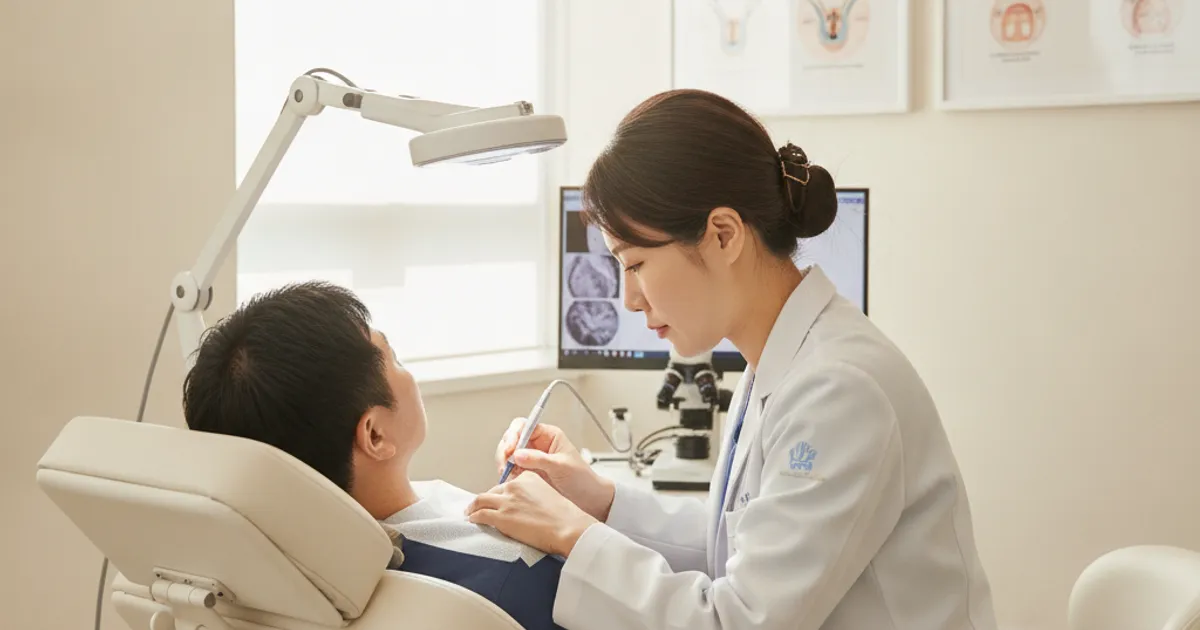
A scalp biopsy is a small procedure where a doctor removes a tiny sample of skin and hair follicles from your scalp and sends it to a lab for examination under a microscope. It's one of the few ways to get a definitive diagnosis when hair loss isn't obvious from a visual exam or blood tests. Unlike a simple pull test or trichoscopy, a biopsy gives you actual tissue evidence — you can see what's happening at the cellular level inside the follicle itself.
This matters because many types of hair loss look similar on the surface but have completely different causes. Androgenetic alopecia (pattern baldness), alopecia areata, telogen effluvium, lichen planopilaris, and frontal fibrosing alopecia can all present with thinning or shedding, but they need different treatments. A biopsy helps tell them apart when the clinical picture is unclear.
- Confirms or rules out scarring (cicatricial) alopecia, where follicles are permanently destroyed
- Distinguishes between conditions that look alike but require different treatments
- Helps identify inflammatory or autoimmune causes of hair loss
- Can reveal whether hair loss is active or has stabilized
- Useful when blood tests and visual inspection give conflicting or inconclusive results
How a Scalp Biopsy Is Performed
The procedure is quick and usually done in a dermatologist's office or a hair clinic. You'll be awake the whole time. The doctor numbs a small area of your scalp with a local anesthetic, so you shouldn't feel pain during the actual sampling — just a brief sting from the injection.
Recovery and Aftercare
Recovery from a scalp biopsy is straightforward. Most people go back to their normal routine the same day. The main things to watch for are minor bleeding, tenderness, and a small scab at the biopsy site. You'll get instructions from your doctor, but here's what's generally recommended.
- Keep the area clean and dry for the first 24–48 hours.
- Avoid washing your hair vigorously for a few days — gentle rinsing is usually fine after 48 hours.
- Don't scratch or pick at the scab; let it fall off on its own.
- Skip strenuous exercise, swimming, and saunas for about a week to reduce infection risk.
- If you have stitches, they're typically removed after 7–10 days.
- Mild pain can be managed with over-the-counter pain relief if needed.
- Contact your doctor if you notice increasing redness, swelling, pus, or fever — signs of infection.
The biopsy site itself is tiny — usually smaller than a pencil eraser. It may leave a small scar, but it's often hidden within your hair. In most cases, the area heals within one to two weeks.
What the Results Can Tell You
The lab report from a scalp biopsy gives your doctor detailed information about the number, size, and condition of your hair follicles, as well as any inflammation or scarring in the surrounding tissue. This helps narrow down the diagnosis and guide treatment. Here's a simplified look at what different findings might indicate.
| Lab Finding | Possible Diagnosis |
|---|---|
| Increased number of miniaturized follicles | Androgenetic alopecia (pattern baldness) |
| Perifollicular inflammation with lymphocytes | Alopecia areata or early scarring alopecia |
| Loss of sebaceous glands and fibrosis | Scarring (cicatricial) alopecia |
| Increased telogen (resting) follicles | Telogen effluvium |
| Fungal elements around follicles | Tinea capitis (fungal infection) |
| Normal follicle count with no inflammation | Possible systemic cause or stress-related shedding |
It's important to remember that a biopsy is just one piece of the puzzle. Your doctor will combine the results with your medical history, physical exam, blood tests, and sometimes trichoscopy to reach a final diagnosis.
Who Is a Candidate for Scalp Biopsy?
Not everyone with hair loss needs a biopsy. Many cases can be diagnosed through visual inspection, medical history, and blood work. But a biopsy is worth considering when the usual methods don't give a clear answer. You might be a candidate if:
- Your hair loss doesn't fit a typical pattern (like classic male or female pattern baldness).
- You have symptoms like itching, burning, or scaling along with hair loss.
- Blood tests and visual exams have given conflicting or inconclusive results.
- Your doctor suspects a scarring alopecia, which needs early and aggressive treatment.
- You've tried standard treatments without improvement and need a more precise diagnosis.
- You're considering a hair transplant but want to confirm the underlying cause first — especially if there's a risk of active inflammation or scarring.
A scalp biopsy is generally safe for most people. The main contraindications are active infection at the biopsy site or a bleeding disorder that can't be managed. Your doctor will review your health history before proceeding.
Scalp Biopsy vs. Other Diagnostic Methods
A scalp biopsy isn't the first tool most doctors reach for. It's usually reserved for cases where simpler, less invasive methods haven't provided a clear answer. Here's how it compares to other common diagnostic approaches.
| Method | What It Does | Invasiveness | When It's Used |
|---|---|---|---|
| Visual inspection & history | Looks at pattern, timing, and associated symptoms | None | First-line for most hair loss |
| Trichoscopy | Magnified view of scalp and follicles | None | Helps distinguish pattern loss from other types |
| Blood tests | Checks for hormonal, nutritional, or autoimmune causes | Minimal (blood draw) | Routine for diffuse shedding or suspected systemic causes |
| Hair pull test | Counts hairs that come out with gentle traction | None | Quick assessment of active shedding |
| Scalp biopsy | Provides tissue sample for microscopic analysis | Minimally invasive (local anesthetic, small incision) | When diagnosis is unclear or scarring alopecia is suspected |
In short, a biopsy is the most definitive diagnostic tool, but it's also the most invasive. It's not a replacement for other methods — it's an additional step when the standard workup doesn't give a clear answer.
Choosing a Clinic for Scalp Biopsy
Not all clinics offer scalp biopsies, and the quality of the pathology lab matters as much as the procedure itself. A biopsy is only as good as the lab that reads it. When looking for a clinic, keep these points in mind.
- Look for a dermatologist or hair restoration specialist with experience in diagnosing hair and scalp disorders.
- Ask whether the clinic uses a dedicated dermatopathologist — a pathologist who specializes in skin and hair tissue.
- Confirm whether the pathology fee is included in the quoted price or billed separately.
- Ask how long results typically take — most labs return results within 1–2 weeks.
- Check whether the clinic offers a follow-up consultation to discuss the findings and treatment plan.
- If you're considering a hair transplant, ask if the clinic requires a biopsy before surgery or offers it as part of the evaluation.
You can browse our directory to find clinics that offer scalp biopsy and other diagnostic services. Filter by location and services to narrow down your options.
Frequently Asked Questions
Is a scalp biopsy painful?
The procedure itself is not painful because a local anesthetic is used. You'll feel a brief sting when the anesthetic is injected, but after that you shouldn't feel any pain during the sampling. Afterward, the site may be tender for a day or two, similar to a minor scrape.
How long does it take to get results from a scalp biopsy?
Most pathology labs return results within 1 to 2 weeks. Some clinics may offer faster turnaround, but it depends on the lab's workload and the complexity of the analysis. Your doctor will schedule a follow-up to discuss the findings.
Will a scalp biopsy leave a scar?
It can leave a small scar, typically the size of a pencil eraser or smaller. In many cases, the scar is hidden by surrounding hair. The biopsy site is usually chosen in an area that won't be highly visible, and proper aftercare helps minimize scarring.
Does insurance cover a scalp biopsy?
Coverage varies by country and insurance plan. If the biopsy is considered medically necessary to diagnose a medical condition, it may be partially or fully covered. If it's done for cosmetic reasons or as part of a hair transplant workup, it's usually not covered. Check with your insurance provider and the clinic before scheduling.
Preparing for Your Biopsy: What to Do Beforehand
Most of the anxiety around a scalp biopsy comes from not knowing what to expect, and a little preparation makes the appointment smoother. Tell your doctor about every medication and supplement you take, because some — particularly blood thinners, anti-inflammatories, and certain vitamins — can affect bleeding or healing. Your doctor will decide whether any need to be paused, so don't stop anything on your own. If you color, relax, or chemically treat your hair, mention it, since recent treatments can sometimes affect how the tissue is read. On the day itself, wash your hair normally unless told otherwise, eat and drink as usual, and wear something you don't mind getting a little blood or ointment on. Arrange for a ride only if you feel you'll be anxious; most people drive themselves home without issue.
Questions to Ask Before and After the Procedure
The value of a biopsy depends heavily on communication — both about why it's being done and what the results mean. Going in with a short list of questions helps you get more out of the appointment and avoids surprises later.
- Which sectioning technique will you use, and why is it right for my suspected condition?
- Will you take more than one sample, and if so, from where?
- Who will read the slide, and is that person a dermatopathologist?
- How and when will I receive the results, and will there be a consultation to explain them?
- What will the results change about my treatment plan if they confirm one diagnosis versus another?
- What should I do if the report comes back inconclusive — will a repeat biopsy be needed?
- Will the biopsy site affect any future hair transplant planning in that area?
Limitations and What a Biopsy Can't Tell You
A scalp biopsy is powerful, but it isn't omniscient, and understanding its limits prevents disappointment. A sample is tiny — a few millimeters — so it reflects only the area it came from. Hair loss can be patchy or evolve over time, meaning a single sample might miss active disease or capture a quiet phase. Some conditions, especially early or mild cases, produce subtle changes that even an experienced dermatopathologist may find hard to classify with certainty. Reports sometimes describe findings as 'consistent with' or 'suggestive of' rather than definitive, and that language is intentional. The biopsy also can't measure how you'll respond to treatment, and it doesn't replace the context of your history, exam, and lab work. In some situations the most useful next step is a follow-up biopsy months later rather than a different test. Treat the result as one strong piece of evidence, not a standalone verdict.
Will the biopsy hurt?
The numbing injection causes a brief sting, and after that you shouldn't feel the sampling itself. Expect mild tenderness for a day or two afterward, manageable with ordinary pain relief.
Can I wash my hair the next day?
Gentle rinsing is usually fine after about 48 hours, but avoid vigorous scrubbing, tight hairstyles, and harsh products over the site until it has healed. Follow your clinic's specific instructions.
Will there be a visible scar?
The site is very small and often hidden within surrounding hair. A small scar is possible, but it typically fades and is rarely noticeable.
How long until I get results?
Most pathology labs return reports within one to two weeks, though this varies by lab and by whether special stains are needed.
What if the result is inconclusive?
Inconclusive reports are common in early or subtle disease. Your doctor may combine the findings with other tests, treat empirically, or recommend a repeat biopsy later.
Does a biopsy mean I need a hair transplant?
No. A biopsy is diagnostic only. It may inform whether a transplant is appropriate and when, particularly if scarring or active inflammation is present, but it doesn't commit you to surgery.
More Guides
- Hair Transplant for Men With Sensitive Skin: What to Know
Hair transplant for men with sensitive skin: techniques, recovery, results, cost factors, and how to choose a clinic that handles eczema or psoriasis.
- What Happens 10 Days After a Hair Transplant?
A clear, honest look at what happens 10 days after a hair transplant: healing, scabs, shedding, results, costs, and who it suits.
- ARTAS Hair Transplant: How It Works and Who It's For
A clear guide to ARTAS hair transplant: how the robotic system works, recovery, results, cost factors, who it suits, and how it compares to other techniques.
- Facial Hair Transplant: Procedure, Recovery & Results
A clear guide to facial hair transplant: how it works, recovery timeline, results, who suits it, cost, and how it compares to alternatives.