
Hair Transplant Recovery: Week-by-Week Guide
Hair transplant recovery explained week by week: healing timeline, when grafts take, growth phases, costs, and how it compares to alternatives.
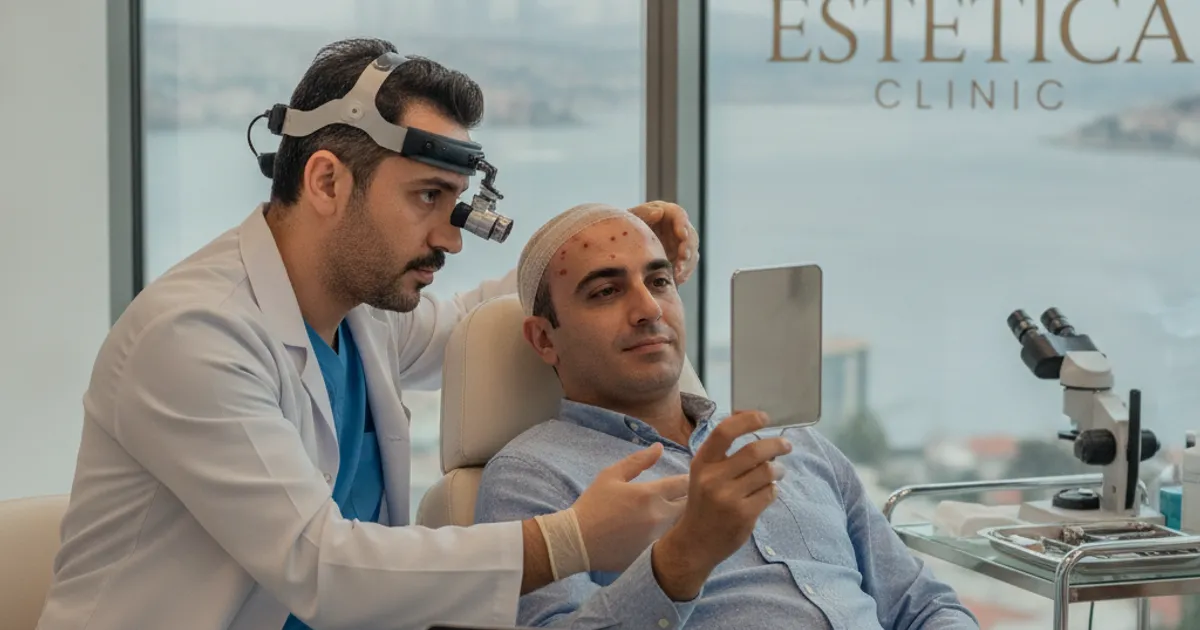
What Is Hair Transplant Recovery?
Hair transplant recovery is the stretch of time between your procedure and the point where your new hair looks and behaves like normal hair. It covers everything from the first night's sleep to the last time you notice a stray graft crust. Most people think recovery is just about the scalp healing, but it's really three overlapping processes: the donor and recipient areas closing up, the transplanted follicles settling into their new blood supply, and the natural hair growth cycle restarting. Understanding that timeline takes a lot of the anxiety out of the first few months, when shedding and patchiness are completely normal.
How a Hair Transplant Procedure Works (Brief Overview)
Almost all modern hair transplants fall into two categories: follicular unit transplantation (FUT) and follicular unit extraction (FUE). In FUT, a strip of scalp is removed from the donor area (usually the back of the head), and individual follicular units are dissected out under a microscope. In FUE, a punch tool extracts individual grafts directly from the donor area, leaving tiny circular scars instead of a linear one. Both methods then place those grafts into tiny recipient sites in the thinning or balding zones. The technique you choose affects recovery more than most people expect, because the donor wound is different in each case.
- FUT: linear donor scar, staples or sutures typically removed within the first couple of weeks, generally a longer initial healing window.
- FUE: hundreds of small punch wounds, no stitches, faster surface healing but more scattered crusting.
- Both: recipient area forms tiny scabs that usually flake off within the first two weeks.
- Both: numbness, tightness, and itching are common in the first two weeks.
- Both: shock loss of nearby native hair can happen in the first month or two.
Week-by-Week Recovery Timeline
The timeline below reflects a typical FUE or FUT recovery. Individual healing speed varies with age, skin type, technique, and how strictly you follow aftercare instructions. If your clinic gives you a different schedule, follow theirs.
| Timeframe | What's Happening | What You Can Usually Do |
|---|---|---|
| Days 1–3 | Swelling, tightness, small scabs form; donor area tender | Rest, sleep propped up, no washing unless instructed |
| Days 4–7 | Swelling subsides; first gentle wash usually allowed | Light activity, avoid sweating and sun |
| Week 2 | Scabs flake off; donor stitches or staples removed (FUT) | Return to desk work, gentle exercise |
| Weeks 3–4 | Transplanted hair sheds; shock loss may appear | Normal light activity, still avoid heavy lifting |
| Weeks 5–8 | Scalp looks mostly healed; dormant phase | Most normal activity resumes |
| Months 3–4 | New growth starts as fine, thin hairs | Nothing special needed |
| Months 6–9 | Visible thickening and density improvement | Normal styling |
| Months 12–18 | Final maturation of grafts | Assess final result |
- Days 1–3: expect swelling that can drift down the forehead. This is normal and settles.
- Days 4–7: first wash is usually a gentle, clinic-guided process. Don't scrub.
- Week 2: most people are back at work, especially if the job isn't physical.
- Weeks 3–4: shedding phase. This is the part that surprises people most.
- Months 3–4: first real signs of new growth, often described as peach fuzz.
- Months 6–9: the point where most people stop worrying about the result.
- Months 12–18: grafts mature in texture and thickness.
What Affects Recovery Time?
Two people can have the same number of grafts and heal at completely different speeds. Recovery time is influenced by a mix of surgical and personal factors, and knowing which ones apply to you helps set realistic expectations.
- Technique: FUE tends to heal faster on the surface; FUT has a linear scar that takes longer to settle.
- Graft count: larger sessions mean more recipient sites and more surface trauma.
- Skin type and age: younger, oilier skin often heals faster; older or thinner skin can be slower.
- Smoking: nicotine restricts blood flow and reliably slows healing.
- Alcohol: can thin the blood and increase swelling in the first week.
- Sun exposure: direct sun on fresh grafts is a real risk in the first month.
- Medications: blood thinners and some supplements increase bruising and bleeding.
- Aftercare compliance: following wash and sleep instructions matters more than people think.
Recovery Results: When Will You See Growth?
The gap between surgery and visible results is the hardest part of recovery for most patients. Nothing looks better in month one. In fact, it often looks worse before it looks better. The table below maps the typical growth curve so you know what to expect at each stage.
| Stage | What You See | What's Happening Under the Skin |
|---|---|---|
| Month 1 | Shedding, possible shock loss | Grafts enter dormant phase |
| Months 2–3 | Little visible change | Follicles re-establish blood supply |
| Months 3–4 | Fine new hairs appear | Early growth phase begins |
| Months 5–6 | Noticeable density improvement | Grafts thicken and darken |
| Months 7–9 | Most of the result is visible | Active growth continues |
| Months 12–18 | Final texture and density | Grafts fully mature |
Who Is a Good Candidate for Hair Transplant Recovery?
Recovery isn't just about the scalp. It's about whether you can realistically follow the aftercare rules and whether your hair loss pattern is stable enough for a transplant to make sense. Good candidates tend to share a few traits.
- Stable hair loss: your pattern has been roughly the same for a year or more.
- Good donor density: enough healthy hair at the back and sides to move.
- Realistic expectations: you understand the timeline and the limits of density.
- Good general health: no uncontrolled conditions that slow healing.
- Non-smoker or willing to stop: smoking is one of the biggest recovery blockers.
- Able to take 2–3 days off: most people need a short break from work.
- Willing to follow aftercare: washing, sleeping position, sun avoidance, and medication.
Cost of Hair Transplant Recovery Care
The procedure itself is the main cost, but recovery care adds a smaller layer: post-op medications, special shampoos, follow-up visits, and sometimes PRP sessions. Prices vary widely by country, clinic, and graft count. The figures below are averaged case pricing by stage of hair loss, presented in USD so they're comparable across locations. They are medians, not quotes, and your actual price depends on your clinic and graft needs.
How Hair Transplant Recovery Compares to Alternatives
A hair transplant is the only option that physically relocates hair. Everything else either slows loss, thickens existing hair, or hides thinning. That difference matters for recovery, because non-surgical options have no downtime at all. The trade-off is that they don't restore lost density.
| Option | Downtime | Results Timeline | Durability |
|---|---|---|---|
| Hair transplant (FUE/FUT) | 2–7 days of visible healing | 3–18 months | Long-term, but individual results vary |
| Medication (finasteride/minoxidil) | None | 3–6 months | Ongoing, stops if you stop |
| PRP injections | 1–2 days of tenderness | 2–4 months | Temporary, needs maintenance |
| Low-level laser therapy | None | 3–6 months | Ongoing use required |
| Scalp micropigmentation | 2–3 days of redness | Immediate | Fades over years, needs touch-ups |
| Hair fibers/concealers | None | Immediate | Cosmetic only, washes out |
Choosing a Clinic for Hair Transplant Recovery
Recovery is where a good clinic separates itself from a cheap one. The surgery might take a day, but the aftercare support lasts months. When you're comparing clinics, look at what happens after you leave the operating room, not just the price per graft.
- Ask who handles follow-up: the surgeon, a nurse, or a call center?
- Confirm whether post-op medication, shampoos, and follow-up visits are included.
- Check if the clinic offers remote check-ins for out-of-town patients.
- Ask how they handle complications like infection or poor growth.
- Look for a clear written aftercare protocol, not just verbal instructions.
- Verify the surgeon's credentials and whether they perform the procedure themselves.
FAQ: Hair Transplant Recovery
How long does hair transplant recovery take?
Surface healing typically takes about 7 to 14 days. Most people return to desk work within a week. Full recovery, meaning the scalp looks normal and grafts have matured, takes 12 to 18 months. The first visible growth usually appears around month 3 to 4.
Is it normal for transplanted hair to fall out?
Yes. Shedding in the weeks after surgery is expected. The graft stays in place, but the hair shaft falls out as the follicle enters a dormant phase. New growth starts a few months later.
When can I exercise after a hair transplant?
Light walking is usually fine after a few days. Strenuous exercise, heavy lifting, and anything that makes you sweat heavily should wait at least 2 weeks, and sometimes longer depending on your clinic's instructions.
Can I wear a hat after a hair transplant?
Usually after the first few days, once the clinic confirms the grafts are secure. Loose-fitting hats are safer than tight ones. Avoid anything that rubs the recipient area in the first week.
Summary: What to Expect from Hair Transplant Recovery
Hair transplant recovery is a marathon, not a sprint. The first two weeks are about surface healing and following your clinic's aftercare instructions to the letter. The next few months are about patience, as shedding and dormancy make it look like nothing is happening. Real growth typically starts around month three or four, with the most visible improvement between months six and nine. Final maturation takes 12 to 18 months. Costs vary by stage of hair loss, with early cases generally costing less than advanced cases. If you're considering a transplant, focus on choosing a clinic that provides clear aftercare support and sets realistic expectations. The recovery process is manageable, but it requires patience and discipline.
More Guides
- Hair Transplant for Men With Sensitive Skin: What to Know
Hair transplant for men with sensitive skin: techniques, recovery, results, cost factors, and how to choose a clinic that handles eczema or psoriasis.
- What Happens 10 Days After a Hair Transplant?
A clear, honest look at what happens 10 days after a hair transplant: healing, scabs, shedding, results, costs, and who it suits.
- ARTAS Hair Transplant: How It Works and Who It's For
A clear guide to ARTAS hair transplant: how the robotic system works, recovery, results, cost factors, who it suits, and how it compares to other techniques.
- Facial Hair Transplant: Procedure, Recovery & Results
A clear guide to facial hair transplant: how it works, recovery timeline, results, who suits it, cost, and how it compares to alternatives.