
Necrosis After Hair Transplant: Signs and What to Do
Learn the early signs of necrosis after a hair transplant, what causes it, step-by-step actions to take, treatment options, and how it affects your results.
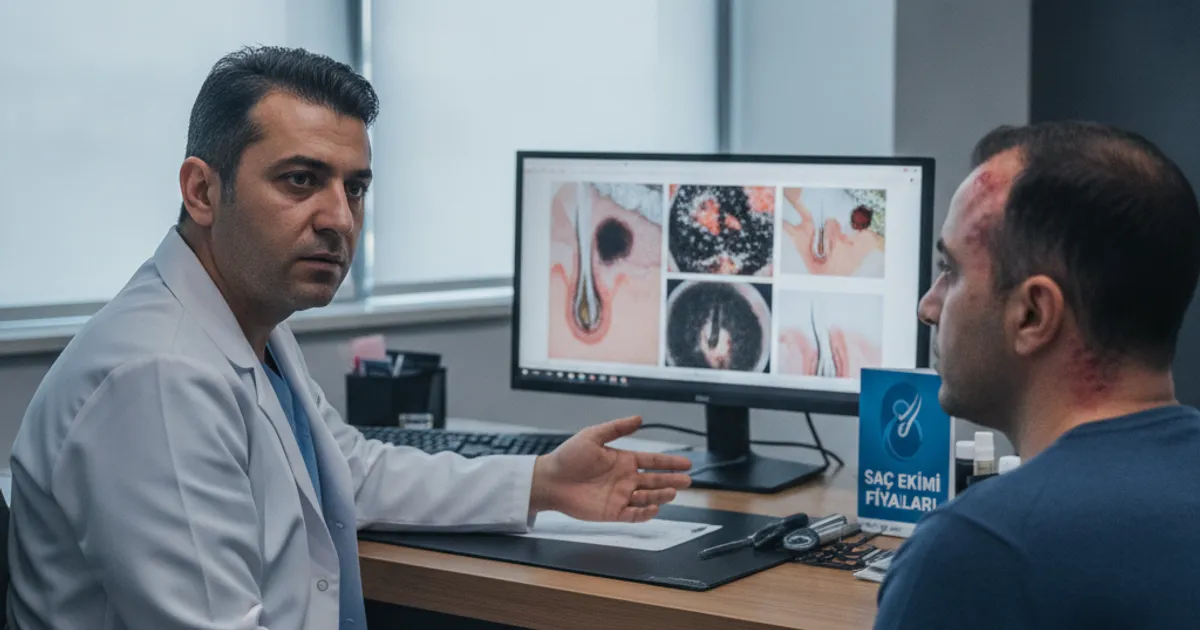
What Is Necrosis After Hair Transplant?
Necrosis after a hair transplant is the medical term for tissue death in the scalp. It happens when blood flow to a small area of the scalp is cut off or severely reduced, and the skin and underlying tissue in that spot die. This is a rare but serious complication. It can affect the grafts (the transplanted hair follicles) and the surrounding skin, and it can lead to scarring, infection, and permanent hair loss in the affected area. Necrosis is not the same as normal post-surgical redness or swelling. It is a distinct problem that needs prompt medical attention.
How Necrosis Happens: Causes and Risk Factors
Necrosis occurs when the blood supply to a patch of scalp is compromised. During a hair transplant, the surgeon makes thousands of tiny incisions and places grafts into them. The scalp has a rich blood supply, but it can be injured by several factors. The most common causes include:
- Excessive tension when closing the donor area, especially in FUT (strip) surgery, which can strangle blood vessels.
- Too dense packing of grafts in a single session, which can overwhelm the local blood supply.
- Repeated trauma to the same area, such as multiple passes with a punch or needle.
- Vasoconstrictors in the local anesthetic (like epinephrine) used in high doses, which narrow blood vessels.
- Smoking or nicotine use, which constricts blood vessels and reduces blood flow.
- Underlying health conditions such as diabetes, autoimmune diseases, or poor circulation.
- Infection at the surgical site, which can damage tissue and blood vessels.
- Hematoma (a collection of blood) or seroma (fluid) that puts pressure on the skin and vessels.
Early Signs and Symptoms to Watch For
The early signs of necrosis can be subtle at first, but they usually appear within the first week after surgery. You should monitor your scalp closely during this time. Look for:
- Skin that turns dark blue, purple, or black in a localized area.
- A wound that starts to smell bad or oozes pus.
- Increasing pain that is not relieved by prescribed painkillers.
- Fever or chills.
- Redness and swelling that spreads rather than subsides.
- A blister or ulcer that forms over a grafted area.
- Grafts that look shriveled or fall out in a patch with dead skin.
What to Do If You Suspect Necrosis: Step-by-Step
If you notice any of the signs above, act quickly. Here is a step-by-step approach:
- Step 1: Contact your surgeon or clinic immediately. Do not wait for your next scheduled appointment. Describe your symptoms and send clear photos of the affected area.
- Step 2: Follow your clinic's urgent advice. They may ask you to come in right away or refer you to a local doctor or emergency department.
- Step 3: Do not apply any creams, ointments, or home remedies without your surgeon's approval. Some products can make the situation worse.
- Step 4: Keep the area clean and dry as instructed. Avoid touching, picking, or scratching the affected skin.
- Step 5: Attend all follow-up appointments and report any new or worsening symptoms, even if they seem minor.
- Step 6: If you cannot reach your clinic, go to an urgent care center or emergency room. Tell the doctor you recently had a hair transplant and suspect necrosis.
Recovery and Treatment Options for Necrosis
Treatment depends on how severe the necrosis is and how quickly it is caught. In mild cases, the clinic may manage it with conservative care. More severe cases may need surgical debridement (removal of dead tissue) and possibly skin grafts. Common treatment approaches include:
- Antibiotics to treat or prevent infection.
- Topical ointments that promote healing and prevent infection.
- Debridement of dead tissue to allow healthy tissue to grow.
- Hyperbaric oxygen therapy in some cases, to improve blood flow and healing.
- Pain management.
- In severe cases, surgical reconstruction or skin grafting.
- Once the area has healed, a revision hair transplant may be possible after several months, depending on scarring.
How Necrosis Affects Hair Transplant Results
Necrosis can have a significant impact on your final results. The tissue that dies will not grow hair, and the scarring left behind can make future transplants more difficult. In the affected area, you may see permanent hair loss and a scar that stands out. If the necrosis is small and treated early, the damage may be limited, and a later revision procedure can often restore some density. However, severe necrosis can lead to a larger bald patch and may require multiple repair sessions.
Who Is at Higher Risk? Suitability and Precautions
Not everyone has the same risk of necrosis. Certain factors can increase your chances of developing this complication. If any of these apply to you, discuss them with your surgeon before the procedure:
- Smoking or using nicotine products (including vaping).
- Diabetes, especially if poorly controlled.
- Autoimmune conditions or connective tissue disorders.
- Poor circulation or a history of blood clots.
- Previous scalp surgery or scarring in the donor area.
- A history of keloid scarring.
- Having a very large session (many grafts) in one day.
- Choosing a clinic with less experience or poor surgical technique.
Cost Implications: Treatment and Revision
Necrosis adds cost on top of your original hair transplant. Treatment for necrosis may include antibiotics, wound care, debridement, and follow-up visits. In severe cases, hospitalization or surgery may be needed. After healing, a revision hair transplant to restore hair in the scarred area is often necessary. The cost of revision depends on the size of the area and the clinic you choose. Because prices vary widely by location and clinic, it is best to get a personalized quote. Below are average case prices for hair transplants by stage of hair loss, which can give you a baseline for planning a revision.
Necrosis vs. Other Post-Transplant Complications
Necrosis is not the only complication that can happen after a hair transplant. It helps to know how it compares to other common issues so you can react appropriately.
| Complication | Typical Signs | When to Seek Help |
|---|---|---|
| Necrosis | Black or dark dead skin, bad smell, increasing pain | Immediately |
| Infection | Redness, swelling, pus, fever | Within 24 hours |
| Folliculitis | Small red bumps around grafts | If it spreads or persists |
| Shock loss | Sudden shedding of native hair | Usually normal, mention at follow-up |
| Scarring | Raised or discolored scars | At follow-up, for treatment options |
Choosing a Clinic to Minimize Necrosis Risk
The skill and experience of your surgeon play a big role in preventing necrosis. A careful surgeon will assess your risk factors, plan a safe graft density, and use techniques that preserve blood supply. When choosing a clinic, look for:
- A surgeon who is board-certified and has extensive experience with hair transplants.
- A clinic that performs a thorough pre-operative assessment, including your medical history.
- Clear aftercare instructions and easy access to the clinic for follow-up.
- A realistic treatment plan that does not push for overly dense packing in one session.
- Good reviews and before-and-after photos that show natural results.
- Transparent pricing and no pressure to upgrade to unnecessary add-ons.
FAQ: Necrosis After Hair Transplant
How common is necrosis after a hair transplant?
Necrosis is considered rare, especially in experienced hands. The exact rate varies by clinic and patient factors, but it is not a common complication. Choosing a skilled surgeon and following aftercare instructions reduces the risk.
Can necrosis heal on its own?
Mild cases may heal with proper wound care, but medical treatment is almost always needed to prevent infection and minimize scarring. Never rely on self-care alone; always contact your surgeon.
Will hair grow back in an area affected by necrosis?
Hair does not grow through scar tissue. Once the area has healed, a revision transplant may be possible to place grafts around or into the scar, depending on its condition. Your surgeon can advise you after healing.
How can I reduce my risk of necrosis?
Stop smoking before surgery, control underlying health conditions, choose an experienced surgeon, and follow all pre- and post-operative instructions carefully. Report any unusual symptoms immediately.
More Guides
- Hair Transplant for Men With Scalp Tattoos: What to Know
Scalp tattoos and hair transplants can coexist. Learn how ink affects surgery, recovery, results, candidacy, cost, and alternatives in this plain-English guide.
- No-Shave FUE Transplant: What It Is and Who It Suits
Learn how a no-shave FUE hair transplant works, who it suits, recovery, results, and cost. A clear, factual guide to this minimally shaven technique.
- Hair Transplant Revision: When to Fix and When to Wait
A practical guide to hair transplant revision surgery: why it's needed, when to fix vs. wait, how it's performed, recovery, costs, and alternatives.
- Hair Transplant for Fine Hair: Graft Selection & Density
Fine hair changes how a hair transplant is planned. Learn about graft selection, density limits, recovery, costs, and who suits this approach.